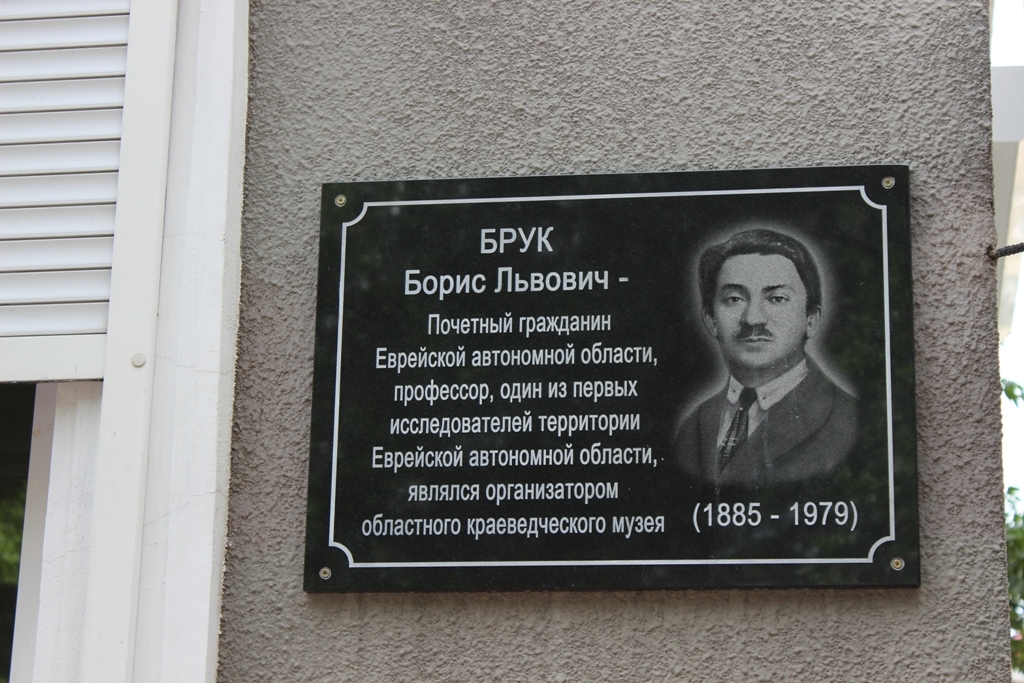
Memorial plaque to Boris Brook
Photo: EAOMedia news agency archive
June 7, 1947
The newspaper “Birobidzhan Star” (12+) on June 7, 1947, in the section “Across our region” writes that in 1946, 25 kilometers from the village of Kuldur, on the shore of the Obmani spring, a settlement arose. The spring got its name from the deceptive flow of the riverbed: it either disappears underground or comes to the surface again. Here, at the confluence of the Bolshoye and Maloye Olono rivers, an expedition of the Far Eastern Administration under the leadership of geologist Comrade Kutya is working, exploring new mineral deposits. A small village grew up on the banks of a mountain river: houses for workers, warehouses, production facilities, and an office. Fresh newspapers are delivered to the village every day, and working expeditions are connected by radio to the entire region.
Clippings from the newspaper “Birobidzhan Star”. Photo: Photo: Regional Library
Our region is home to a valuable animal – red deer. Every year the wapiti becomes an increasingly rare animal. Hunting for it is strictly limited. The newspaper reports that hunting for red deer in the Jewish Autonomous Region is permitted from June 15 to July 15. Its summer horns, antlers, filled with blood and musk, are valuable. Medicine is prepared from them. In preparation for panting, hunters are now examining salt licks – places where salt comes to the surface of the earth, frequented by wapiti.
June 7, 1968
The Secretariat of the Regional Party Committee approved the experience of the party organizations of the power transformer plant, the knitting factory and the collective farm “Zavety Ilyich” in organizing individual socialist competition among communists in honor of the 100th anniversary of the birth of V.I. Lenin and recommended that the city committee and district committees of the CPSU widely disseminate it in all party organizations.
June 7, 1988
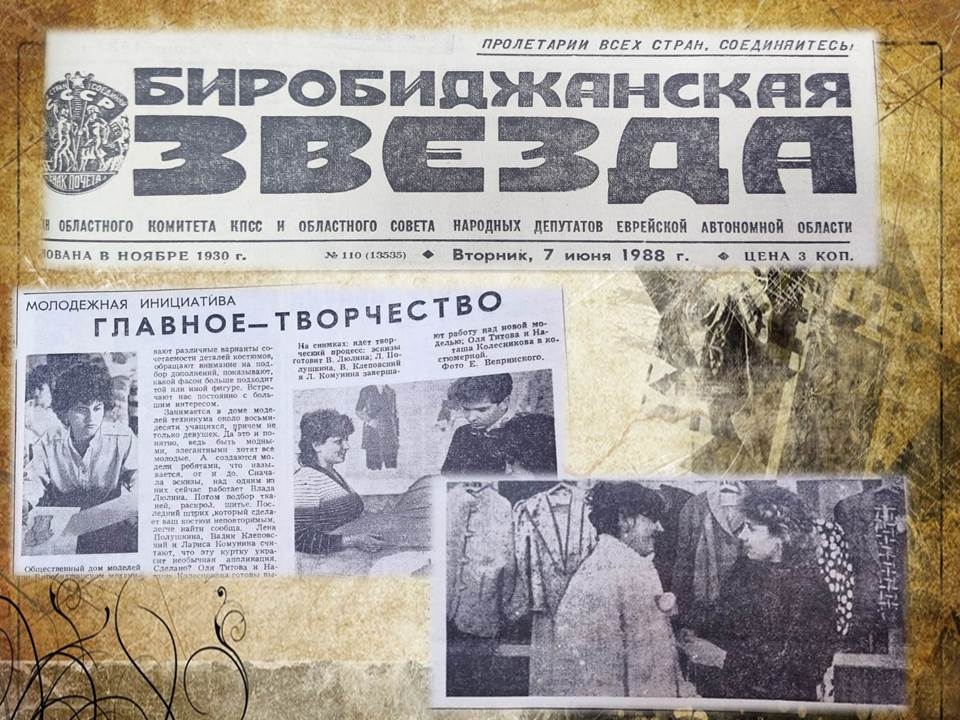
Clippings from the newspaper “Birobidzhan Star”. Photo: Photo: Regional Library
The newspaper “Birobidzhan Star” informed its readers that a public Model House has existed at the Birobidzhan Mechanical and Technological College of Light Industry for the fifth year.
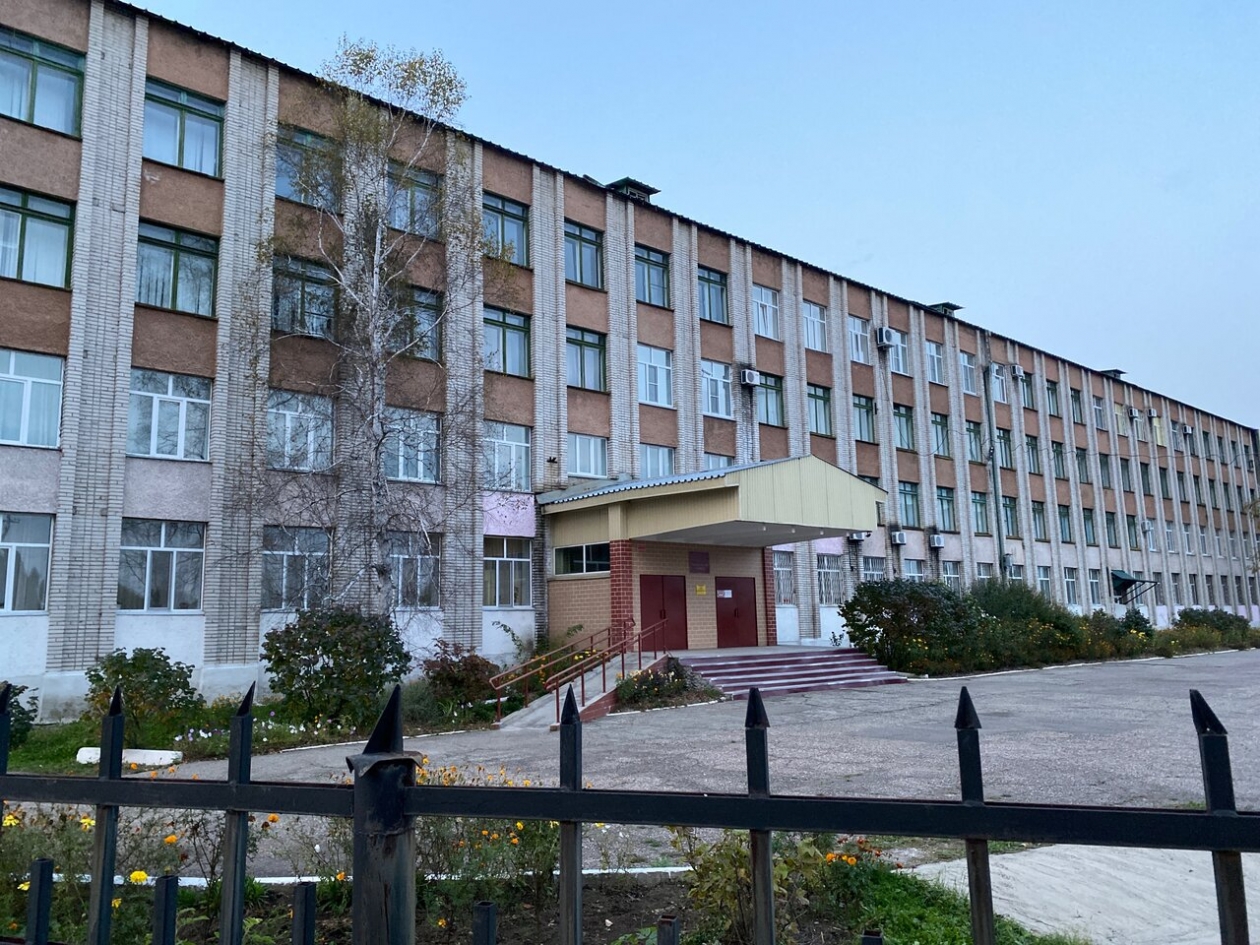
College Photo: Photo: JAO Archives
There is a mini fashion theater near the house, where technical school students demonstrate their models. The guys show various options for combining costume details, pay attention to the selection of accessories, and show which style suits a particular figure. There are about 80 students studying at the College’s Model House, and not only girls.
June 7, 2001
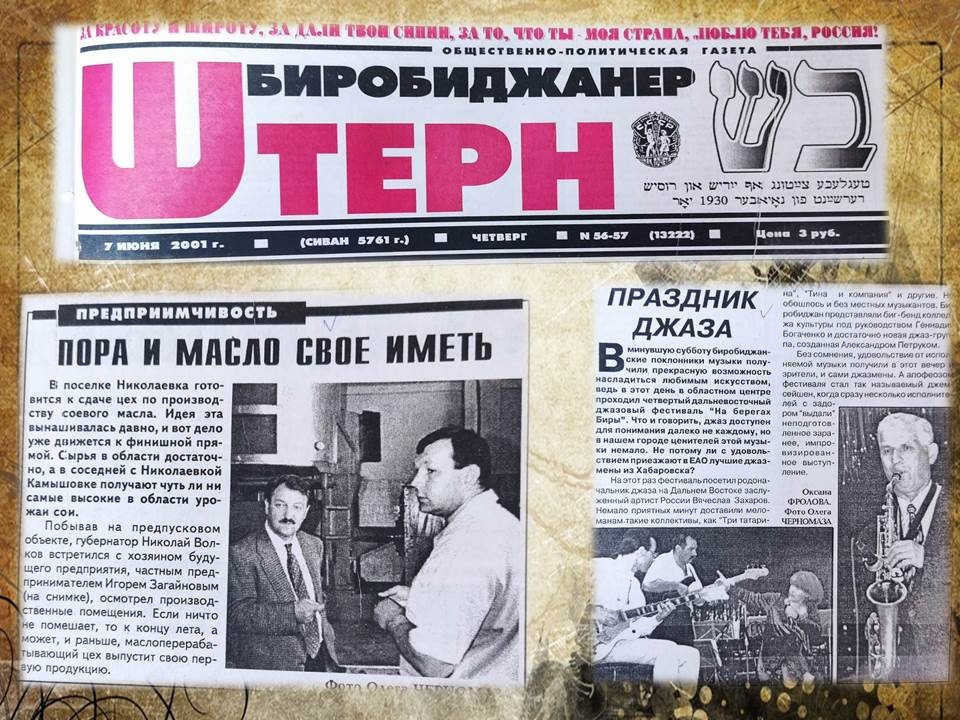
Clippings from the newspaper “Birobidzhan Star”. Photo: Photo: Regional Library
The newspaper “Birobidzhaner Stern” (12+) wrote on June 7, 2001 that a workshop for the production of soybean oil was being prepared for commissioning in the village of Nikolaevka. After visiting the enterprise, regional governor Nikolai Volkov met with private entrepreneur Igor Zagainov. By the end of summer, or maybe a little earlier, the oil processing plant will release its first products.
On the pages of the newspaper they wrote that the fourth Far Eastern jazz festival “On the Banks of Bira” (6+) was taking place in Birobidzhan. The festival was visited by the founder of jazz in the Far East, Honored Artist of Russia Vyacheslav Zakharov. The festival ended with a jam session, an unprepared improvised performance by several performers at once.
June 7, 2010
On this day, a memorial plaque to Boris Lvovich Brook was unveiled on the building of the local history museum. This event was timed to coincide with the 125th anniversary of our fellow countryman, a prominent scientist, Honorary Citizen of the Jewish Autonomous Okrug, who made an invaluable contribution to the formation and development of the region. A man of encyclopedic knowledge, Boris Brook went from an ordinary shoemaker to a professor. The scientific expedition he led cemented his opinion that it was possible to create a wonderful region and build a beautiful city in this place.
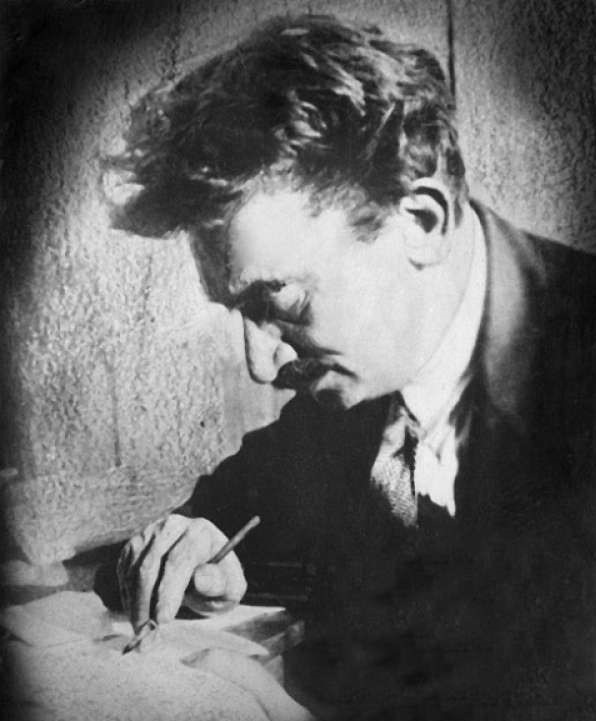
Boris Brook. Photo: Photo: Newspaper “Birobidzhan Star”
Boris Bruk, having left Moscow, where he had previously lived, arrived in the region, worked in the village of Birofeld at an experimental agricultural station, in fact, he was its founder. Later he taught mathematics at school No. 1 in the city of Birobidzhan.
The honorary right to open the memorial plaque was presented to the Chairman of the Legislative Assembly of the Jewish Autonomous Region, Anatoly Tikhomirov, and the granddaughter of Boris Bruk, Natalya Yakovleva. Natalya Ivanovna told those present about her difficult childhood, long years of study, years of persecution and exile, as well as the remarkable human qualities of her famous grandfather.