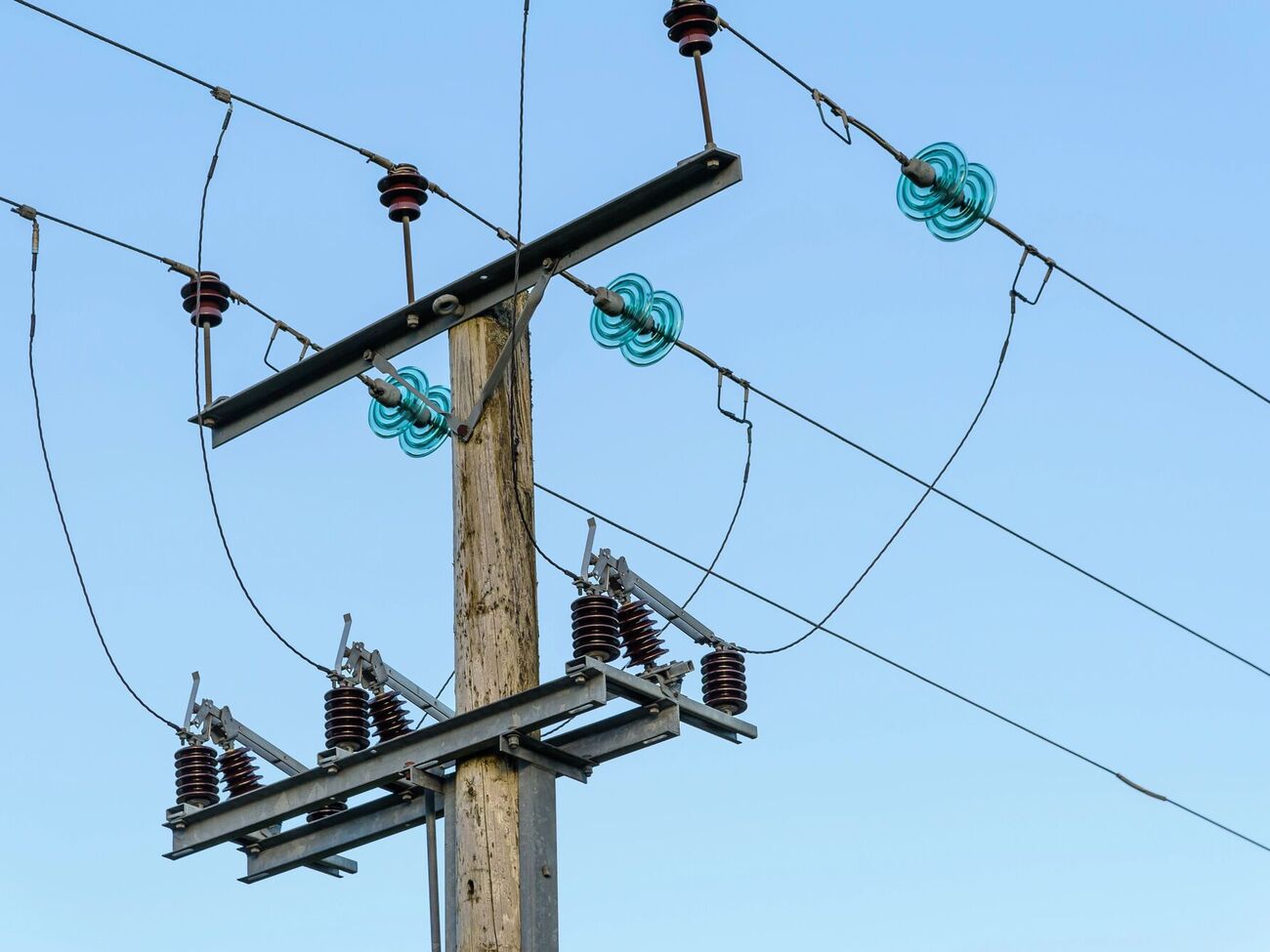
The revision of the tariff for electricity transmission by NEC Ukrenergo is a matter of financing necessary expenses now or accumulating new debts in the future. This opinion was expressed by the Vice President for Energy Issues of the Ukrainian National Committee of the International Chamber of Commerce (ICC Ukraine) Alexander Trokhimets in his Telegram channel Energy Lawyer.
According to him, the discussion around the tariff should not be reduced only to the issue of increasing it or not increasing it.
“The tariff issue, unfortunately, is not a choice between “increase” or “not increasing.” It is a choice between financing expenses today or accumulating debts that will still have to be paid in the future,” he emphasized.
Trokhimets noted that when assessing the proposed changes, it is important to analyze not only the percentage of tariff growth, but also the structure of the costs that it covers. He noted that the draft tariff even provides for a reduction in the PSO component for industrial renewable energy facilities, therefore, in his opinion, it is incorrect to link the tariff revision with the financing of large renewable energy facilities. According to the expert, about 70% of the tariff increase is associated with covering technological losses of electricity, which the transmission system operator must compensate in accordance with its functions.
“If funds for these needs are not provided for in the tariff, the problem will not go away. Ukrenergo will still be forced to ensure the operation of the transmission system. The only question is through what sources of financing this will happen,” he explained.
Trokhimets warned that underfunding such expenses could lead to a new accumulation of debt in the electricity market.
According to him, approximately another 20% of the tariff increase is associated with the fulfillment of special obligations to support households that have installed solar power plants and sell electricity at a “green” tariff. The expert noted that we are talking about the state fulfilling previously assumed obligations to citizens.
Trokhimets also recalled that the electricity transmission tariff is formed in accordance with current legislation, and the function of the National Regulatory Commission for Electricity and Energy Commission is to check the validity of the costs included in its structure.