“Nearly one and a half million people at risk of poverty.” This is how the myth of rich Switzerland collapsed. “You have to rely on Caritas”

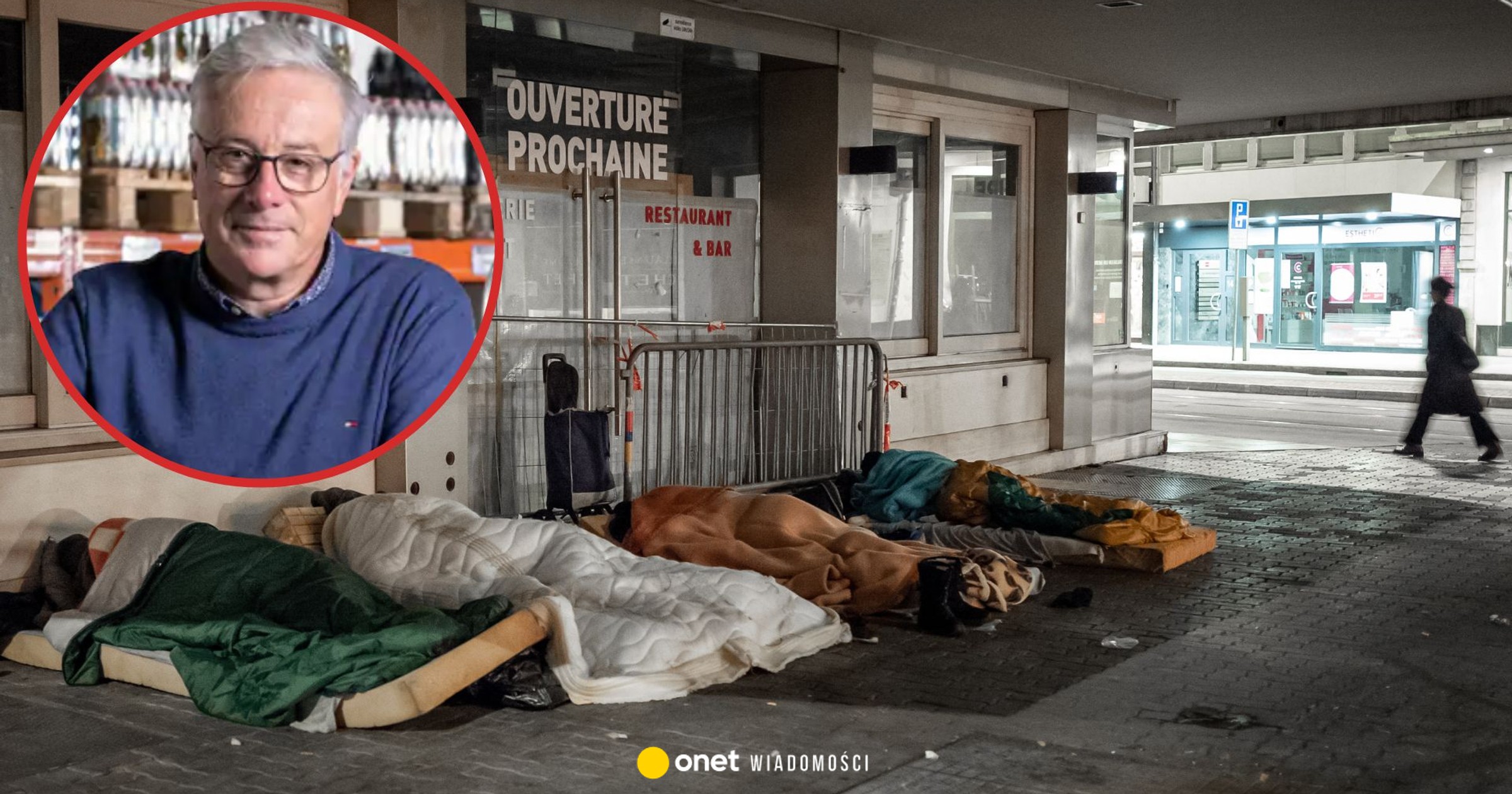
Pierre-Alain Praz: As of 2014, my observations coincide with data from the Swiss Federal Statistical Office. Statistics show that 745 thousand people – i.e. 8.7 percent population of Switzerland – lives below the poverty line (the threshold is 2,300 francs of income for a single person and 4,000 francs for a household with two children). This phenomenon intensified after 2019 – first caused by the COVID-19 pandemic, then by inflation.
These estimates do not include people considered at risk of poverty.
Yes. People at risk of poverty are those who have several hundred francs a month more than the poverty threshold – and are therefore not entitled to social benefits.
How has the COVID-19 pandemic affected poverty in Switzerland?
She drew attention to people in difficult situations. Many people at risk of poverty in Switzerland work in short-term jobs. In 2019, due to restrictions introduced during the pandemic, they received on average only 80%. your income.
Many families, after paying mandatory costs such as rent and insurance premiums, had nothing left for everyday life. Many of them turned to Caritas grocery stores for help.
Robert Hradil/Getty Images/Getty Images
Queue at a food bank in Geneva during the COVID-19 pandemic
What kind of people do you help most often?
Three groups can be distinguished. The first are those who are afraid to apply for social assistance for fear of losing their residence permit in the country. The second are undocumented migrants who are not entitled to any assistance. The third group are people living on very limited or variable income.
During the pandemic, Caritas in the canton of Vaud paid out over 3 million francs (approx. PLN 13,570,000 at the current exchange rate) to help those in need meet basic needs, such as paying rent.
Caritas in Switzerland has its hands full
What specific actions has Caritas taken?
He put a lot of effort into his grocery stores, which currently have an annual turnover of 5 million Swiss francs (approximately PLN 22,610,000). Every day, between 100 and 150 people receive food aid in the canton of Vaud.
We also offer social counseling, debt relief, housing and job search services, as well as administrative and legal support. We also provide emergency accommodation. In the canton of Vaud we are able to offer 12,000. 600 nights per year.
We also offer the CarteCulture card, which gives Vaud residents a 10% discount. for various services.
Does the increase in poverty in Switzerland lead to the development of associations such as Caritas?
We are already a large organization – the Caritas facility in the canton of Vaud alone has 600 volunteers and 140 employees, we generate a turnover of 18 million Swiss francs (PLN 84 million). Half of our income comes from public subsidies, one quarter from private donations, and the remaining one quarter from our stores and other grocery stores.
Of course, any additional help is welcome as it will help us strengthen our unsubsidized services, particularly in the areas of direct aid, meal distribution in our shelters, and assistance and counseling for undocumented migrants.
“Our globalized world is full of striking contrasts”
Shouldn't you be run by the state to better respond to the social needs of each Swiss canton?
Caritas is a private organization and wants to remain so. If we were to rely entirely on public funding, it might be more difficult. Our relations with the cantons are good, even if some bureaucratic challenges have arisen since the end of the pandemic that limit our mission.
The need to focus on administrative matters sometimes limits our ability to act and respond quickly.
What is the cooperation like between different charities?
As a rule, we try to complement each other positively. Sometimes we cooperate with over 20 associations as part of various projects. This helps us a lot to achieve our goals.
Switzerland is not the only country facing the increasingly unequal distribution of wealth.
The world is full of striking contrasts. Some people benefit from the general openness that globalization offers, others suffer from it.
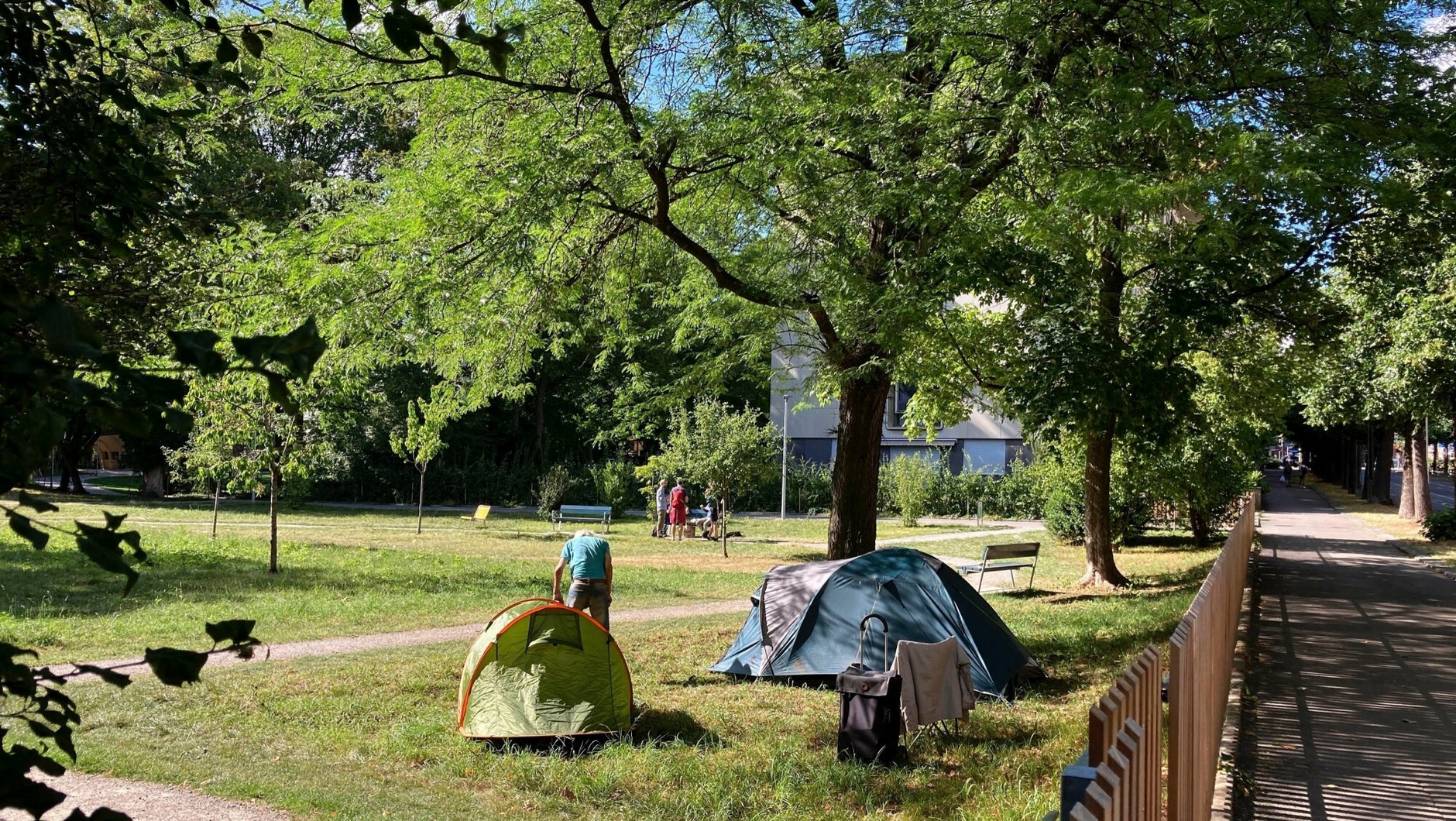
BackGrid UK/East News / East News
People in crisis of homelessness sleeping in a park in the Swiss capital Bern
I decided to help those who found themselves “on the margins”. I have no grudge against wealthy people – as long as they pay taxes and allow for minimal redistribution.
It is truly regrettable that one and a half million people in Switzerland face serious financial problems. Work should be rewarded more fairly.
Often, people who visit our grocery stores are struggling to make ends meet, even though they work and collect wages. It is a scandal that in Switzerland you have to rely on Caritas to meet your basic needs.
We need decent wages and this is a completely achievable goal. We also need a more developed family policy. It would be in the interest of our economy and the entire country to make life easier for working couples.
What gives you the greatest satisfaction in this job?
Each year we train 10 to 12 apprentices from young adults who find themselves in difficult situations. After completing the course, they become salespeople or logisticians. The most important thing, however, is that we see with our own eyes how they regain their self-confidence.
The ceremony during which they receive the Caritas diploma is always a great moment. Each of these people has their own story. A year ago we celebrated the 20th anniversary of the food distribution center in the Lausanne region. We planned a concert for 300 people with the Lausanne Chamber Orchestra. Ultimately, over 800 people showed up at the Theater de Beaulieu.
It was a wonderful moment, full of warmth between those who help and those who received help, between people from different walks of life. These moments of brotherhood and sharing are especially precious.