The “medicine” on the plate cooked in only 40 minutes and with incredible taste. Secrets of the “poor man's kitchen”

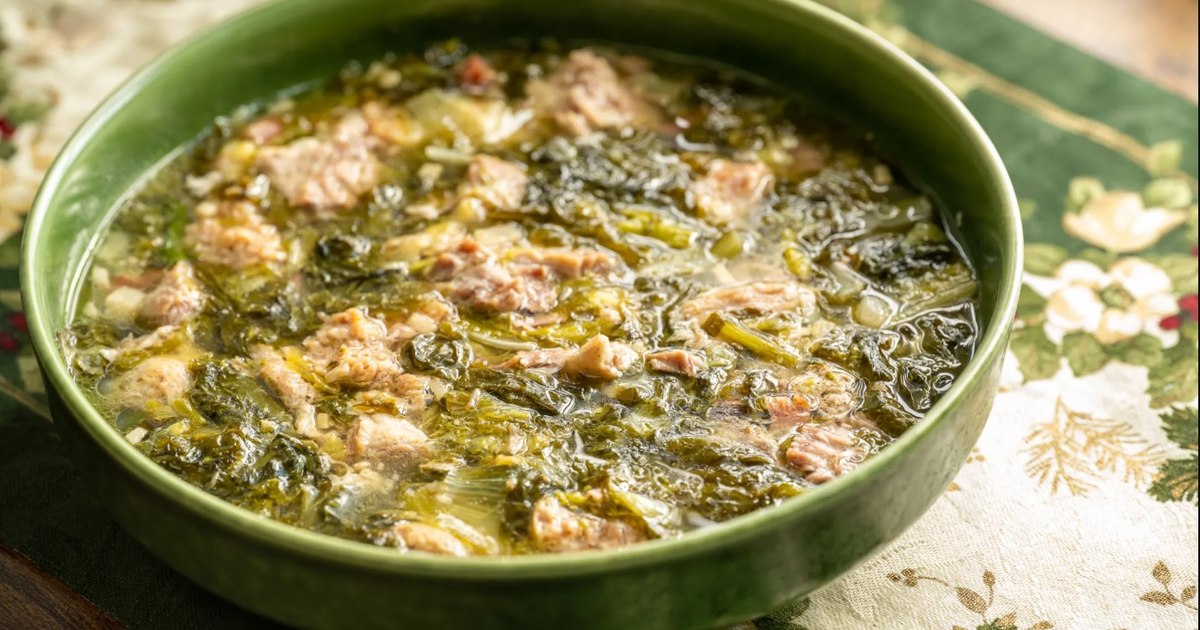
A “poor man's” food from Italy with a tradition of over two millennia, it is a real food medicine and also an elixir of youth. It contains a wealth of essential vitamins, nutrients and minerals that nourish the body. In addition, it is also extremely tasty.
Soup PHOTO Frank Fariello
When it comes to gastronomy, more elaborate, more sophisticated, more luxurious, it does not necessarily mean healthier or more filling. And this is proven by the so-called “poor man's kitchen” in all cultures. Most of the time, traditional preparations, with ingredients “fished” from nature and improvised from the necessity of material constraints, can give rise to real “elixirs” of youth and food “medicines” with healing effects. And one of the most interesting, delicious and healthy “poor man's cuisines” is Italian. It is called “cucina povera” (literally, the poor man's kitchen).
It consists of simple, very tasty, but above all healthy dishes. Bearing in mind that the Mediterranean area is recognized for the longevity of the locals, experts say that food also plays an essential role, especially this “cucina povera”. And one of the queens of the “poor man's kitchen” in Italy is the famous soup called “minestra”. Besides, it is a full-fledged pleonasm to join the two words “minestra” and “soup”, and that's because, in Italian, “minestra” literally means “soup”. It is a preparation with an extraordinary age and some incredible properties for health, but also for maintaining vitality, including at an advanced age. It is, in effect, the soup of Italian “grandmothers” throughout history.
Born from the poverty of the Roman plebeians
“Minestra”, as I mentioned, means “soup” in Italian. Although it seems medieval, it has an extremely long history. More precisely, it was also cooked more than 2000 years ago. It was the staple food of the Roman plebeian, that is, of the common man. The word “minestra” comes from the Latin word “ministrare”, which means “to serve”, “to administer”. Basically, it comes from a tradition of plebeian families, by which this food was served from a large, capacious vessel, probably similar to today's suppers, by the mistress of the house, to all those seated at the table. For ordinary Romanians, this soup was the main dish. Although called a soup, soup looks more like a very thick soup, filled with vegetables and pasta. It is extremely filling.
There was no single recipe during the Roman Republic and Empire. It was, rather, based on the principle “as many brothels, as many customs”. In any case, the basic principle of the soup was: whatever we can find in the garden and surroundings goes into the soup. Often it was strictly vegetable and based on lentils, onions, cabbage, beans. It was the so-called “poor man's kitchen”.
In times of hardship and deprivation, soup became an essential dish for survival. Families filled their meals with whatever they had on hand. They often added stale bread, wild herbs, field greens, and sometimes less valuable cuts of pork or beef. In any case, made by an experienced housewife with a passion for cooking, such leftover soup became a delicacy that even the wealthiest people of the empire coveted.
Minestra accompanied the populations of the Italian Peninsula from Antiquity to the Middle Ages and even in the contemporary world. In the 15th and 16th centuries, the soup was considerably enriched and became even more delicious thanks to geographical discoveries. The introduction of vegetables brought from the “New World”, i.e. tomatoes, potatoes and beans, completely revolutionized the repertoire of soup recipes, adding more flavor and nutritional value to these rustic dishes. In addition, the soup became a vitamin and nutrient bomb that not only kept you healthy, but also added years to your life.
There is almost no Italian who does not fondly remember the soup cooked by his grandmother or mother as a child. “My parents called it 'poor man's food', but I just called it delicious. My mother used to fry thick slices of spicy salami before adding the garlic and escarole, while my father's family preferred to add very small meatballs.”stated the Italian dietician Tina Marinaccio on her personal website tinamarinaccio.com.
The diet that prolongs the life of women. What the researchers discovered
How to prepare the miraculous soup
Actually, soup is a very versatile soup and you don't have to worry about not finding the necessary ingredients. You have the chance to find them in any shops, from traditional markets to any supermarket or neighborhood store.
First, you need a lot of greens. Italians use escarole, meaning endive. If you can't find them, no problem, you can use beet leaves (chard type) or spinach (the most affordable). Then use around 500 grams of beans. If you don't have fresh or don't want to bother with pre-boiling them, use a tin of beans, rinsed and drained (ideally cannellini beans – found in all supermarkets).
You also need one yellow onion, chopped not very finely, four cloves of minced garlic, two diced carrots, olive oil, a little hot pepper (optional, if you can't stand spicy food), salt and pepper. In addition, you need either a concentrated chicken stock (it's quick to make from a chicken plate and you can use it in other dishes) or a few cubes of concentrated stock. You can also buy celery (now it is quite easy to find in Romania).
Here's how it's prepared: the vegetables are first roasted. Heat the olive oil in a large soup pot over medium heat. Add diced onions, carrots and celery and simmer for about 5 minutes, until softened. Attention, they must not be burned, because they spoil the taste of the food. Then add the garlic and, optionally, the hot pepper and cook for another minute, until they become aromatic.
Then add the chopped greens to the pot (spinach, endive or beetroot, but also a stalk of celery). At first they may seem like too much, but they will reduce their volume considerably. Cover the pot and let them cook for 3-5 minutes, stirring occasionally.
Finally, we pour the vegetable or chicken soup (or the concentrated cubes, although the first option is much healthier) and add the rinsed beans. Season with salt and pepper. We bring the soup to the boiling point, then reduce the heat to a minimum. Cover and let it simmer slowly for 15-20 minutes, for the flavors to combine. Actually, the entire culinary process should take a maximum of 40 minutes.
The result is an extremely healthy treat with an explosion of flavors, nutrients, vitamins, fiber and essential minerals. The soup is served in bowls and we sprinkle grated Parmesan on top. It is eaten with rustic bread with a crispy crust.
The Italian secret: how to eat pasta every day without gaining weight. Advice from a surgeon with 20 years of experience
“married” soup
Minestra has given rise to numerous zonal, regional and local variations, including meat dishes, if you don't just want the vegetarian version. One of these variants is “Minestra maritata”. This literally means “married soup”, being a dish in which several types of meat are “augmented” with a variety of leafy greens.
The meats are a mixture of smoked and fresh pork with smoked Italian salami. But it can also include chicken or beef. This dish once practically defined Neapolitan cuisine and is still popular today, especially during festive periods such as Christmas and Easter.
Actually, it is cooked like the previous version, except that first the meats are roasted and then boiled. Remove, make vegetable soup and add later.
There is another variant called minestrone. Minestrone is made from seasonal vegetables, to which pasta or rice is often added. Its name literally means “big soup” or “thick soup” and the recipe is extremely versatile, adapting according to the available ingredients and the time of year.