The Chinese believe that we are entering a long-term phase of counter-globalization. For a country that has relied on export-led growth to lift itself out of poverty, this prospect may seem problematic. But I don't lose sleep over this, I'll tell China's leaders. In their view, the post-Cold War order was intended to create a single global market and promote democracy and human rights through common rules and institutions.
However, instead of a single market, we have a world divided into three regional economic blocs: North America, led by the United States (including Mexico and Central America); an emerging European zone that is still struggling to define its identity; and the vast Chinese zone, which includes members of the Association of Southeast Asian Nations, many parts of South America, countries in Africa, and the rest of the global South.
Now China wants to follow suit. And interestingly, Trump is supposed to be a means to an end. Beijing knows that the window to get things done won't last forever, so that's why it's accelerating. But this ultra-fast Xi train could quickly derail.
Instead of democracy and human rights, the Chinese predict the further spread of autocracy and illiberal democracy. Globalization was supposed to mean that individual rights would take precedence over sovereignty and liberal democracy over autocracy.
However, as my Chinese interlocutors point out, sovereignty consistently wins over human rights. Since even the United States exhibits authoritarian traits, would-be authoritarian leaders around the world have much less to worry about.
Finally, my interlocutors believe that economic fragmentation and the turn towards authoritarianism will facilitate a return to politics driven by the personal ambitions and charisma of those in powernot the institutions and rules created after World War II.
Geopolitical outcomes depend less and less on structural factors such as geography, power dynamics and resources and more on interactions and calculations among leaders. Personal interests will continue to replace national interests. There will be agreements, not treaties, ego, not ideology.
The article continues below the video
As a result, today's international relations will be more personalized and unpredictable than at any time since before World War I. Back then, the fate of the world depended on the whims of Tsar Nicholas II, Emperor Wilhelm II and the Habsburg Emperor Franz Joseph. Today, Trump, Xi, Indian Prime Minister Narendra Modi, Saudi Prince Mohammed bin Salman, Turkish President Recep Tayyip Erdogan and other similar figures have decisive influence.
Beijing sees its chance in Trump
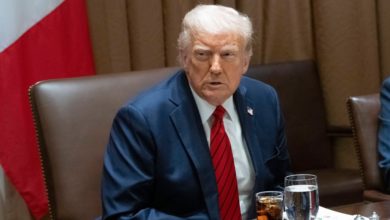
The Chinese credit Trump with accelerating the development of this world. His “America First” project, as they see it, combines two goals.
The first is the establishment of regional security orders in which the United States effectively outsources the dirty work of containing great powers. This way, the Europeans will take over the burden of containing Russia, the Japanese and Australians will do more to contain China, and Israel and the Gulf states will take care of Iran.
Trump will then be able to focus on his second goal: forging friendly relationships and making deals with other great leaders — whether Putin in Anchorage, Xi in Busan, or even someday Iranian leaders.
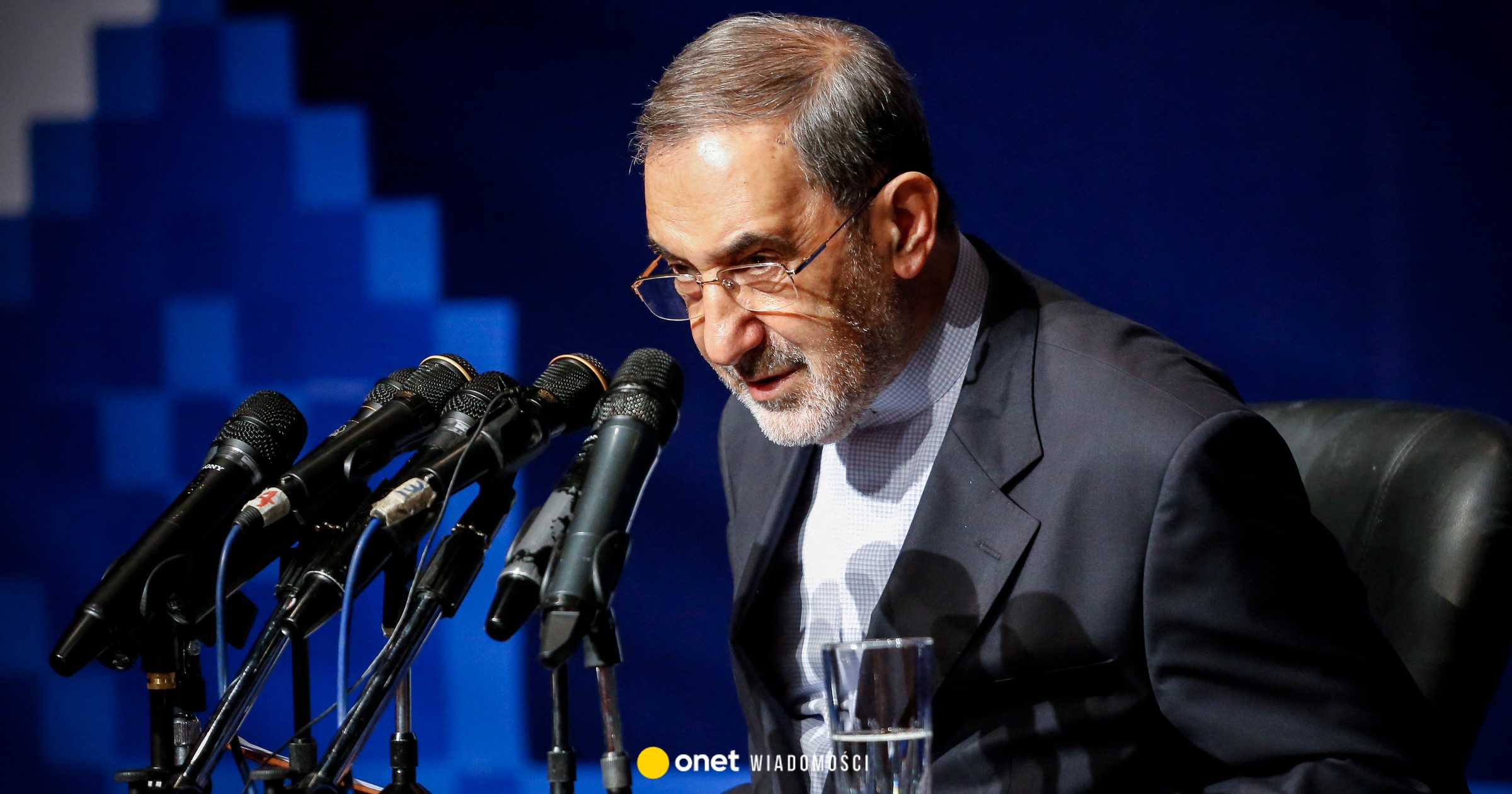
The Chinese would, of course, welcome such a solution, as they have long been preparing for a world of chaos. Some even see a once-in-a-lifetime opportunity to strike a deal with Trump on Taiwan, potentially ending the island's de facto independence in exchange for a vague promise to “freeze” the current regional security order everywhere else.
China's Achilles heel
But a world divided into spheres of influence also carries risks, from fierce technological competition to varying uses of long-range jurisdictions and secondary sanctions. This is why China is examining America's vulnerabilities and identifying bottlenecks it can exploit (let's call them bargaining chips).. The control over the export of rare earth metals clearly surprised the Americans and forced them to start talks, which allowed Xi to conclude a favorable agreement with Trump.
However, despite the self-confidence that China presents externally, my interlocutors pointed to the sources of internal weakness and fragility. Economic growth is steadily declining, consumer confidence is weak, and massive local government debt remains a serious problem. A striking theme in many of my conversations was the decline of optimism.
Another was the concept of “involution”: exhaustive competition between Chinese companies that caused prices to fall so much that it led to deflation. This leads to hyperconsumerism [pojazdy elektryczne tracą połowę swojej wartości w ciągu kilku miesięcy], hypercompetition among students and the feeling among most employees that they are “running in place”. People from all social classes feel trapped and anxious. Young people in particular no longer believe that they will have a better situation than their parents.
The real challenge for China may not be the yet undefined shape of the new world order, but how Xi will deal with the paradox of external dynamics and internal fragility.
I’m Ashley Davis as an editor, I’m committed to upholding the highest standards of integrity and accuracy in every piece we publish. My work is driven by curiosity, a passion for truth, and a belief that journalism plays a crucial role in shaping public discourse. I strive to tell stories that not only inform but also inspire action and conversation.