This is how Europe unwittingly fuels Putin's illegal empire. We reveal

These connections reveal problem facing Brussels.
In turn, EU governments are preparing the 21st package of sanctions aimed at companies helping Moscow transport oil and finance the war in Ukraine. Infrastructure that the EU wants to shut down – including insurers, banks and maritime service providers – can continue to operate in European financial markets.
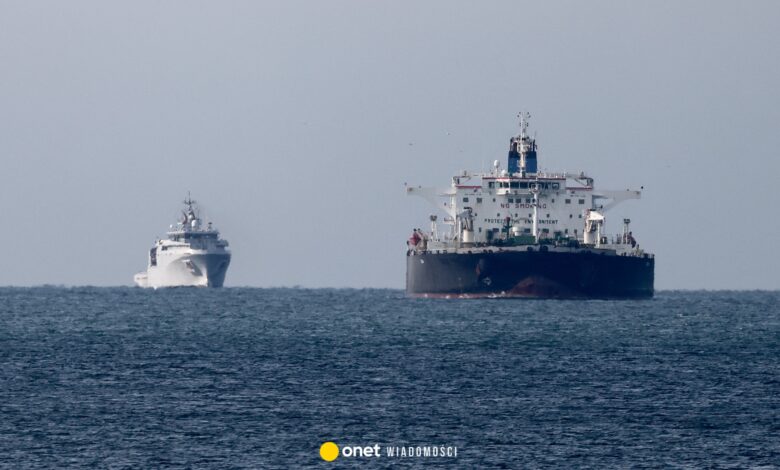
Russia continues to export oil through a network of aging tankers, opaque ownership structures and alternative service providers — despite successive rounds of sanctions targeting its fleet. While most Western insurers withdrew from Russia following Moscow's invasion of Ukraine in February 2022, shadow fleet ships continue to obtain insurance coverage through Russian insurers, front companies and alternatives outside traditional insurance markets.
“When you look at how Russia has developed alternative marine insurance solutions for its shadow fleet and the lengths to which it has gone to keep oil flowing through its logistics chain, it's truly amazing,” says Michelle Wiese Bockmann, senior maritime intelligence analyst at Windward.
This goes completely beyond the general principles of a rules-based order and maritime trade.
European priority
Russia may not have the financial capacity to cover the risks associated with the massive fleet on which it currently depends, according to an analyst with Deft9 Solutions, an intelligence firm that tracks shadow fleet activity. — There are 1,700 ships that sail back and forth, and each time they need insurance, explains the expert. Russians “don't have a lot of money these days.”
Liability risk runs into the billions of dollars, and some of that risk likely flows back into European financial markets through reinsurance contracts, secondary insurance structures and other financial products, said the analyst, who asked not to be named due to the sensitive nature of his work.
Combating sanctions circumvention is a priority, emphasizes the European Commission spokesman, who also asked to remain anonymous. However, it is also “an ongoing process in which they emerge new challenges, increasingly complex schemes and malicious players“.
Insurance is one of the least visible but most important parts of the shadow fleet business model. Ships typically require liability and indemnity insurance to operate and access ports. It is typically illegal to insure a shadow fleet ship if the shipment violates sanctions, including by transporting oil above the G7 price limit or involving sanctioned ships.
However, determining the source of insurance and financing is difficult because ownership structure, management and financial arrangements are often deliberately obscured. Analysts interviewed by POLITICO declined to name the European banks that likely insure the Russian ships because of this complexity and the legal risks associated with naming them.
Architecture for bypassing sanctions
EU leaders are due to discuss the latest sanctions package at a summit in Brussels on June 18, and diplomats hope to reach an agreement later this month.
“Challenging the business model of Russia's shadow fleet requires a whole-of-path approach and coordination among member states and partners,” according to the draft summit declaration seen by POLITICO.
Officials working on these measures “are really digging into the systems, installations and technical architecture that support ships engaged in evasion and evasion,” says Wiese Bockmann.
Russia has relied on what Bockmann calls “regulatory arbitrage” in its search jurisdictions with weaker supervision, permissive flag registries and compliant insurersto minimize scrutiny while continuing to transport oil through international waters.
Some governments remain wary of the most aggressive measures. A proposal to ban certain maritime services for Russian ships, which was to be included in the 21st package, appears to have been sidelined, according to one EU diplomat involved in the discussions, who asked not to be named.
Russia's oil revenues
Supporters of tightening sanctions argue that targeting these mechanisms is necessary because oil exports remain the Kremlin's most important source of income during the war.
“If we can better deter sanctions circumvention and block the additional revenues Russia can gain from current higher oil prices, we can further weaken its capabilities on the battlefield,” Niinisto adds.
The Kremlin is able to continue the war in Ukraine “because unfortunately it still draws income from oil, which is the main source of Russia's war fund,” says Ukrainian parliamentarian Oleksiy Goncharenko. “The tool is the shadow fleet,” he adds.
Analysts and Ukrainian officials also warn that the fleet is at risk growing threat to the environmentas many ships are old, poorly maintained and operate under opaque insurance contracts.
Russian tankers will continue to operate until governments target the financial structures that support them, argues a Deft9 analyst.
— The day after the massive oil spill from the shadow fleet ship, countries will start demanding much higher guarantees, says the expert. — But until then, unless sanctions are imposed on those who finance it, the situation will continue.