This change would allow countries to send people ordered to leave the EU to “transition centers” outside the bloc.
This text is part of wide-ranging reforms introduced by the EU to increase control over people crossing its external borders and to support countries receiving the most migrants from third countries. Monday's agreement was reached just days before other migration and asylum reforms come into force on June 12.
“Transition centers” are controversial
Monday's agreement will help the EU regain control over “who comes to the European Union, but also who has to leave the European Union,” said Migration Commissioner Magnus Brunner.
He pointed to the percentage of people who are refused asylum and leave the EU, which, according to the latest Eurostat data, is around 27%. “We need to give people back the feeling that we have control over what is happening,” he said.
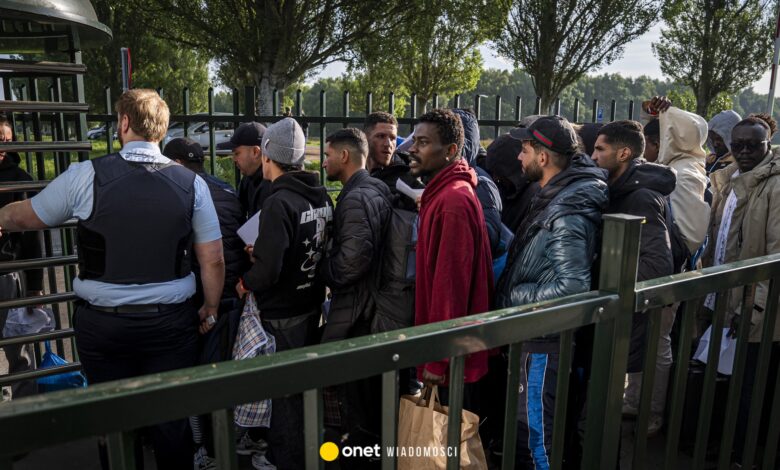
According to the agreement, countries will be able to send people who have been ordered to leave the EU to the so-called transit centers outside the EU – an option that several EU countries are already considering, but which civil society organizations say could open the door to abuses and violations of human rights.
The document also introduces stricter regulations on dealing with people considered a threat to security; provides for the possibility of searching houses; long detentions; entry bans; and penalties for people who do not cooperate.
“For years, Europe has sent the worst possible signal: even if someone did not have the right to reside, there was a high probability that nothing would happen. This era is coming to an end. If you do not have the right to reside in Europe, you will have to leave,” said French MEP François-Xavier Bellamy, who represented the center-right European People's Party in the negotiations, in a comment.
Parliament entered the negotiations with a position supported by the EPP, the right-wing group European Conservatives and Reformists and the far-right group Patriots and Europe of Sovereign Nations, despite opposition from MEPs from liberal and left-wing groups.
The failure of previous talks
“Monday's agreement introduces a 'legal arsenal for xenophobic ideology,'” said Green Party negotiator Melissa Camara in a comment. The French MEP criticized the text for allowing the creation of centers outside the European Union, the detention of minors and “home visits inspired by ICE practices”, referring to the controversial US immigration and customs agency.
Talks collapsed last month over disagreements over the timing of new measures. Under Monday's agreement, some provisions will take effect after a year, but some provisions, including those allowing countries to set up deportation centers, will take effect immediately – a key issue for countries that are working hard on agreements on the issue, including the Netherlands and Germany.
Marta Welander, director of EU representation at the International Refugee Committee, said the plans represented a “disturbing new chapter in the EU's approach to asylum and migration.”
“This agreement will give governments much broader powers to detain and deport people. It looks set to normalize immigration raids, expand the use of detention in prison-like facilities outside the EU that are effectively legal black holes, and increase the risk of people being deported to countries where they may face persecution, torture or worse,” she said.
Both the Council and Parliament still need to approve the agreement.