
Ukraine's new combat strategy targets a sensitive point in the Russian military. “For now there is no solution”

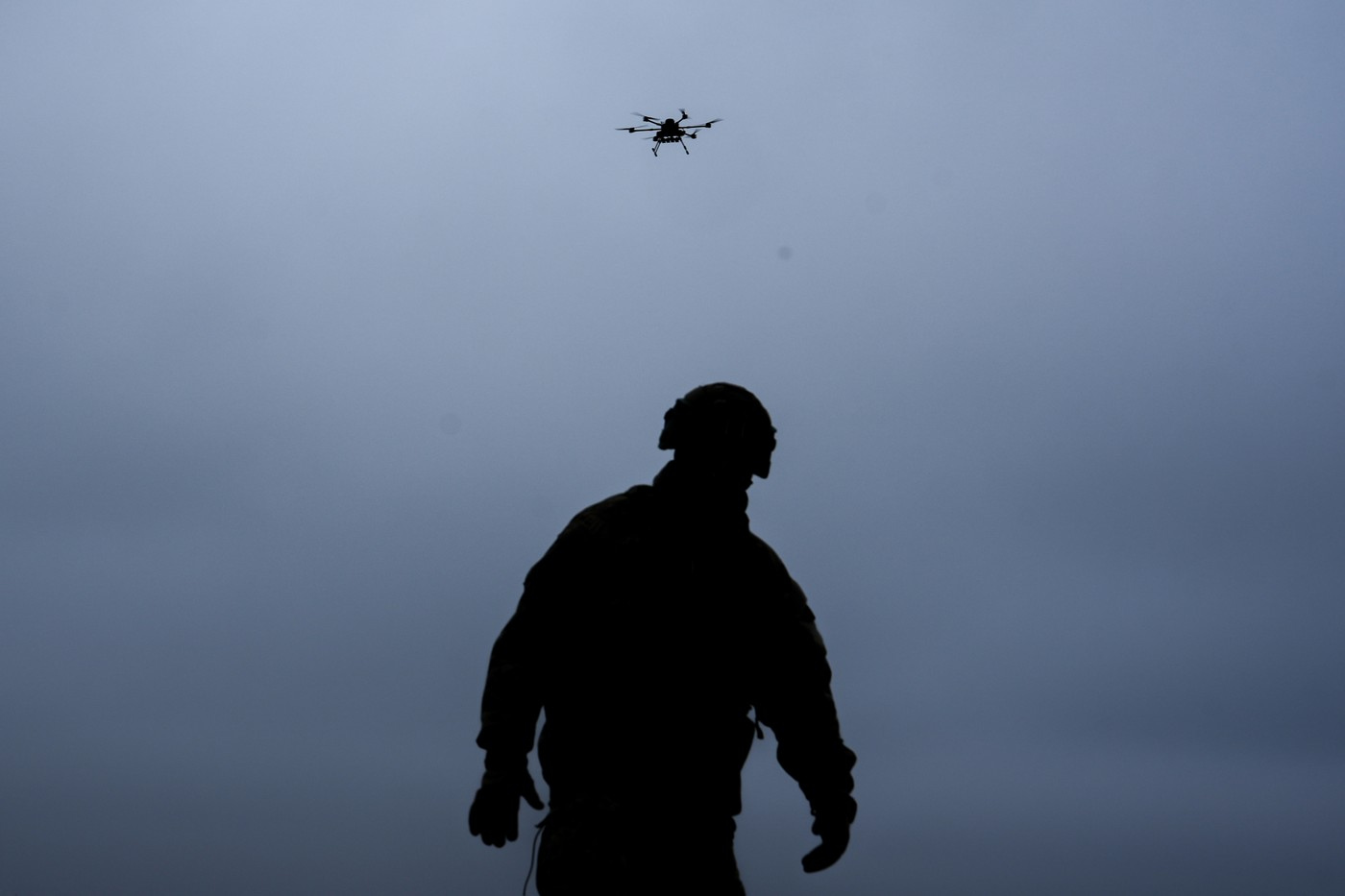
After using medium-range drones for more than a year to strike ammunition depots, command centers and air defense systems, Ukraine is now turning its attention to a new target: Russian military logistics. According to an analysis published by the Kyiv Independent, this strategy can create serious problems for Moscow, as even Russian military analysts admit.
Ukraine uses medium-range drones to strike targets 25-200 kilometers from the front line, and the latest attacks target supply trucks, tankers and other vehicles used to transport fuel, ammunition and equipment needed by frontline troops.
“It just sets everything on fire. How can we deal with this situation? There is no solution for now,” writes the Russian military blog Victory Volunteers.
Ukraine's expanding drone campaign against Russia
Many of the attacks were carried out by the Azov Corps with the help of “Hornet” drones, produced by the company Eric Schmidt Perennial Autonomy. With a cost of around $5,000, an explosive charge of 5 kilograms and a range of up to 200 kilometers, the Hornet has semi-autonomous targeting capabilities and can be mass-produced.
This diminutive drone has become an important component of Ukraine's increasingly effective arsenal of medium-range attack drones, increasingly used to hunt down Russian logistics vehicles far behind the front lines.
The initial success of the campaign was due in part to a modification of the Hornet drones by the Ukrainians.
“It was Azov's initiative to add the Starlink satellite communications system to the Hornet,” Rob Lee, a senior fellow at the Foreign Policy Research Institute and an expert on the Russian military, told the Kyiv Independent. According to him, the modification significantly increased the drone's range and its resistance to Russian electronic jamming.
An important point is that Perennial Autonomy has accepted the modifications made by Azov to increase the combat effectiveness of the drone.
“I support any way to improve the product,” Lee said.
Azov began publicizing its efforts to cripple Russian logistics in mid-April with a video of Hornet drones striking Russian targets and flying over known landmarks, including the Donbas arena in the occupied city of Donetsk.
How the drones used by Ukraine were adapted
On the back of Azov's reported successes, Ukraine's Minister of Digital Transformation, Mykhailo Fedorov, recently announced a new campaign to strengthen Ukraine's capabilities in this area.
“We are launching a separate program called the 'Logistical Blockade' to expand strikes to operational depth and systematically destroy Russia's capabilities behind the front,” Fedorov wrote on Telegram on May 27.
“Our goal is to further increase the pressure on the Russians behind their lines and deprive them of the ability to conduct active offensive operations,” he added.
Fedorov also announced the allocation of another 5 billion hryvnias (about 113 million dollars) for the most effective front-line units involved in such operations.
At the same time, the number of Ukrainian units carrying out attacks of this type is growing rapidly, using a variety of medium-range drones.
A day before Fedorov's announcement, the 412th “Nemesis” Brigade of the Unmanned Systems Forces of Ukraine announced on Telegram that it had “launched a large-scale hunt against enemy logistics in southern Ukraine,” using “secret attack wings that have never appeared in the public space before.”
The unit released images of its new stray munitions hitting several Russian logistics vehicles.
The increasingly effective Ukrainian campaign will “clearly have some effect on Russia's ability to conduct offensive operations,” says Rob Lee, although he cautions that the overall impact of the campaign remains difficult to assess.
For his part, analyst Anton Zemlianyi, senior analyst at the Ukrainian Center for Security and Cooperation, a Kiev-based think tank, claims that the operation has already produced “significant results” and believes that if the pace of attacks increases, Ukraine could even “cut off the supply of certain sectors of the front”, which would allow Ukrainian forces to launch possible counter-offensives.
The two experts agree that Russia will inevitably try to adapt to the new Ukrainian campaign, but the success of these measures remains uncertain. Moscow's efforts are also complicated by Ukraine's previous campaign against Russian air defense systems, which saw hundreds of such systems hit or destroyed in occupied territories.
“One of the key questions is how Russia will respond,” says Lee.
“If Russia cannot develop effective countermeasures, the situation will become increasingly difficult as the year progresses,” he added.
This assessment is shared by many observers.
“This will be the hardest and most difficult summer for the Russians,” Serhii Sternenko, an adviser to the Ukrainian Defense Minister, wrote on X. “The worst is yet to come,” he added.
Russian bloggers and military analysts seem even more pessimistic about the impact the new Ukrainian drones may have on Russia's war effort.
Unless urgent measures are taken to limit the effects of these attacks, “in the coming months logistics will collapse,” Russian war correspondent Dmitry Steshin warned in a post on Telegram.
“Over the past month, the enemy has carried out very dense and well-coordinated attacks on several types of targets: energy installations, warehouses and storage facilities,” Russian military blogger “The Ghost of Novorossiya” wrote on Telegram, noting that areas behind the front considered relatively safe until recently “have not been like this for several months.”
“This will be a very difficult year,” he concluded.


