People that no one usually hires can do wonders. Did you know where your old computer sometimes ends up?

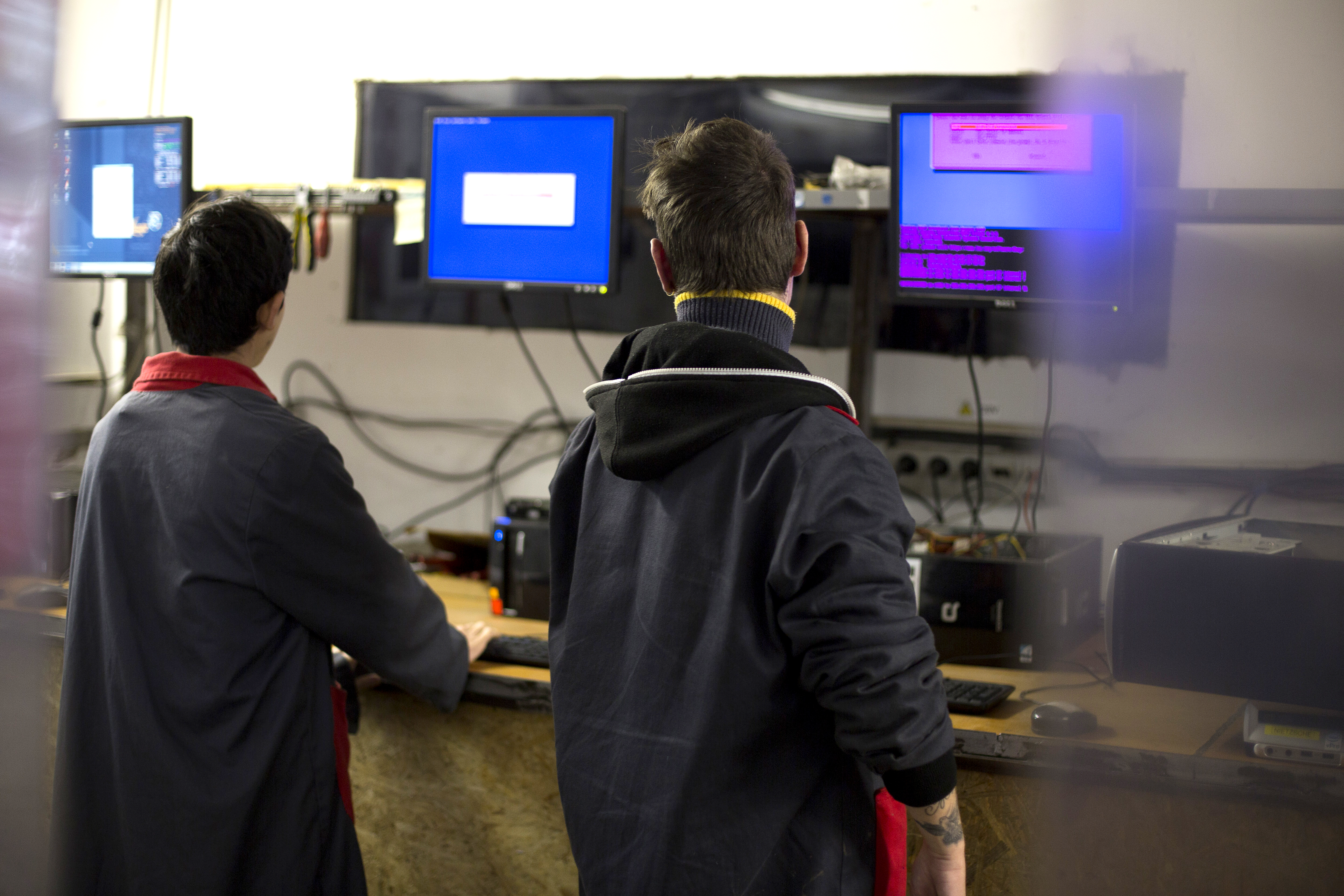
An area that is less discussed in Romania is generating revenues of almost one trillion euros at the EU level and represents, according to estimates, up to 8% of the Union's GDP. It is about the social economy, which has shown how a country can help itself when it supports those who are facing difficulties. This week, in a workshop in the south of Bucharest, I had the opportunity to see how this model works in Romania. The story, in the Friday, May 29 edition of the “Partea Bună” newsletter, to which you can subscribe below.
I have often heard people in vulnerable situations being told to get a job. The exhortation, sometimes uttered with exasperation, is no substitute for a CV, skills, experience on the labor market, opportunity to meet employers. For 18 years, Ateliere fără Frontiere (AFF), an organization founded 18 years ago in Romania based on the French model, has been employing people who would otherwise find it difficult to find a job. But while they do that, they also solve other social problems. Like the lack of computers in schools or the transformation of non-recyclable materials into objects that we all need.
“We are not only talking here about people with disabilities, we are also talking about young people from placement centers, victims of human trafficking, older people who have not been unemployed for a long time, people with addictions, people with criminal records”, says Cristina Bîcîilă, the general director of AFF. Once employed, people go through a process of training and counseling to learn the skills they need and eventually be able to find a job on their own.
“Social enterprises that employ people from vulnerable categories are, in fact, doing the work of the state. They employ people who otherwise live, perhaps, on social assistance and who then end up contributing to the state themselves through the taxes they pay on their salaries. This way you can change not only individual destinies, you can change a community”, believes Cristina Bîcîilă.
Continuation, in the Friday, May 29th “Partea Buņa” newsletter.