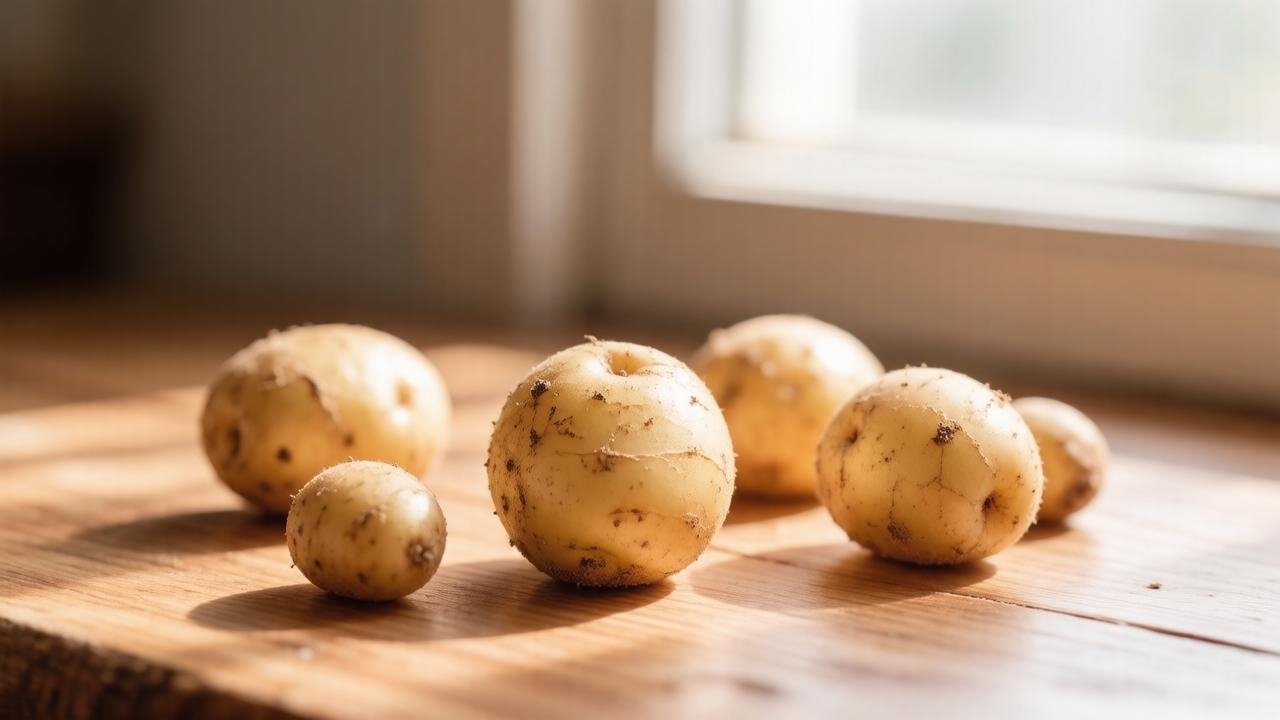
There are a huge number of potato varieties. But with experience, summer residents choose both favorites and unloved ones. For example, the author of the Zen channel “Notes of a Gardener” (12+) shared views that she did not like. But we note that this is a personal opinion: other people, on the contrary, really like some of them.
Queen Anne. Seed material quickly loses its quality. Doesn't hold up well against late blight. Without regular watering, a lot of small potatoes grow. Capricious to grow Compared to other varieties, it lags noticeably behind in all respects. Fried – a C grade; boiled doesn't shine either.
Tubers can be affected by late blight, and the defect inside is visible only when you start to peel or cut for cooking.
Impala. It stores well in winter, but during the rainy season it easily picks up late blight. Does not like damp and cold soil. The soil needs to be fertile and fertilized. And it tastes watery.
Nevsky. It lasts a long time, does not deteriorate externally, but the taste changes. If stored too long, a soapy taste develops. Late blight has little resistance. After cooking, the potatoes become dense and do not absorb salt and spices. Because of this, dishes turn out bland and boring. This variety is more suitable for soups and salads.
Symphony. If diseases are not treated in time, late blight severely affects them. The pulp is light yellow, but becomes lighter when cooked. During cooking, it begins to crumble as soon as the water boils.
Arizona. Severely suffers from common scab, late blight affects both leaves and tubers. The tubers are dense, do not become overcooked, and do not melt in the mouth.
Kiwi. This variety is only suitable for cooking. The peel is thin, slightly rough, and the color resembles kiwi. The taste is a C minus, the middle is often completely tasteless.
And one more variety – Sineglazka. It's old, and now it's not as tasty as we would like. It’s kind of watery and produces almost no harvest. This is not at all the same as 15–20 years ago.
Read also what to put in a hole for large tomatoes.