This text is based on an interview with Raymond Zeng, a 24-year-old Meta engineer living in the Bay Area. It has been edited for length and clarity.
Many of my friends have told me that my lifestyle is very “spartan”. I don't have a car, a couch or even a TV.
For me, this lifestyle is a conscious choice. I could afford more furniture or a more lavish lifestyle if I wanted to. I work as a software engineer at Meta, make $306,500 a year, and live in the San Francisco Bay Area, where I moved about 8 months ago after spending two years in Dallas.
I believe that a key part of personal finance is choosing what to spend your money on and what not to spend it on. Nowadays, I prefer to invest, travel and develop hobbies rather than filling my apartment with things I rarely use or spending money on experiences that do not bring me a sense of fulfillment.
Raymond Zeng in the main living room area of his apartment
On average, I earn between $7,000 and $8,000 per month (before bonuses and stock, which is about 60% of total compensation). My take-home pay is typically around $4,000 a month after taxes and retirement contributions. Depending on the month, I save from $5,000 to even $20,000.
My goal is to retire around age 30, although retirement planning has many variables.
- Read also: Deliveries instead of internships or fast food. Generation Z is changing their summer priorities
How I live minimalistically to cut costs
My one-bedroom apartment costs $2,600 a month, which I consider a good price for the area. Similar apartments closer to the office cost between $3,500 and $3,700 per month. I chose this location, among others: because it's a five-minute walk from the BART station and there are coffee shops, grocery stores and boba tea shops nearby.
I live minimalist by choice. The living room serves as both an office and a hobby space. I use a computer instead of a TV because I rarely watch TV. I don't receive guests often, so I've never felt the need to furnish my apartment in any special way.
My bedroom is equally simple: a bed, a blanket, a pillow and a file cabinet that serves as a bedside table. The only thing I allowed myself to spend more on was a $400 bidet. — I saw it as an improvement in my quality of life.
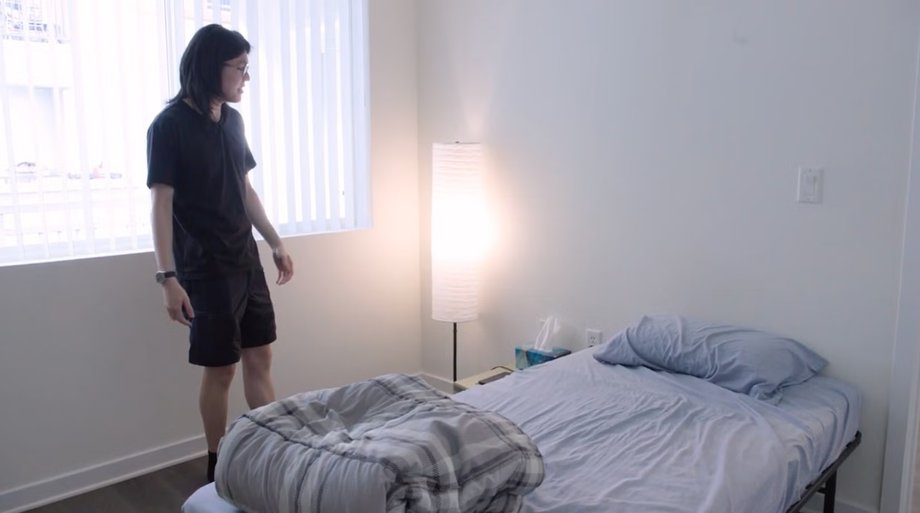
Zenga's bedroom is also minimalistically furnished
I also don't have a car, which significantly reduces my transportation costs. Most months I spend little or nothing on moving around. Sometimes I spend about $30. for journeys or public transport. Otherwise, I walk or use company transport.
I also try to limit my food expenses. I spend about $300 on groceries. per month, and I spend about $75 on eating out. My company subsidizes breakfast and lunch, so I often don't even exceed that budget.
Most weekends I spend time in VR with friends who live too far away to meet often in person. We meet in person every few months. In some ways, it has become an accidental saving because I go out to bars and restaurants less often.
What do I actually spend my money on?
I spend about $400-500 a month on travel and hobbies, including about $1,000 a year in credit card fees. I use points and privileges to reduce flight costs. Since my daily expenses are low (apart from rent), I focus more on welcome bonuses than collecting points on current purchases.
This strategy paid off. Last year, I used points to book business class tickets from Los Angeles to Singapore for me and my dad, avoiding spending over $5,000.
A large part of my spending also goes to the furry community – I design characters, order art, and go to conventions with friends who I also meet in VR. It's a space for me to express myself, which I miss at work.
I'm also saving for my own fursuit, which could cost up to $7,000.
One of the luxuries I consciously choose is to live alone. I know I could save more with roommates, but my own space is worth the price for me.
- Read also: The legendary producer reveals the way to success. “Lazy workaholism“
How I manage my finances and invest
Depending on stock payments, bonuses, and retirement contributions, I save between $5,000 and $20,000 a month. Every year I max out my 401(k), Roth IRA, and HSA, and invest any extra funds in my brokerage account.
Currently, about 80 percent my investments are in the American market, and 20 percent abroad.
I monitor my finances closely. Every month I create a new version of a budget spreadsheet that I designed myself. I also have a larger spreadsheet to track taxes, income projections, and investment growth. Some worksheets show financial forecasts for future years.
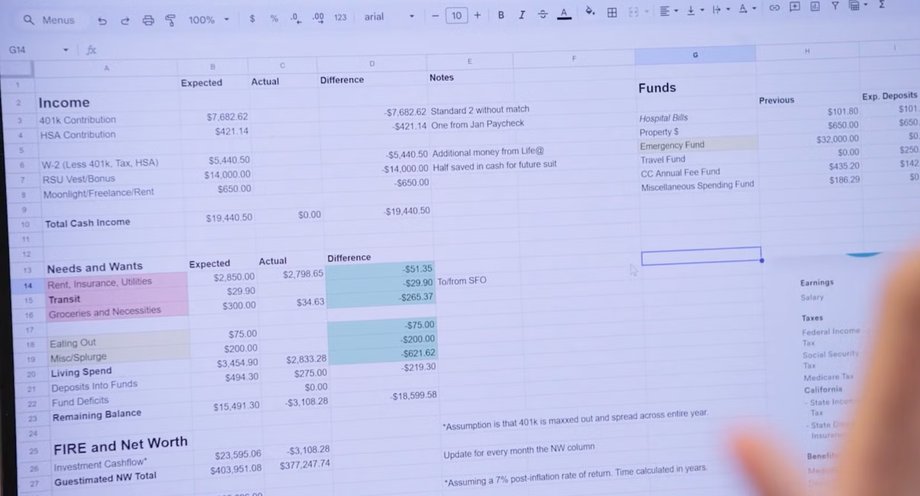
One of Zeng's detailed spreadsheets for tracking his finances
I currently estimate that I can accumulate over $2 million by the time I am 30. By the age of 40, it may be over USD 7 million, although much depends on the market.
I also try to stay up to date and open to opinions – I am active on Reddit and Discord and share my strategy on YouTube.
One of the most important lessons I've learned from the FIRE community is to first build the life you want, and then save for it. JHowever, I am flexible – if my circumstances change, I will also change my retirement plans.
The article is a translation from American edition of Business Insider