
Ukrainian drones raise tensions in Baltic states. A “serious investigation” and suspicions from Sweden after several incidents

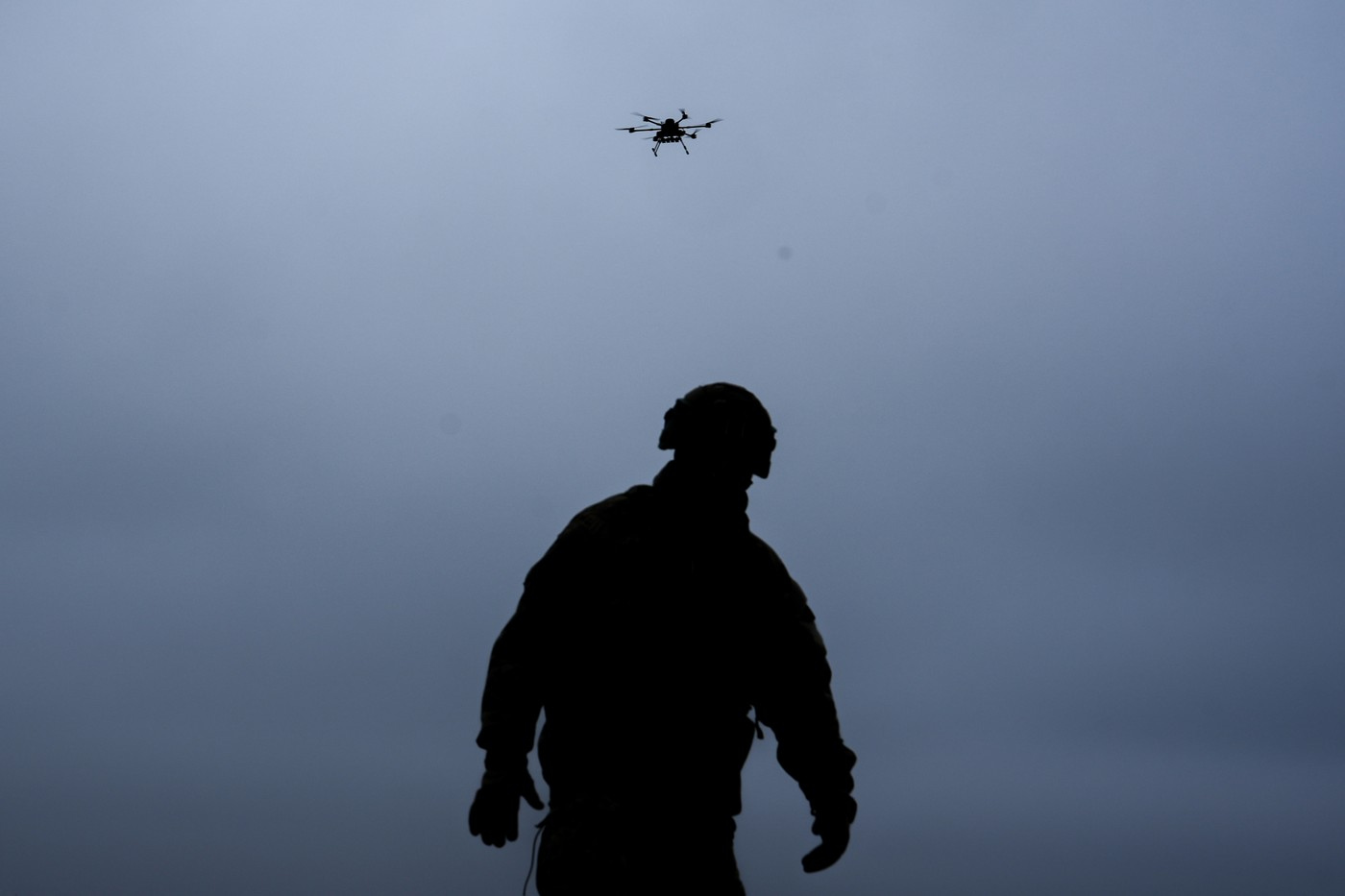
Estonian officials have told Kiev that Ukrainian drone incursions into Baltic airspace are not helping the situation and said they expect Ukraine to better control its drones, Reuters writes.
Several Ukrainian drones have penetrated the airspace of the Baltic states in recent weeks, causing confusion and heightening tensions with Russia at a time when the US commitment to NATO's collective security is being called into question.
These incursions came amid Ukraine's efforts to strike Russian ports in the Baltic region, which handle nearly 40 percent of the nation's oil and gas exports, with explosive-laden drones.
In most cases, Kiev and the Baltic states confirmed that the errant drones were Ukrainian, but accused Russia of diverting the drones from their flight paths by using electronic defense systems that jam or falsify signals.
Such devices are routinely used by Russia and Ukraine to disrupt the navigation of drones and missiles.
Russia's accusations
On the other hand, Russia has suggested that the Baltic states allow Ukraine to use their airspace to launch attacks on Russian targets.
The Baltic States and Ukraine deny this.
Lithuania, Latvia and Estonia have strongly supported Kiev since the start of the war, accusing Russia of trying to intimidate them in the hope that it will persuade Ukraine to stop its attacks.
“Now they are desperately using every opportunity to divide the western part of the world and put more pressure on Ukraine not to launch these attacks,” Estonian Foreign Minister Margus Tsahkna said in an interview with Reuters.
A Russian plane shot down a drone
Most drones have caused no damage, crashing in open fields or flying back outside Baltic airspace, but there is a sense of growing unease.
A NATO plane – a Romanian F-16 – shot down a Ukrainian drone in Estonia on May 19. NATO told Reuters it was the first time its military mission in the Baltics had “launched a missile in defense of the Alliance” since the three states joined in 2004.
On May 20, Lithuanian MPs were forced to take shelter underground as a drone approached Vilnius.
The next day, an air alert was issued in northern Lithuania.
“We have to protect people”
“The threat level is increasing. Drones are flying towards us. They are Ukrainian, but some are loaded with explosives and can hit civilian targets. We need to protect people,” Lithuanian Defense Minister Robertas Kaunas told Reuters.
Asta Skaisgiryte, a foreign policy adviser to the president of Lithuania, said that the Baltic countries now face a particularly intense period because of Ukraine's advances in drone warfare, which make its long-range attacks more powerful.
She said it was possible that Russia was deliberately redirecting drones to fly into neighboring states.
Several drones have entered Baltic airspace undetected, highlighting gaps in air defense on NATO's border with Russia and Belarus.
Latvian Prime Minister Evika Silina was forced to resign after firing her defense minister following an incident in which Ukrainian drones crashed into an oil depot.
A serious investigation and suspicions in Sweden
Despite unequivocal support for Ukraine, Estonian officials have told Kiev that airspace incursions are not helpful and said they expect Ukraine to better control its drones.
A Ukrainian military source said a “serious” investigation is underway to determine how Russia is jamming Ukrainian drones to deviate from their flight paths into Baltic airspace.
A senior Swedish military source quoted by Reuters said that Ukraine is deliberately directing its drones close to the Baltic border with Russia, using it as a kind of shield, knowing that Russia would not want to fire into NATO territory and risk a direct confrontation.
The Ministry of Foreign Affairs of Ukraine denied this. He accused Russia of jamming the drones to deliberately direct them to the Baltic states and said Kiev chooses flight paths that minimize any threat to its Baltic allies.
“We have information that Russia is doing this deliberately; it's not just abstract claims on our part,” said Heorhii Tihîi, a spokesman for Ukraine's Ministry of Foreign Affairs.
“pure fiction”
Last week, Russia's UN ambassador told a Security Council meeting that Moscow had information that Ukraine planned to launch military drones from inside Latvia and other Baltic states, and warned that Russia would retaliate.
While Latvia's representative dismissed the claims as “pure fiction”, Russia's foreign intelligence service, the SVR, said Riga had agreed to the arrangement despite fears it could become “a victim of a retaliatory attack by Moscow”.
Tsahkna and Kaunas said they interpret such statements as a sign of weakness on the part of Russia, which is failing to counter Ukrainian drones or make significant advances on the battlefield.
Linas Kojala, director of the Center for Geopolitical and Security Studies in Vilnius, said there was a risk of an accidental miscalculation due to Russia's “provocative” actions.
“Tensions are high, there is a risk of unintended escalation,” he told Reuters.
A Baltic security official, who spoke on condition of anonymity, said his agency viewed Russia's rhetoric as mainly intended for domestic consumption to focus attention on “belligerent Europeans”.
“They want to hide the fact that they are actually failing to deal with drone strikes in Ukraine,” the official said. “From our perspective, the security situation in the region has not changed,” he said.


