Mark Zuckerberg says he reached out to Apple CEO Tim Cook to discuss 'teens and children's well-being'

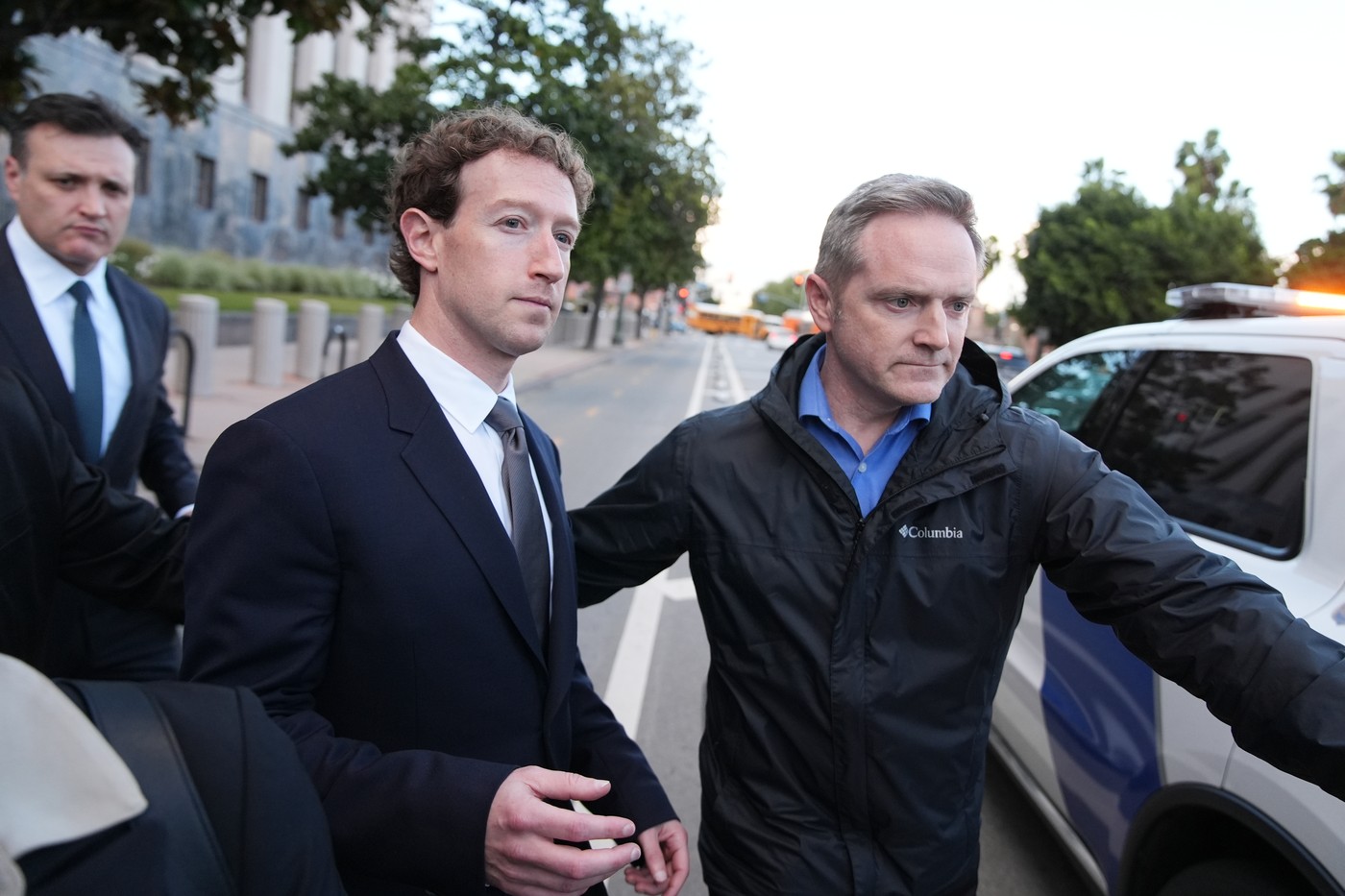
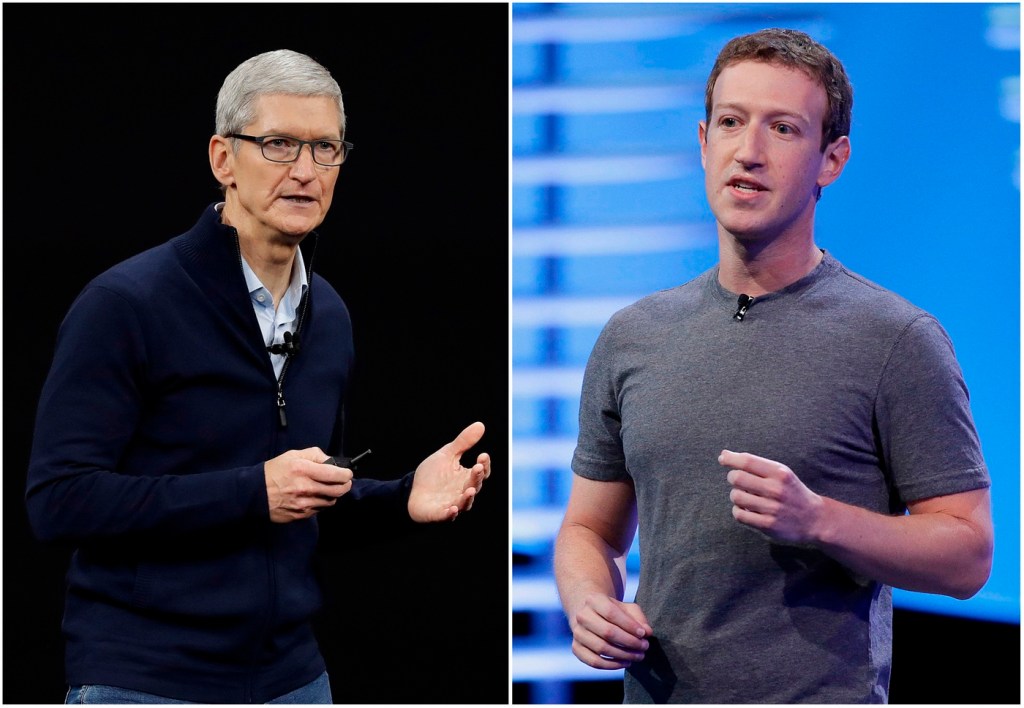
In testimony filed in Los Angeles Superior Court, Meta CEO Mark Zuckerberg presented an email exchange from 2018 that included messages to Tim Cook as evidence of his efforts to keep young people safe on social media, according to CNBC.
The testimony was presented Wednesday in a historic social media safety trial, where defense attorney Paul Schmidt exposed correspondence between Zuckerberg and the Apple CEO.
“I felt there were opportunities that our company and Apple could exploit, and I wanted to talk to Tim about it,” he said of the February 2018 messages.
The messages were used to demonstrate the Meta founder's direct involvement in youth safety, with Schmidt arguing that these efforts went as far as contacting a corporate rival.
“I care about the well-being of the teenagers and children who use our services,” Zuckerberg said as he characterized some of the email's content.
The digital filter controversy
Part of the hearing in this lawsuit filed against Meta, YouTube, TikTok and Snap by a young woman who claims she became addicted to social media focused on the effects of digital filters that promote cosmetic surgery.
The head of Instagram, Adam Mosseri, also testified on this topic previously, while Zuckerberg stated that the company consulted various interested parties, without naming them specifically.
The plaintiff's lawyer asked Zuckerberg about the messages that showed he lifted the filter ban because he thought it was “paternalistic.” “It sounds like something I would say and something I feel,” he replied, adding: “It seems a bit authoritative.”
Zuckerberg was pressed about the decision to allow the feature after the company had received advice from experts that beauty filters had negative effects, especially on young girls. He was asked a specific question about a study conducted by the University of Chicago in which 18 experts stated that beauty filters cause harm to teenage girls.
Regarding these conclusions, Zuckerberg stated: “Honestly, I prefer to err on the side of giving people the opportunity to express themselves.” It confirmed that it had reviewed the data, but chose to lift the temporary ban on aesthetic modification filters.
Zuckerberg echoed views previously expressed by Mosseri in court, that Meta eventually decided to lift the temporary ban on digital filters, but without promoting them to other users.
Defense attorney Mark Lanier noted that Meta Vice President Margaret Stewart did not consider the decision to be “the best, given the risks.” Zuckerberg countered that many employees disagreed with the company's decisions and argued that there was insufficient causal evidence to confirm damages.
Asked if he had a university degree attesting to his expertise in causation, Chief Meta replied: “I don't have any university degree.” He added that while he doesn't know the legal meaning of the term, he thinks he has a good idea of how the statistics work.
Zuckerberg rejected the idea that Meta made increasing time spent on Instagram a company goal, although lawyers presented evidence to the contrary. These included targets set by Adam Mosseri to increase daily usage time to 40 minutes in 2023 and 46 minutes in 2026.
Regarding the presence of children under 13, the head of Meta stated that some users lie about their age when registering. Although the documents showed that 4 million minors were using the platform in the US, he argued that age verification would be more appropriate at the level of app stores run by Apple and Google.
“You expect a 9-year-old to read all the details,” asked a lawyer for the plaintiff, questioning the effectiveness of the terms of use.
While Snap and TikTok reached settlements before the lawsuit, Adam Mosseri previously said overuse is personal: “I think it's possible to use Instagram more than you'd like.”
Zuckerberg also addressed the issue of his control over the company, saying that if the board wanted to fire him, he could choose a new one to reinstate himself. He admitted to the court that he is “very weak” at media relations, while the plaintiff's lawyers claim that the platforms misled the public about the safety of their services.
Meta has denied the allegations, and a spokesperson told CNBC that “the question for the jury in Los Angeles is whether Instagram was a substantial factor in the plaintiff's mental health issues.”
Meta in the face of multiple processes
The Los Angeles trial is one of several major lawsuits taking place this year that experts have described as the social media industry's “Big Tobacco” moment.
The court is currently considering whether Instagram was a “substantial factor” in the plaintiff's problems, while a similar trial is expected to begin this summer in California.
Meta is also involved in a major case in New Mexico, where Attorney General Raúl Torrez claims that the giant failed to ensure the safety of young people against online predators.
“What we're alleging, in fact, is that Meta created a dangerous product, a product that allows not only the targeting of children, but also the exploitation of children in virtual spaces and in the real world,” the prosecutor said at the start of the trial.