Esmail Baghei, spokesman for the Iranian Foreign Ministry, told reporters on Monday about Tehran's position on the ongoing negotiations. Although both sides agreed on many issues, this does not automatically translate into an imminent conclusion of an agreement with the United States, reports Reuters. The spokesman noted that current talks do not include the issue of Iran's nuclear program.
The priority remains to end military operations on all fronts, including in Lebanon, where Hezbollah, supported by Iran, launched attacks on Israel in the first days of March, reports the Polish Press Agency. Baghei also noted that the negotiated agreement does not include any provisions regulating the management of the Strait of Hormuz.
Iran denies the deal with the US. “It's a Long Way”
According to the spokesman, the strait is controlled only by the coastal states, and according to Tehran, these are Iran and Oman. Baghei rejected suggestions that his country planned to impose tolls on ships passing through the sea route. However, he allowed for the possibility that specific services provided to individuals may involve fees, but these should not be confused with tolls. However, in recent weeks, there have been repeated signals from Iran about planned fees for free passage through Hormuz.
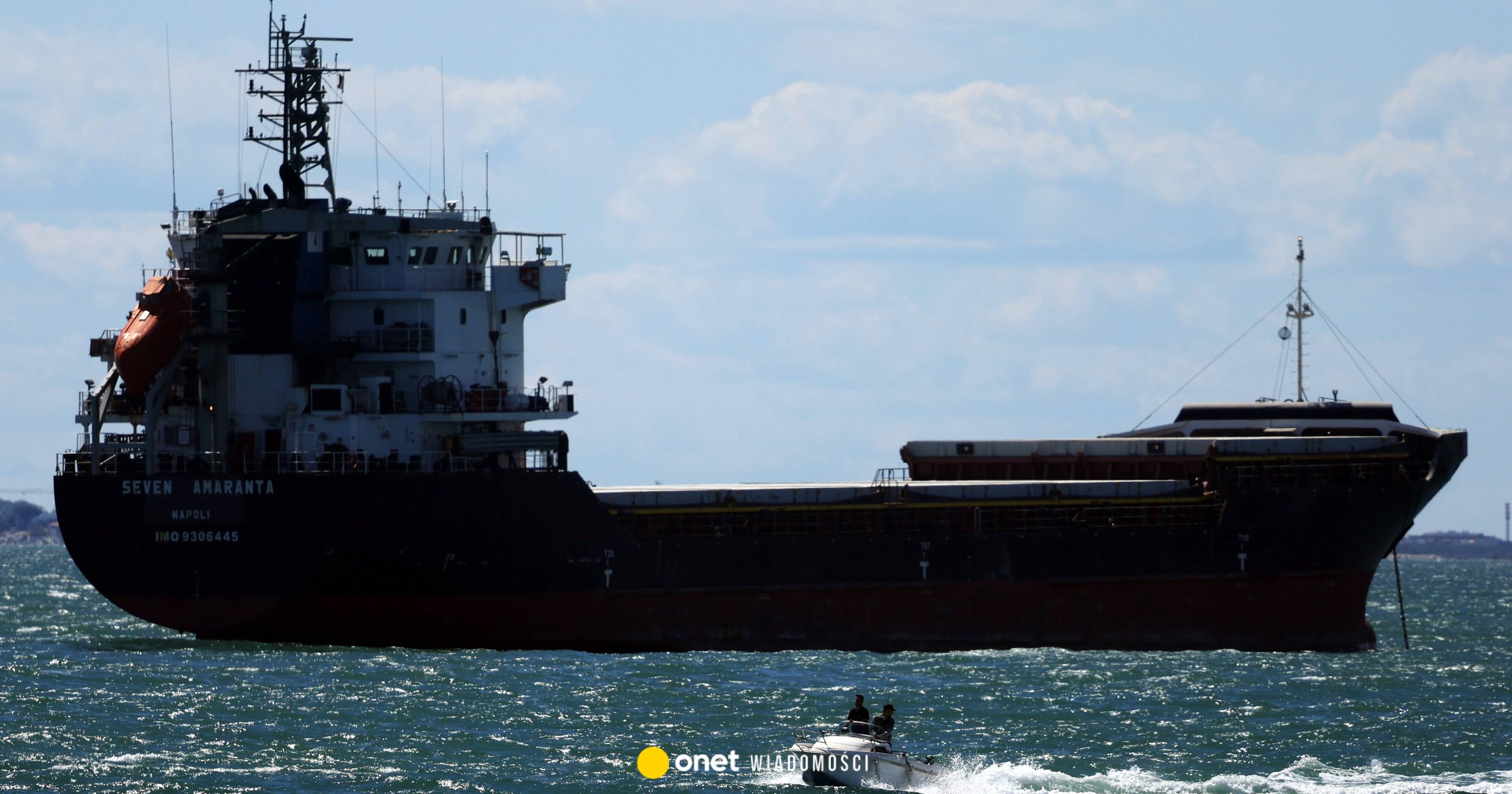
The 1982 United Nations Convention on the Law of the Sea provides maritime vessels with the right to innocent passage through waters belonging to other countries, but Iran has not ratified this document. 20 percent flows through Hormuz. world oil transport oil, and the strait itself is located in the territorial waters of three countries: Iran, Oman and the United Arab Emirates. Before the war and Iran began blockading the strait, ships passed through it without having to pay any fees.
Dania Thafer from the Washington think tank Gulf International Forum, quoted by Deutsche Welle, estimates that Iran is striving for hegemony in the field of regional security. According to the expert, in the long term, Tehran will be heading towards… “reversing the regional order to your advantage”. This strategy would assume persuading Arab countries to expel the American presence from the Persian Gulf and cover the region with the Iranian security system.
Petraeus: Strait of Hormuz must remain open
David Petraeus, former director of the Central Intelligence Agency (CIA), spoke to CNBC on Monday about the negotiated agreement. In his opinion the preliminary peace agreement with Tehran should guarantee the unconditional opening of the strait. Iran would then be unable to decide on ship traffic, collect any fees, or use the threat of closing the route in the future. Earlier, Tehran had repeatedly announced, among other things, that it would not allow vessels flying the flags of the US, Israel or their allies to pass, reports PAP. Petraeus added that “it seems like it could be real.”
The former head of the CIA pointed out that Giving Iran even limited control over this key sea route could mean strategic strengthening of this country, despite military losses suffered as a result of American and Israeli attacks. Petraeus told CNBC that Tehran still has tools that would allow it to paralyze traffic in the strait – from mining the water area to striking merchant ships using drones, missiles and fast boats.