Processed foods have come to be automatically viewed as a health hazard. Nutritionists say, however, that some can be part of a balanced diet if you know what to check on the label.
Photo credit: Shutterstock
“The term 'processed food' is often used in a negative sense, but processing itself is not necessarily bad. It just means that a food has been altered from its natural state.”explains Morgan Walker, a dietitian and professor at Lebanon Valley College, for Women's Health.
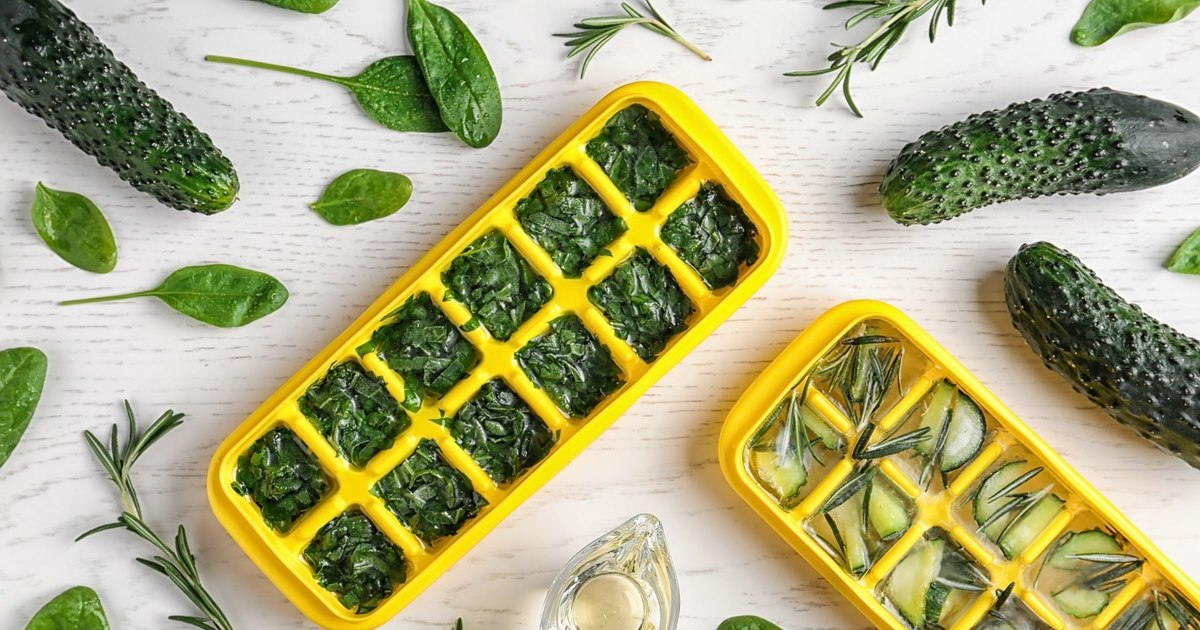
This means that frozen vegetables, canned beans, plain yogurt, peanut butter, hummus, dried fruit, pasta or canned soups can fall into the category of minimally or moderately processed foods.
The problem occurs especially with ultra-processed foods, which often contain added sugar, refined starches, oils, additives and ingredients used for taste, texture or longer shelf life. This category often includes very sweet cereals, chocolate bars, cold meats, carbonated juices or packaged pastries.
The ingredients: the simpler the list, the better
Nutritionists say the first thing you should look at is the ingredient list. The simpler and easier it is to understand, the less processed the product is, as a rule
However, not every ingredient with a complicated name is automatically dangerous. For example, citric acid and ascorbic acid (vitamin C) are frequently used to maintain the freshness and color of food.
Instead, nutritionists recommend paying more attention to products that contain many artificial sweeteners, emulsifiers and stabilizers, ingredients commonly found in ultra-processed foods.
Added sugar, the first red flag
Natural sugar, present in fruit or dairy, usually comes bundled with fiber, vitamins and minerals. In contrast, added sugar is associated with a greater risk of health problems when consumed frequently and in large amounts.
Nutritionists point out that even some products considered “healthy” can have a lot of added sugar. These include certain coffee or tea-based beverages, nut butters, pasta sauces, breakfast cereals or granola.
The US Food and Drug Administration (FDA) recommends limiting added sugar to no more than 50 grams per day. In the case of snacks, nutritionists say that it is better to choose products where added sugar represents no more than 5% of the recommended daily dose.
Watch out for the salt
Sodium is another important indicator when reading a product label. The American Heart Association, one of the largest cardiovascular health organizations in the US, recommends that adults consume no more than 2,300 milligrams of sodium per day, the equivalent of about one teaspoon of salt.
Generally, a product considered low sodium has less than 140 mg per serving. Conversely, some ultra-processed foods can exceed 500 mg per serving and should be eaten less often.
However, nutritionists say that needs differ from person to person. Athletes or people who sweat a lot may need more sodium, while people with high blood pressure or cardiovascular risk may need to limit it.
Protein and fiber make the difference
A processed food may be a better choice if it has enough protein and fiber. Protein helps maintain muscle mass and provides satiety, while fiber supports digestion, gut health and blood sugar regulation.
According to nutritionists consulted by Women's Health, snacks considered more balanced should contain about 10-15 grams of protein per serving. In the case of fiber, specialists recommend products that provide at least 10% of the recommended daily requirement.
So, they say that the difference between a processed product and an ultra-processed one mainly depends on the composition and the frequency of consumption. Some packaged foods can be part of a balanced diet, while products high in sugar, salt and additives should be eaten less often.