Elisabeth Braw is associated with the Atlantic Council, author of the award-winning book “Goodbye Globalization” and a regular columnist for POLITICO. Her new book, “The Undersea War”, will be published later this year.
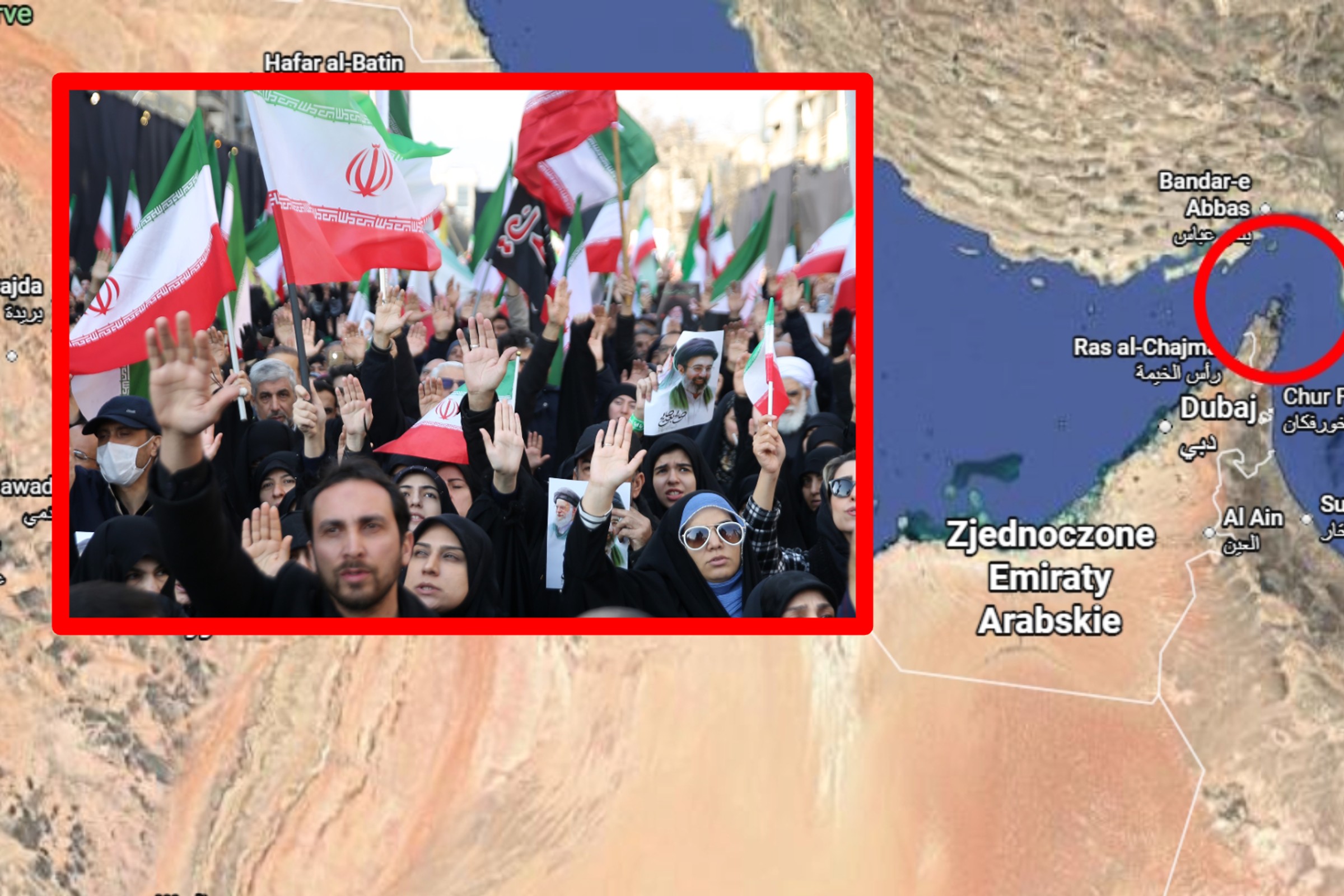
Since the United States and Israel attacked Iran on February 28, the Strait of Hormuz — a narrow and crucial passage at the mouth of the Persian Gulf — has become extremely dangerous to navigation. As the number of ships considering making this journey increases, the escalation of the situation will have painful consequences for global shipping as well as the global economy – and Europe will not be immune. And he will beg Donald Trump to end the war.
But if the US president believes that the crisis may bypass the United States, he may soon be very surprised. While the American leader may not care about international law, he does care about the stock market – a much of the world's stock markets depend on Straits of Hormuz. This is a key area for our portfolios.
“A sanctioned tanker carrying a cargo of flammable gas passes through the Strait of Hormuz” – this was the title of one of last week's publications. The ship in question is the Danuta I, a recently sanctioned LPG tanker, likely “loaded with Iranian LPG,” according to news website Lloyd's List. Perhaps the ship's owners felt they could take the risk precisely because the ship was transporting Iranian petroleum gas, and Iran – located on one side of the strait and Oman on the other – is the entity most likely to attack any ship passing through the strait.
The article continues below the video
Indeed, the government in Tehran has announced an attack on any ship attempting to pass through the strait through which it passes approx. 20 percent world oil and natural gas on the way from the Persian Gulf to world markets. Large amounts of aluminum and fertilizers also flow through the strait.
Or rather, these are transit quantities under normal conditions. Since February 28, the situation in the Strait of Hormuz has been decidedly exceptional. “Currently, ships waiting to transit both inside and outside the Strait of Hormuz are waiting for the situation to develop and are not transiting,” says Svein Ringbakken, CEO of DNK, a maritime war risk insurer. — Shipowners take Iranian threats to attack ships seriously and take them into account in their risk assessments.
Even if they are covered by war risk insurance (yes, it is available during wars, including this one), shipowners are very cautious when it comes to active war zones such as the strait. — They care primarily about ensuring the safety of their crews. Waiting for developments is natural in the early phase of a conflict where serious hostilities are ongoing, Ringbakken explains. Since the beginning of the clashes, only a few ships were able and willing to cross the strait, and like Danuta I, most of them were ships transporting Iranian oil.
The obvious question now is how long the conflict will last. After five days, nine ships had already been hit or directly attacked in the strait or adjacent waters, and three crew members had been killed. Although US President Donald Trump stated that the war may last four to five weekswars by their very nature provide no certainty.
Nobody wants to step out of line
Moreover, since shipping is global, Europe will also feel the effects of the conflict. The ships that were hit include the Swedish tanker Stena Imperative, which was transporting oil for the US armed forces.
Meanwhile, many other ships waiting north and south of the strait are European-owned or flagged, or carrying cargo destined for the continent – mainly oil and gas, and probably also aluminum and urea, a nitrogen fertilizer of key importance for world agricultureand thus for food security.
Fortunately, the EU and the UK import most of their aluminum and urea from other countries, but import significant amounts of diesel, petrol, crude oil, jet fuel and kerosene from the Gulf countries.
Moreover, while many of the ships waiting at the southern entrance to the strait (more specifically, the southeast) are likely to leave if the war lasts beyond, say, the end of this week, the situation is very different for the several thousand ships still in the Persian Gulf. They are trapped here, and the dangers of the strait mean that most of them do not dare to sail through it to reach their next destinations – let alone return to the Persian Gulf to load more goods. War insurance would cover damage to the ship and cargo, but no war insurance will bring back your life.
— A long-term suspension of ship traffic, especially oil and gas tankers, could have a profound impact on energy prices, notes Ringbakken. Indeed, on March 6, Qatar's Minister of State for Energy, Saad Sherida al-Kaabi, told the Financial Times that war in the Middle East could 'collapse the world economy'. He added that all Gulf energy exporters will declare force majeure and suspend production within a few days.
Europe is in check, and Trump is cracking the whip on himself
Iran has already shown that it is ready to retaliate against US and Israeli attacks by attacking the Persian Gulf countries. If the war continues, Iran may decide to launch a campaign against selected ships in the Persian Gulf. Of course, attacking merchant ships is a violation of international law, but Iran has never been a supporter of following international rules. He's unlikely to fully comply with them now — especially after Trump recently told reporters he didn't “need international law” and Defense Secretary Pete Hegseth openly rejected “stupid rules of engagement” when talking about war with Iran.
Imagine constant attacks on ships in the Persian Gulf – ships representing virtually every country in the world and carrying cargo to destinations around the world. If this happens, not only that European leaders will beg Trump to end the war. In fact, the whole world will join Qatar's energy minister in sending alarm signals. Let's add that such attacks would also cause catastrophic oil spills.)
Even if ships in the Persian Gulf continue to be exposed to only sporadic drone and missile attacks, they, their crews and cargo will suffer. So does the economy — including the American economy. While Trump may not care about international law, he does care about the stock market — a much of the world's stock markets depend on the Strait of Hormuz. Let's hope he listens to this appeal.
I’m Ashley Davis as an editor, I’m committed to upholding the highest standards of integrity and accuracy in every piece we publish. My work is driven by curiosity, a passion for truth, and a belief that journalism plays a crucial role in shaping public discourse. I strive to tell stories that not only inform but also inspire action and conversation.