Tensions are rising in Europe as many countries favor a quick purchase of American weapons to contain the Russian threat, but they do not know whether they can rely on the US.
According to a US diplomatic cable obtained by POLITICO, contradictory messages from the United States contributed to a “serious political and psychological shock” in Poland.
“Think about how confused the Russians are,” Foreign Minister Radosław Sikorski joked in an interview with POLITICO after being asked how Poland can plan actions in the face of changes in Washington.
Even President Karol Nawrocki's advisers are amazed by the rapid changes and unpredictability of Americans.
Marcin Przydacz, Secretary of State in the Chancellery of the President, in an interview with POLITICO, called Washington's communication “chaotic” and emphasized that Poland is “those who meet the five percent GDP target”, referring to NATO's goal in terms of defense spending.
The article continues below the video
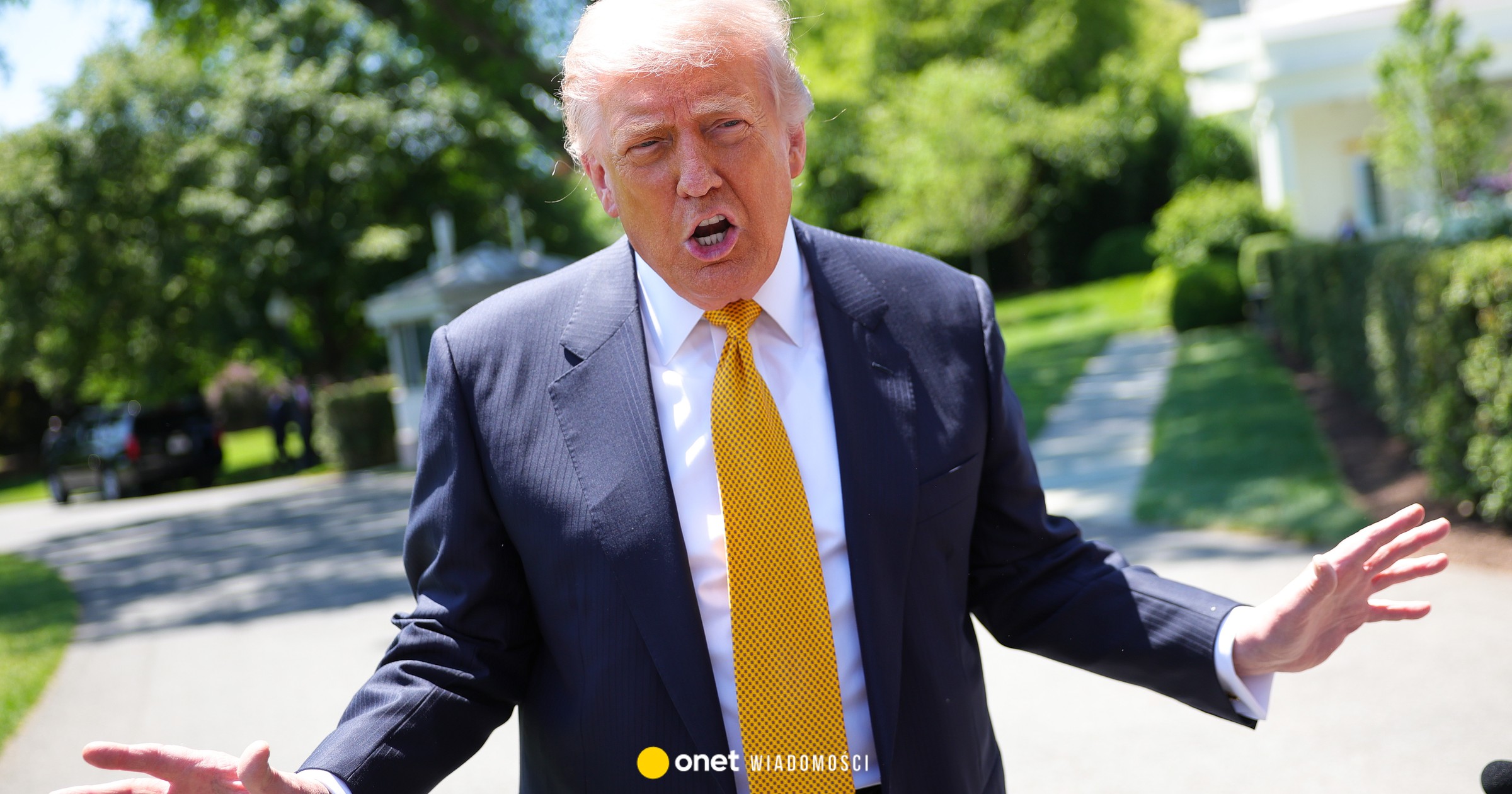
Donald Trump's sudden change in position on the deployment of US troops in Poland made this year's GLOBSEC forum in Prague a preview of how Europe is trying to keep NATO functioning as Washington becomes a source of uncertainty.
Sikorski, in an interview with POLITICO, called the incident with the soldiers a misunderstanding, said that “all's well that ends well” and downplayed tensions in relations with Washington as “a mere temporary obstacle.”
The lesson for Europe as a whole is that America is still crucial to the continent's defense, but is currently unpredictable. Czech President Petr Pavel complained that the problem “wasn't so much the withdrawal of troops as the lack of information.”
Allies “used to be informed” of changes in U.S. troop numbers and presence, he said, while dramatic changes in the deployment of forces in Poland appeared to be announced “without any coordination with NATO.”
Europe in stride
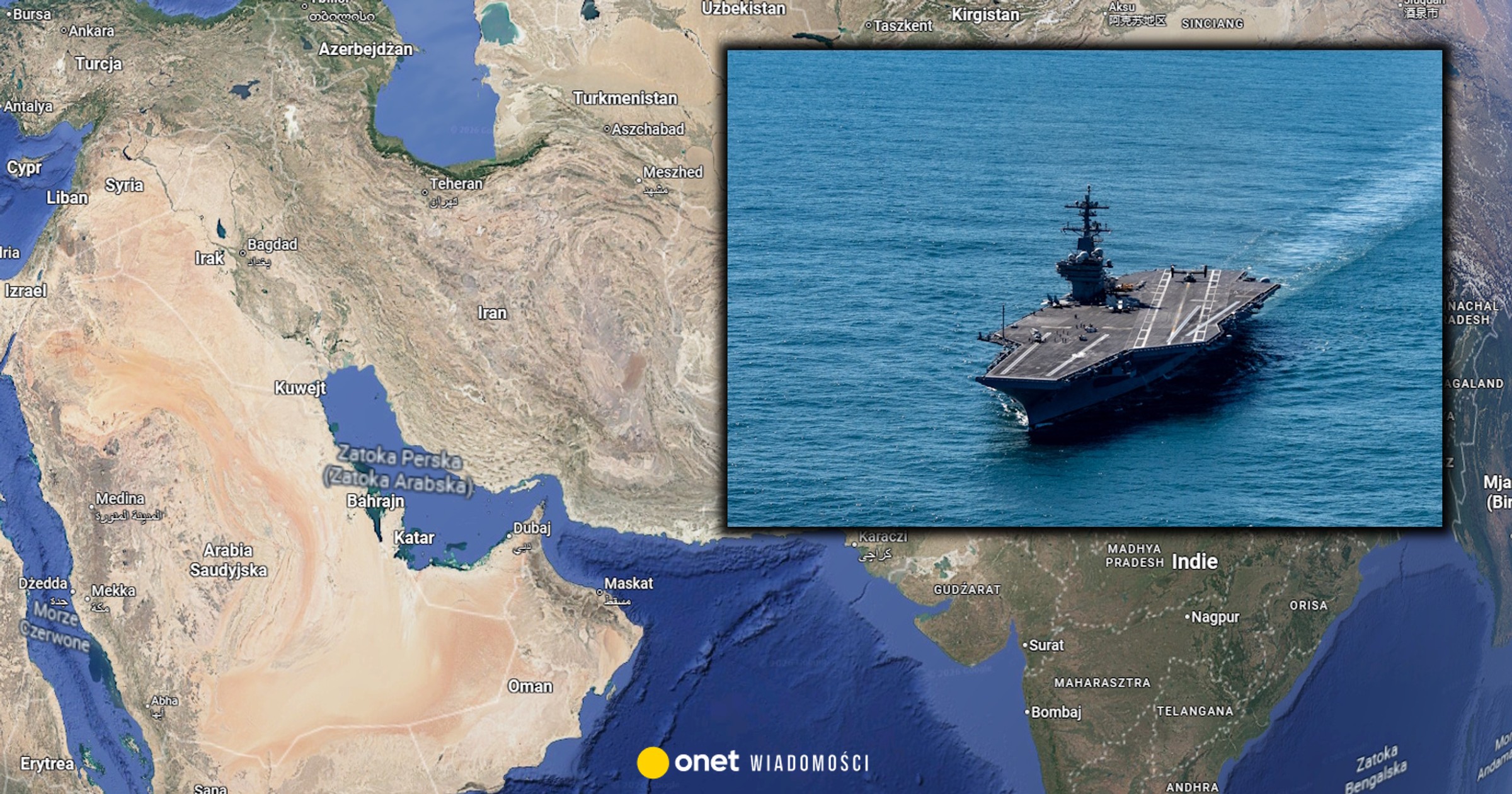
Poland opted for the model of maintaining the US's favor by being the country with the highest defense spending in NATO. It refrained from criticizing the war that Trump started against Iran and bought tens of billions of dollars of American weapons. However, even this did not ensure stability in Warsaw's relations with Washington.
Therefore, the July summit of NATO leaders in Ankara is likely to be dominated by the question: should Europe accede to alliance leader Mark Rutte's demands to continue relying on key American weapons systems or turn more towards its own production capabilities?
— Germany is working with partners to build strong new defense capabilities for Europe, while recognizing Washington's increasing focus on China and the Indo-Pacific region, German Foreign Minister Johann Wadephul told POLITICO.
Swedish Defense Minister Pal Jonson has warned against introducing preferences for weapons purchases from Europe into EU defense procurement rules. — My first duty is to provide weapons to soldiers. Sometimes it may be weapons from Europeans, sometimes from Americans, sometimes from Asia, Jonson told POLITICO.
A few weeks ago, Thomas DiNanno, US Under Secretary of State for Arms Control, visited Poland, Romania and Estonia. The US Department of State announced that during meetings in Warsaw with representatives of American industry, the issues of “EU defense protectionism” and “arms transfer strategy” as part of the “America First” policy were raised. [“Ameryka Przede Wszystkim”, stanowiska Trumpa w stosunkach międzynarodowych].
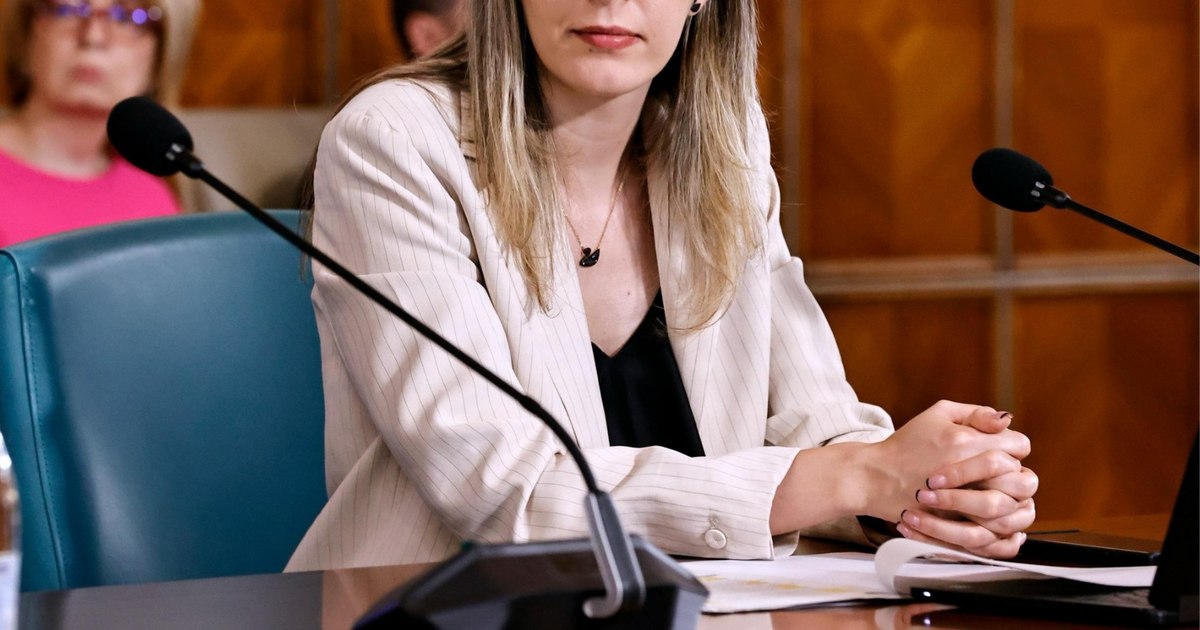
Romanian Foreign Minister Oana Toiu also raised the issue of the balance between equipping the military and expanding the local defense industry. She said that Bucharest wants to “create space to deepen cooperation with the United States”, noting that the Romanian purchase plan includes American equipment worth over $2 billion. (approx. PLN 7.3 billion).
The need to reconcile national interests with maintaining involvement in the alliance of the unpredictable United States under Trump's leadership will probably be a key topic of talks in Ankara.
I’m Ashley Davis as an editor, I’m committed to upholding the highest standards of integrity and accuracy in every piece we publish. My work is driven by curiosity, a passion for truth, and a belief that journalism plays a crucial role in shaping public discourse. I strive to tell stories that not only inform but also inspire action and conversation.