
The last days of the cormorant: 10 EU countries, including Romania, want to hunt these birds

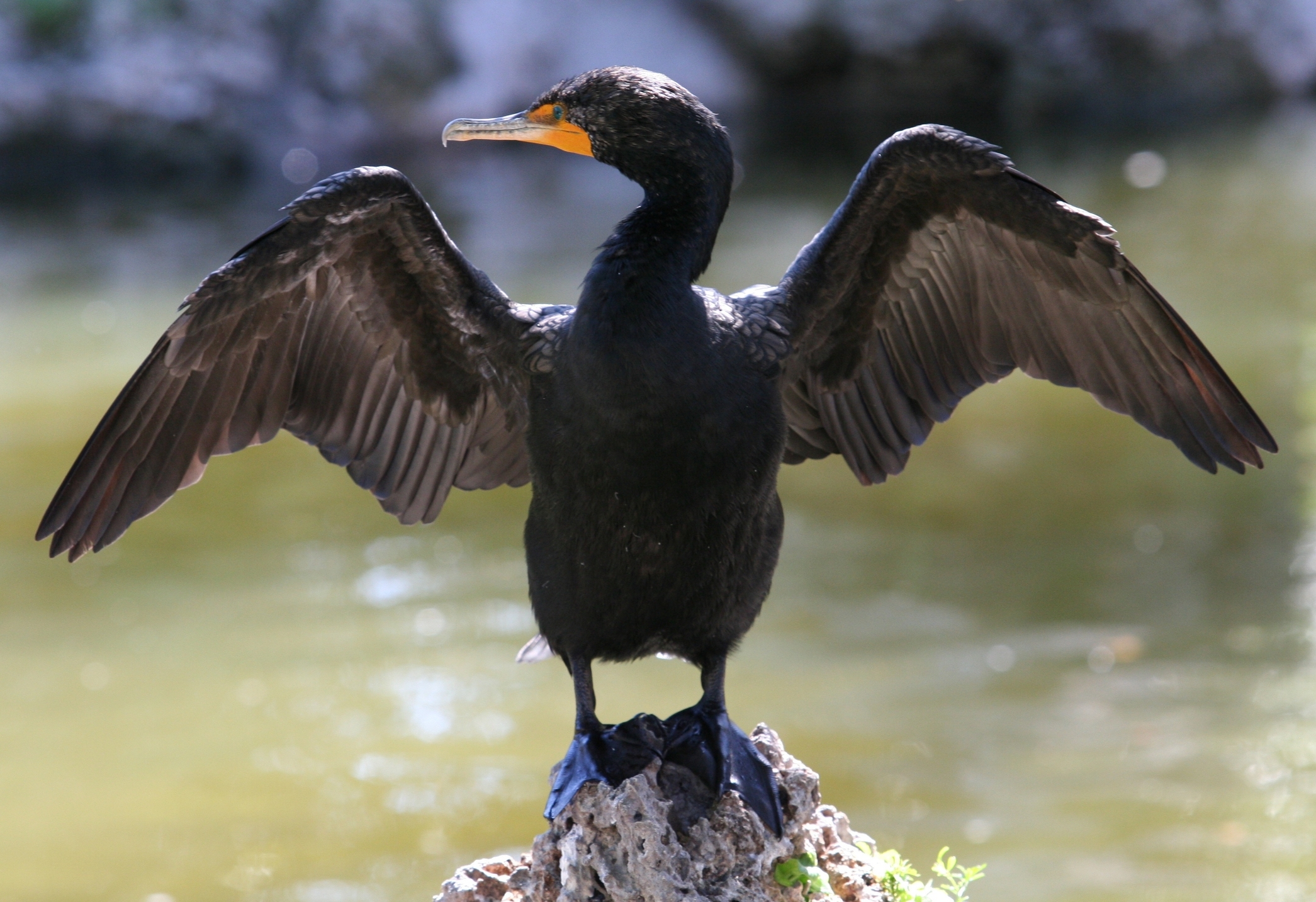
Europe has been working for almost half a century to save the cormorant, a species of water bird, from the brink of extinction. But 10 EU countries, including Romania, now consider this bird a threat that must be kept under control, Politico reveals.
Brought to the brink of extinction by hunters and pesticides in the 1970s, these fish-eating waterbirds were saved by one of the EU's first environmental laws.
On paper, this regulation is a triumph for environmentalists: over the past 50 years, the cormorant population has increased from around 50,000 birds to between 1.5 and 2 million across Europe.
However, 10 EU countries claim that the birds eat too much fish and demand the opening of the hunting season to reduce their numbers.
The request comes in a May 7 joint letter to Environment Commissioner Jessika Roswall and Fisheries Commissioner Costas Kadis, seen by Politico.
Specifically, 16 agriculture and environment ministers from Estonia, Sweden, Finland, Latvia, Lithuania, Slovakia, Croatia, Poland, the Czech Republic and Romania want the cormorant to be added to the list of species that can be hunted under the EU's main nature conservation law, the 1979 Birds Directive.
They are also putting pressure on Brussels to set EU-wide population quotas for cormorants and to make it easier to hunt this bird also outside the hunting season.
Estonian Agriculture Minister Hendrik Johannes Terras argued that the EU should be as willing to control the cormorant population as it is to control other predator species.
The EU has relaxed wolf protection measures in recent years, and several countries practice selective culling of mink and invasive raccoon dogs to protect ground-nesting birds.
“If we're prepared to limit smaller predators to protect bird species, then why wouldn't we reduce predator pressure to protect fish? Nature should be viewed as a whole,” he told Politico.
What do the countries that want to reduce the cormorant advertise
In the May 7 letter, ministers accuse the cormorants, each capable of eating half a kilo of fish a day, of decimating inland fish stocks and emptying aquaculture ponds.
Industry estimates indicate damages of over €350 million per year to the fisheries and aquaculture sector in Europe.
Ministers also warn of “serious damage to ecosystems” and “implications for food security” and urge the Commission to make the “necessary legislative changes”.
So far, the European Commission has resisted the pressure. A Commission spokesman said current rules give national authorities enough leeway to tackle damage caused by cormorants and that governments should try non-lethal methods first.
Asked whether Brussels would consider allowing the bird to be hunted, the spokesman declined to comment, saying the matter was under review.
What species of cormorants live in Romania
In Romania, three species of cormorants live: the great cormorant, the little cormorant and the spotted cormorant.
The great cormorant is one of the most widespread birds in the Danube Delta. The breeding population in Romania is estimated at 12,000 – 20,000 pairs, and the population trend at the national level is currently unknown, according to the Ornithological Society of Romania.
The common cormorant recently started nesting in Romania, the first evidence of definite nesting is from 2019. The species nests in coastal areas, the best known area being the port of Constanța.
The little cormorant, in Romania, nests fragmented along the course of the Danube and in the Danube Delta, but also in a few isolated locations in the Western Plain and Transylvania.
It can also be observed in other wetlands in the country, including the Văcărești Natural Park in Bucharest.


