
The head of the International Energy Agency warns that the oil market will enter the “red zone” in July and August

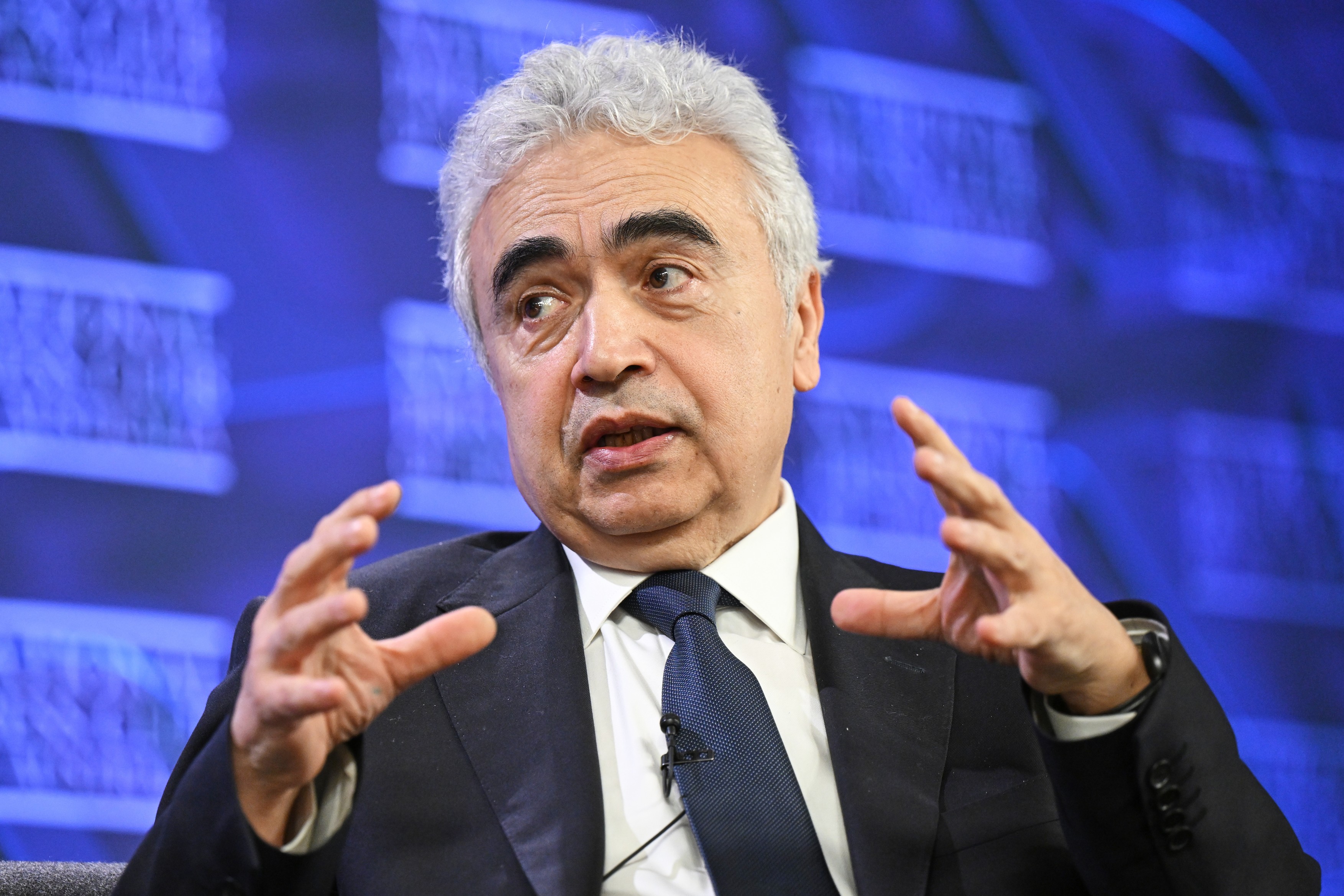
Oil markets will enter the “red zone” in July and August amid falling stocks ahead of the summer season and a lack of new oil exports from the Middle East, the executive director of the International Energy Agency (IEA) warned on Thursday, according to The Guardian.
Fatih Birol added that the most important solution to the energy shock caused by the war with Iran is the complete and unconditional reopening of the Strait of Hormuz.
In an intervention at the Chatham House think tank in London, Birol said that IEA member states have the opportunity to release additional amounts of strategic oil reserves, as they did in March, and the agency is ready to coordinate such an effort. About 80% of the common strategic reserves of IEA members have not yet been used.
He warned that stocks are dwindling, while no additional volumes of oil are coming from the Middle East and demand is increasing, mainly due to the holiday season.
“The situation could become difficult and we could enter the red zone in July-August if we do not see improvements,” Birol said.
The IEA director also stated that he had “never seen the long, dark shadow of geopolitics so dominant in the energy sector”.
He expressed fear that extremist parties in Europe could take advantage of future increases in inflation to argue that they represent a failure of current political systems, even though the price of oil is set on the international market.
Birol also said that Iran does not have unlimited oil storage capacity and that its oil industry will face difficulties.
States will be willing to pay more for supplies from sources deemed safe
The head of the International Energy Agency has already warned that the current oil shock is worse than the three previous major crises of 1973, 1979 and 2022, caused by Russia's invasion of Ukraine. According to him, about 14 million barrels of oil per day are currently missing from the market due to supply disruptions.
Birol said he saw no prospect of a full return to oil production for at least a year, including in the UAE. He added that some states that depend heavily on oil revenue to finance their budgets, such as Iraq, may not be able to reinvest in oil production for many years.
In his view, the Middle East's reputation as a reliable energy supplier has been damaged. Birol estimates that states will be willing to pay more for supply from sources considered safe, but also for renewable energy.
The IEA director predicted that governments around the world will reassess their energy strategies in the coming years and look for alternatives to fuel imports. He added that countries will also turn to other energy sources, including renewables, nuclear power and, to a lesser extent, coal. At the same time, domestic energy production “that is economically viable” will receive an additional boost, Birol said.


