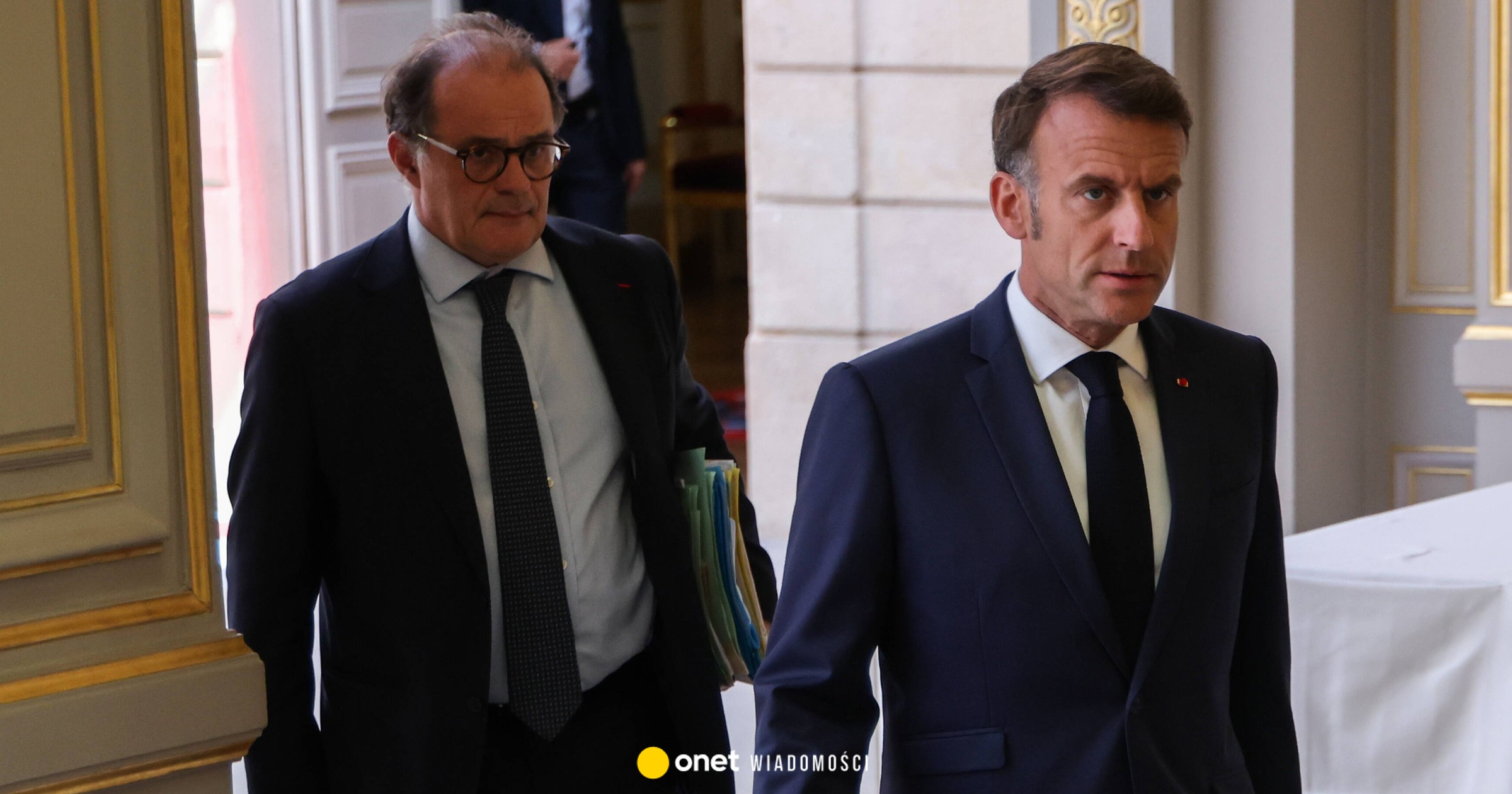
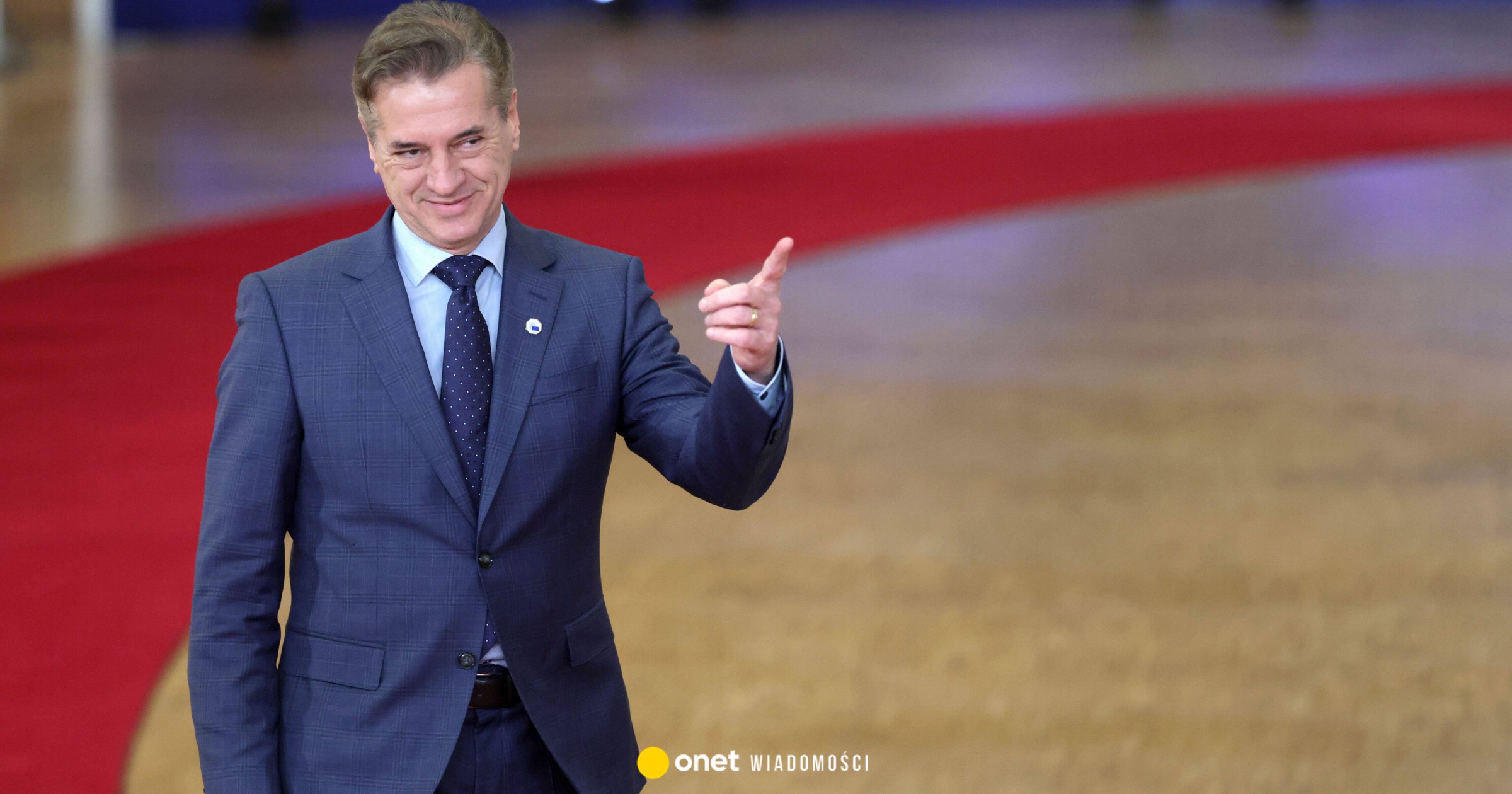
Moulin and Macron's opponents failed to gather enough votes to meet the three-fifths threshold required to successfully veto his nomination, but the 57-year-old did not get through the process without difficulty.
Fifty-eight MPs from the Finance Committees of the National Assembly and the Senate voted against Moulin's nomination, while only 52 voted in favor, meaning that For the first time since the current appointment system was adopted in 2010, a French central banker was confirmed without majority support.
Opposition parties quickly criticized Moulin's confirmation and called for rules to be changed to make it easier to reject presidential candidates.
Eric Coquerel, an MP from the far-left France Unbowed party who chairs the National Assembly's finance committee, said Moulin's failure to win majority support was a “blow” to Macron.
Moulin will replace Francois Villeroy de Galhau, who announced in February that he would leave office with more than a year left in his term. The move has fueled speculation that Macron is taking control of a process that should be the prerogative of France's next president. Villeroy said his decision had nothing to do with politics.
“The appointment of Mr. Moulin to the Banque de France is a farce,” wrote Jean-Philippe Tanguy, a member of the far-right National Assembly, in a social media post shortly after the vote. “Mr Macron puts his friends in key positions to hide the collapse of the system.”
Macron's decision to nominate his former chief of staff for the position did not help silence these voices. US President Donald Trump's aggressive push for the Federal Reserve to cut interest rates has fueled global concerns about the independence of central banks. Trump's pick to lead the Fed, Kevin Warsh, was confirmed last week in a largely partisan Senate vote.
During a confrontational but respectful pre-confirmation hearing, Moulin told lawmakers that as president he would respect the bank's independence and emphasized that he was qualified for the job.
I am confident in my ability to independently lead a proud, future-focused institution that is committed to ensuring a stable currency and a strong, stable and sustainable economy.
– he said.
Moulin spent many years at the French Ministry of Economy and Finance, serving as deputy chief of staff to the current head of the European Central Bank, Christine Lagarde, when she was minister, and chief of staff to Bruno Le Maire, one of her successors.
However, Moulin's critics said he was too close to Macron to be considered independent enough. Some MPs planned to vote against him to punish Macron for his latest controversial series of appointments, which appear to be either political protectionism or an attempt to stay in power after the 2027 presidential elections.
During the hearing, Tanguy held Moulin partly responsible for the dangerous state of French finances, given his senior positions during Macron's time in office.
— You are the embodiment of the deep state [ang. deep state] Tanguy said.
Moulin responded by thanking him “for his kind words.”
The article continues below the video
French lawmakers who had been eagerly awaiting the opportunity to question Moulin on how he would vote on interest rate decisions as a member of the ECB's Governing Council must have felt disappointed. He refused to answer questions about monetary policy, including whether he supported lowering interest rates as the conflict in the Middle East puts pressure on the European economy.
Moulin, however, addressed technical issues, from the digital euro – which he supports – to the Basel III agreements on capital and banking liquidity, the implementation of which he supported in a “pragmatic” way.
Lawmakers also repeatedly asked Moulin about securitization, the practice of combining, repackaging and transforming illiquid assets such as loans into freely traded securities. Former ECB president Mario Draghi called for greater use of securitization in his landmark 2024 report on European competitiveness.
Moulin defended the practice as “a useful tool for financing the European economy as long as it is well managed.”
The response saddened several left-wing and far-right lawmakers who are skeptical of securitization given its role in fueling the U.S. mortgage boom and bust that led to the 2008 global financial crisis.
I’m Ashley Davis as an editor, I’m committed to upholding the highest standards of integrity and accuracy in every piece we publish. My work is driven by curiosity, a passion for truth, and a belief that journalism plays a crucial role in shaping public discourse. I strive to tell stories that not only inform but also inspire action and conversation.