Outcry over AI-driven record profits at Samsung. The tech giant faces the biggest strike in its history

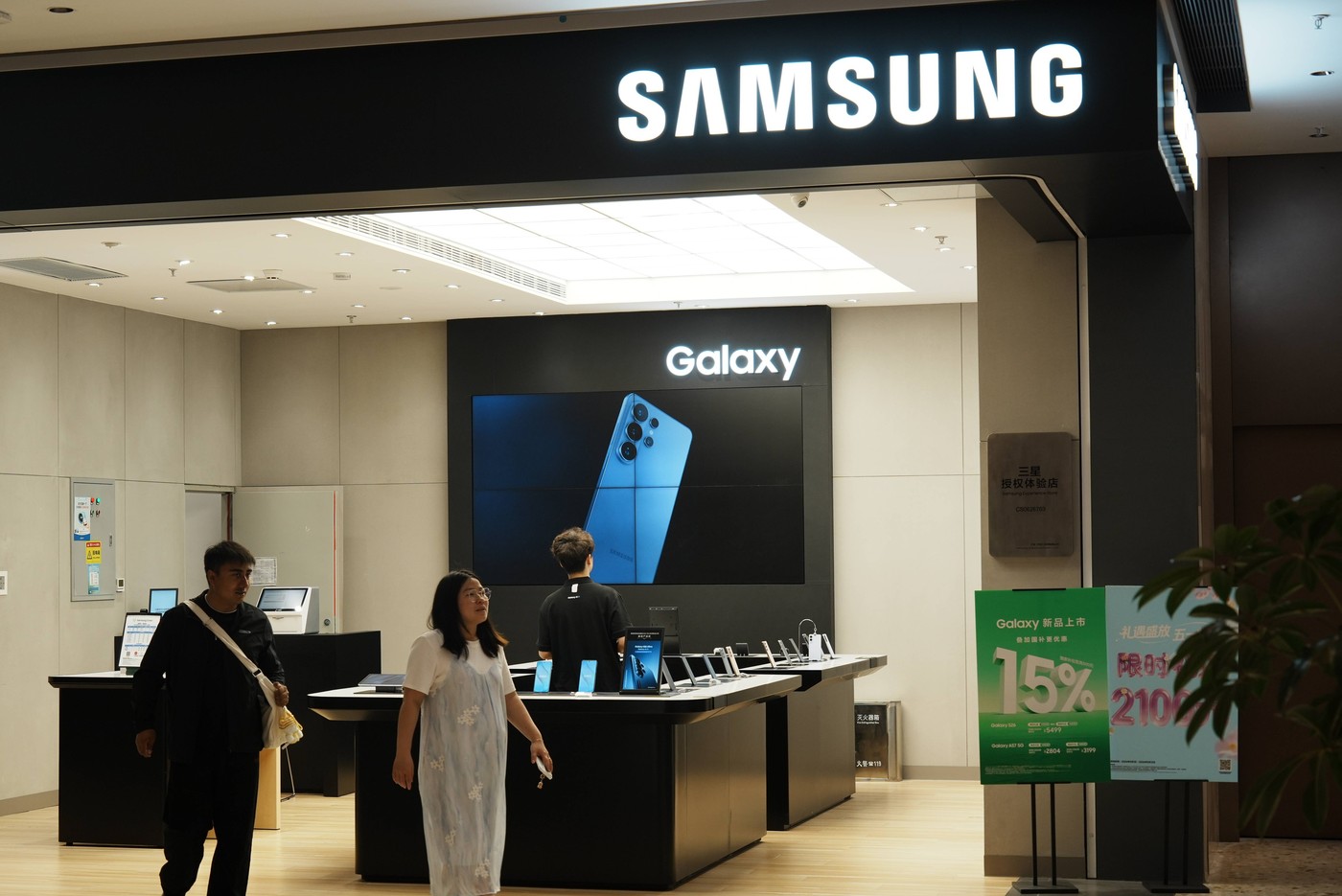
A union at South Korean giant Samsung Electronics confirmed on Wednesday that a full-scale strike will begin as planned tomorrow after negotiations with management over a more equitable distribution of profits generated by the development of artificial intelligence broke down, AFP and Reuters reported.
The union estimates 48,000 of the country's 125,000 workers will go on strike on Thursday after efforts to reach a deal on bonus payments failed, threatening the health of South Korea's economy and global semiconductor supplies.
It will be the second strike in the history of Samsung Electronics, but this time the movement is expected to be much more massive than the one in 2024, which mobilized 6,000 employees.
The group's trade unions, a pillar of the South Korean economy, had previously announced a strike from May 21 to June 7 in the absence of a compromise.
What do the trade unionists want?
The unions are demanding a 7% wage increase, the removal of premium caps and other benefits.
Employees are also demanding that Samsung, the maker of memory chips that supplies US tech giants such as Nvidia, earmark 15 percent of its operating profit for premiums.
This conflict comes amid an artificial intelligence boom that is benefiting South Korean memory chip makers: In the first quarter of 2026, Samsung Electronics saw its net profit sixfold over the previous year, reaching 27 billion euros.
In particular, the massive differences between employees in Samsung's chip division, who enjoy generous bonuses, and those in other departments are highlighted.
Union leader Choi Seung-ho said the 18-day strike would go ahead as management did not budge on a single sticking point remaining in government-mediated negotiations.
“I want to make it clear that we have accepted the final proposal presented by the government mediator,” he told reporters.
“We express our deep regret and feel disappointed, but the union intends to continue the strike in accordance with the law,” Choi said.
“Excessive demands,” the company claims
Samsung Electronics said in a statement that the union had insisted on “unacceptable demands”, which included the amount of bonuses for loss-making units.
“The reason an agreement could not be reached … is that accepting the union's excessive demands would undermine the company's fundamental principles of management,” the tech giant said in a statement.
The company's shares fell about 3% after the news.
The South Korean government threatened at the end of the week to step in and order emergency arbitration, citing the negative impact the strike could have on the economy.
The measure, which has rarely been used, would prevent the strike from taking place for 30 days while the government mediates negotiations.
But a South Korean government official said Wednesday that talks of emergency arbitration were premature and that there was still time for dialogue.
The strike risks seriously affecting South Korea's economy
South Korean Labor Commissioner Park Soo-keun, who mediated the talks, said the government was open to resuming the mediation process “at any time”.
Samsung accounts for almost a quarter of the country's exports. It is also the world's largest maker of memory chips, and production disruptions could affect global supply at a time when the AI boom has caused shortages.
Depending on the scale and duration of the strike, the economic impact could be significant: Samsung Electronics alone generates 12.5% of South Korea's GDP and a colossal share of its exports.
According to the Yonhap news agency, the Bank of Korea estimated on Monday that, in a worst-case scenario, a total production shutdown could reduce South Korea's growth rate by 0.5 percentage points in 2026.
Prime Minister Kim Min-Seok himself warned on Sunday of “unimaginable (…) economic damage” in the event of a strike.