Who will replace the British Prime Minister? One of the types is a former commando

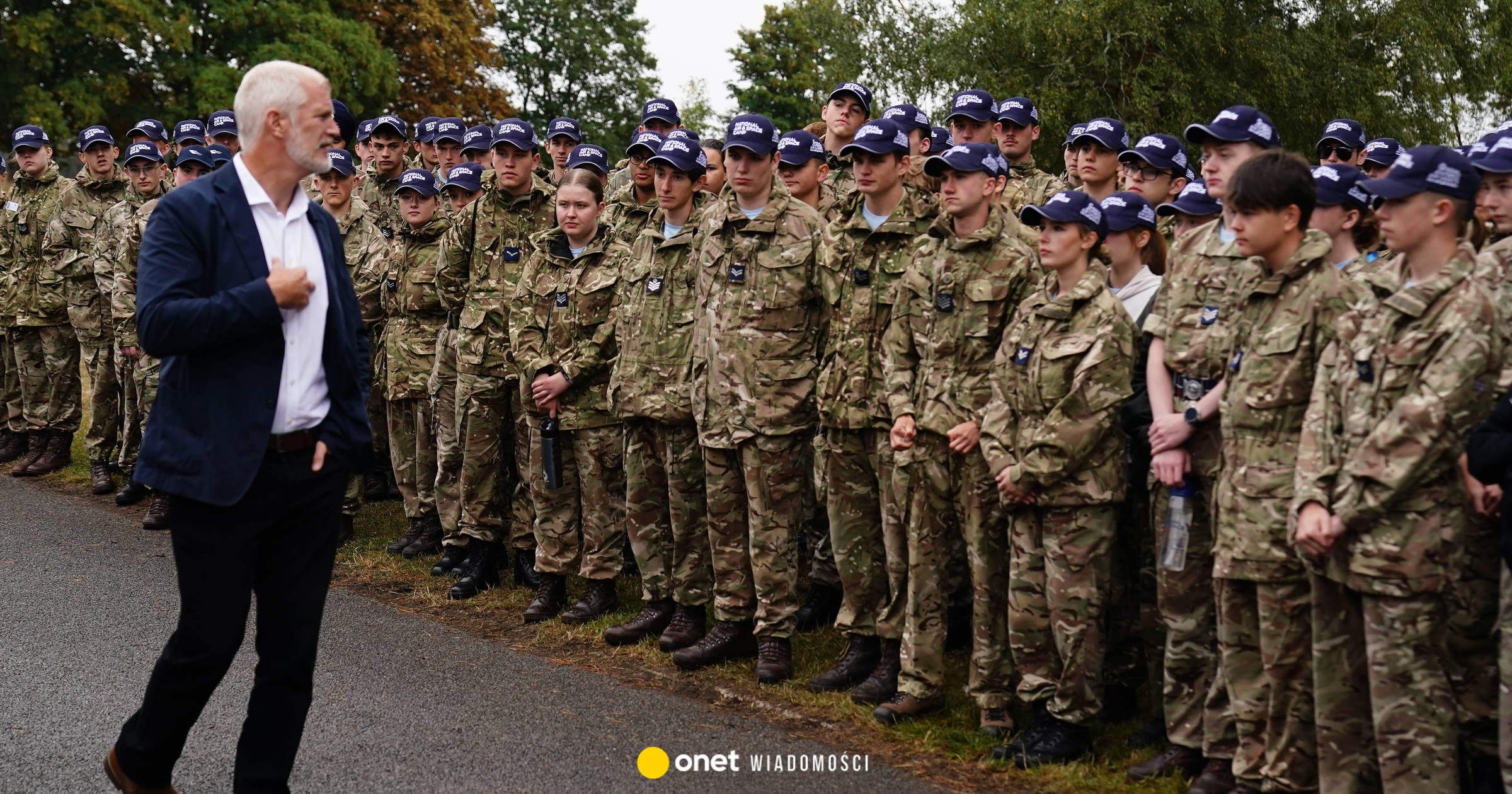
Carns, who only entered parliament in 2024 as MP for Birmingham Selly Oak, is a former special forces commander who served five times in Afghanistan and was awarded the Military Cross for bravery. His supporters see him as a fresh face in Westminster with a fascinating past at a time when career politicians are a frequent target of voters' ire.
Some Labor MPs saw the former commander as a potential future candidate for party leader – but his supporters have accelerated the process and are insisting he take part in the elections, which will be held later this year after a series of blows to Starmer's authority.
British Prime Minister Keir StarmerNEIL HALL / PAP
The Prime Minister said he would remain in office following the resignation of Health Secretary Wes Streeting and long-time critic Andy Burnham's announcement of his intention to run again to challenge him. More than 90 MPs have called on Starmer to set a timetable for his resignation. While there is no official leadership contest currently taking place, it is now more likely than ever before during Starmer's term.
Both Burnham and Streeting have signaled their intention to run for the top job, but Carns' three parliamentary allies argue that no contest can be limited to the two frontrunners.
One Labor MP supporting Carns says he appeals to a “broad spectrum” in the party and on some issues “is more left-wing than you might think.” He adds that he has so far gathered positive support among “dozens” of MPs, which is particularly strong among the new MPs elected in 2024. Carns, according to the informant, “leaves his options open”.
The same person claims that Carns “sees the army as a tool for social mobility” and argues that he is able to attract support from MPs in constituencies where the Reform UK Party poses a threat to Labor, as well as from its Scottish representatives. Carns is known for his good relationship with former Labor Party deputy leader Angela Rayner, the pair having bonded over their shared experiences of growing up in poor circumstances.
The second MP supporting the former commando says Carns would like to raise the topic of resilience, which is not just about defense policy, but also “giving people back the space where they can live comfortably and have some free resources to enjoy life.”
The third MP claims that he “would like to see Al among the candidates”, despite the likelihood that other famous personalities will apply.
Two of those MPs acknowledge that Carns has a greater chance of being promoted to defense or foreign affairs secretary under another leader, but emphasize that he should not rule himself out at this stage [z potencjalnej rywalizacji o zastąpienie Keira Starmera]. — It's definitely a risky move, but when you have 20 percent in the polls, you have to do something. Maintaining the status quo is not enough, says one of them.
Calvin Bailey, another military veteran and Labor MP, supports Starmer as prime minister. But asked about Carns, he told Times Radio: “He's one of the most decorated military officers to enter politics; why wouldn't he be a candidate?”
“He had quite a strict upbringing, he went to a regular school at the age of 17, decided to join the services and that's what shaped him into the person he is today… If that's not the story of the Labor Party, I don't know what is,” Bailey added.
Doubts about Carns. “He is very willing to use his military status”
Other MEPs are more skeptical. One of them pointed out that if there was a third challenger, “it would have to be a woman,” while another said Carns lacks a clear program offer.
The former soldier also raised eyebrows with his approach to communication. Government ministers are usually expected to stick to topics related to their competences and not to attract unnecessary attention.
But Carns has become famous for willfully ignoring the chaos within his party by posting photos of sunsets or parachute missions, and he wrote a frank analysis of last week's local and regional assembly elections in the New Statesman, arguing that “too many people in this country are working hard and yet feel they are losing.”
Two government officials suggest his article should not have been published at one of the most difficult times for the prime minister.
The active military officer adds that Carns was not universally liked in the armed forces. “He is very willing to take advantage of his military status,” he says of Carns, accusing him of deflecting attention from criticism of the government's lagging defense investments.
Carns himself declined to comment.