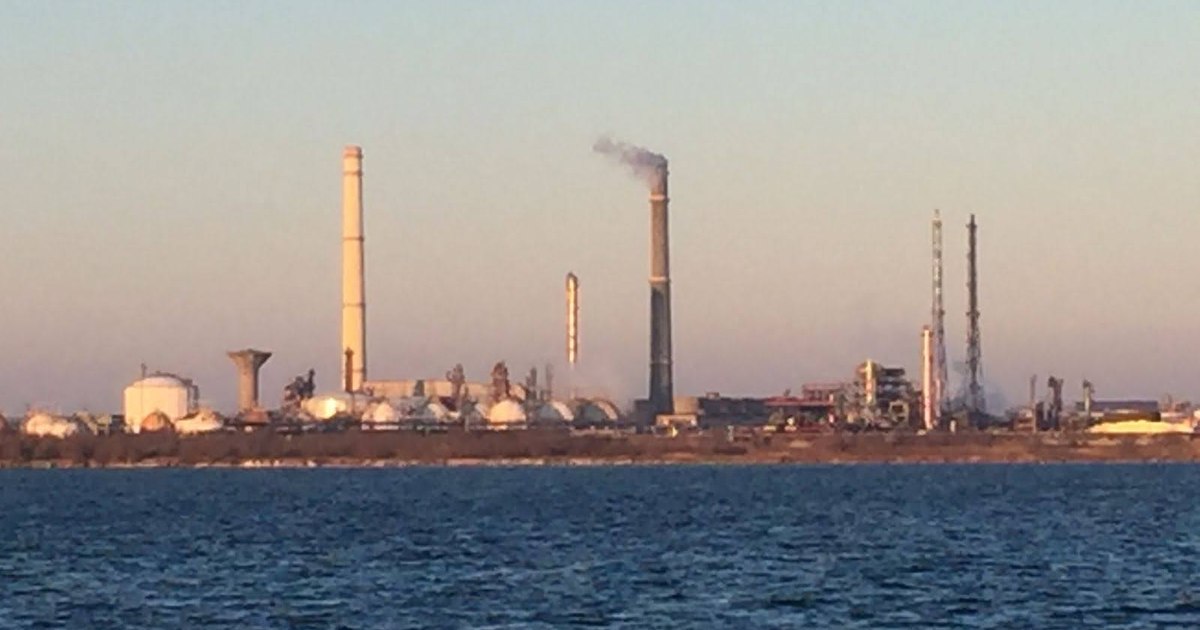
Oltenia dries. The drought destroys the cultures in Drăgotești, Teslui, Dăbuleni and other localities in Dolj. These days temperatures will again pass 41 degrees Celsius

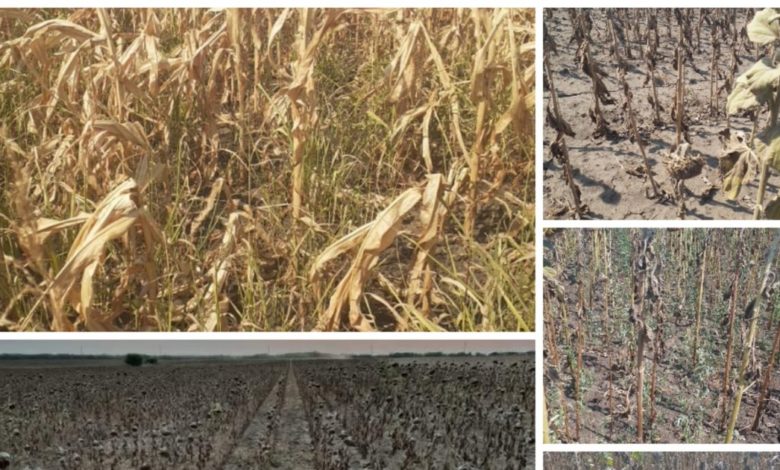
Dolj County comes under a warning red code for burning, being expected more and more difficult to bear. Agricultural crops are damaged on tens of thousands of hectares, and the affected areas continue to grow.
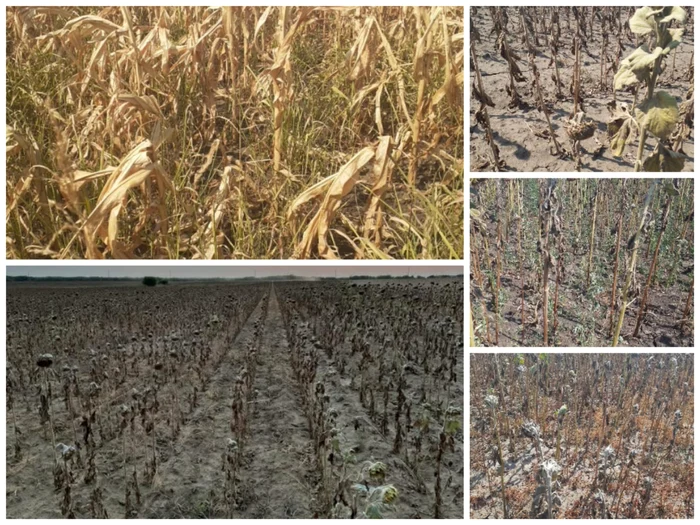
The fields of dozens of localities Doljene are rushed by Photo burn: Collage/Sorin Agapie -Daj Dolj
Two counties, Dolj and Mehedinți, enter Monday, August 11, 2025, under meteorological warning red code of heat, valid between August 11, 10.00 – 12 August, 10.00. The temperatures measured in the shade will exceed even 41 degrees Celsius, the air becoming difficult to breathe. The bad news is that the temperatures do not drop below 21-23 degrees Celsius nor at night, maintaining the accentuated thermal discomfort. Four other counties – Gorj, Vâlcea, Olt and Teleorman – will also be mastered by the sun, the forecast temperatures to reach 39 degrees Celsius. At these temperatures the agricultural cultures, already strongly affected by drought, have no chance.
The fields of dozens of localities in Dolj are damaged, at the Dolj County Agricultural Directorate, more and more notifications regarding the drought damage.
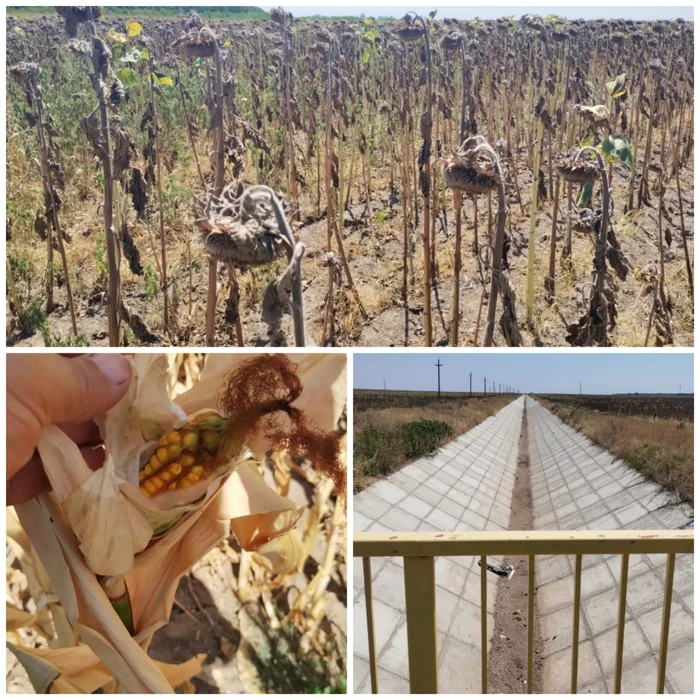
On the irrigation channels there is no more water: collage/daj dolj
DAJ delegates continued the visits to the field these days, surprising in pictures what farmers have no words to express.
In the documents, over 32,000 hectares have been collected so far in this county, already over 25,000 being spring crops, especially corn and sunflower. It is not far from the final situation, because the notifications continue to come. Farmers first announce the town halls, and here the data that are subsequently transmitted to the county institutions are centralized at which commissions are formed that evaluate the situation in the field. Although the damage is obvious, neither the farmers nor the representatives of the institutions know if the state will grant damages, as happened last year, when for 100% calamity crops, 1,000 lei/ha has been given.
“The costs are high, they prefer to allow the shepherds to put the flocks”
The pedological drought installed in the Oltenia Plain burned everything. The images from Drăgotești, Teslui, Amărăștii de Sus, Amărăștii de Jos, Dăbuleni, Călărași, Bechet, Sadova, Dobrești, Valea Stanciului, Dhanic, Segarcea, Calopar, Ţuglui, Podari, and the list does not stop here, shows the devastating effects. Here and there, where there is still the possibility to bring water, the crops seem detached from another area.
Sunflower crops and drought-destroyed corn are hard to look at. From place to place, in the sunflower chains the farmers decide to enter the harvest, although the production is well under what is expected.
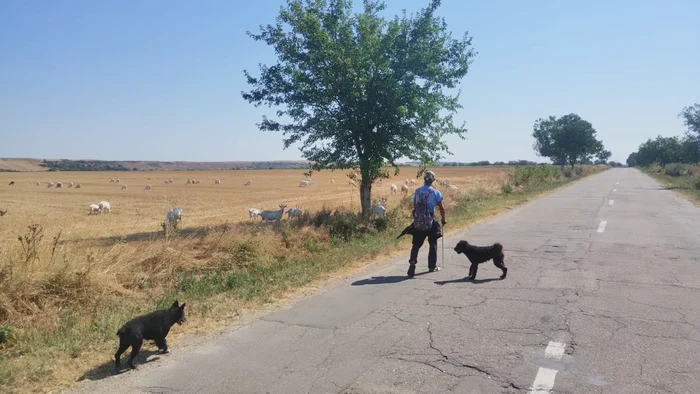
The shepherds take their animals more for a walk, the pastures being rushed by drought photo: Daj Dolj
Director Daj Dolj, Sorin Agapie, says that it is harvested, where there is something to harvest, 300-400-500 kg per hectare, compared to expected productions of 1,700-2.200-2.300 kg/ha. Now the problem of farmers is to prepare the land for the next culture, and these works involve other costs, for which many have no money. “The costs are high, they prefer to allow the shepherds to put the flocks. Only the animals are no longer”, explains Agapie, describing a desolate reality, surprised in the localities in the south of the county. Each dry year means, moreover, additional costs for animal breeders or even radical decisions regarding the keeping of animals on the farm.
“The hardest is at the Lower Amărăștii. When I say they are bitter … near the corner of the profi store there are a few old people who sell tomatoes, pumpkin, Romanian garlic, peppers, kapia peppers and, paradoxically, everyone enters the supermarket and buy from there. “mentions the director a break from the ones caught on Sunday, August 10, on the visit made in the county.
There are whole localities in which irrigation systems have not been working for many years, but people, hard to understand why, continue to cultivate, on thousands of hectares, the cultures that have been shown to have no chance in the sands, while “this year can give the Lord”, when things should be a long time.
In contrast, in Robănești, Drăgotești, Filiași and other locality, where the farmers have adapted the varieties, the productions will allow them to recover their expenses and, most likely, to make some profit.
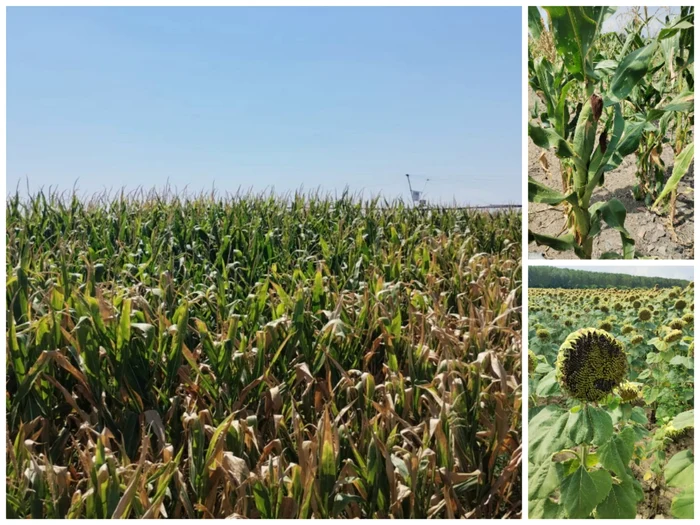
On irrigated surfaces the productions will be good photo: collage/daj dolj
Where there is the possibility of irrigation, corn culture is still green, as well as sunflower, almost another season. Only the water does not arrive for a long time everywhere where they should arrive, the irrigation channels being dried, as well as the sunflower crops in the lands located on both sides of the channel.