We see aggressive comments, fake news and scandals on social media every day, and without realizing it we come to believe that most people are toxic, mean or ready to attack. Specialists warn, however, that this is one of the biggest illusions created by the Internet. A new study shows that in reality, harmful content is produced by a very small group of highly active users, but constant exposure to these posts can affect our perception of society, our relationships with others and even our emotional health. What is there to do?
What social media addiction looks like Photo credit: Shutterstock
More specifically, a recent research published in the scientific journal PNAS Nexus shows that Americans massively overestimate the proportion of social media users who share toxic content or fake news. And it reveals that people believe that almost half of Facebook and Reddit users contribute to the spread of harmful content, when in reality this type of behavior comes from only 3% to 8.5% of users.
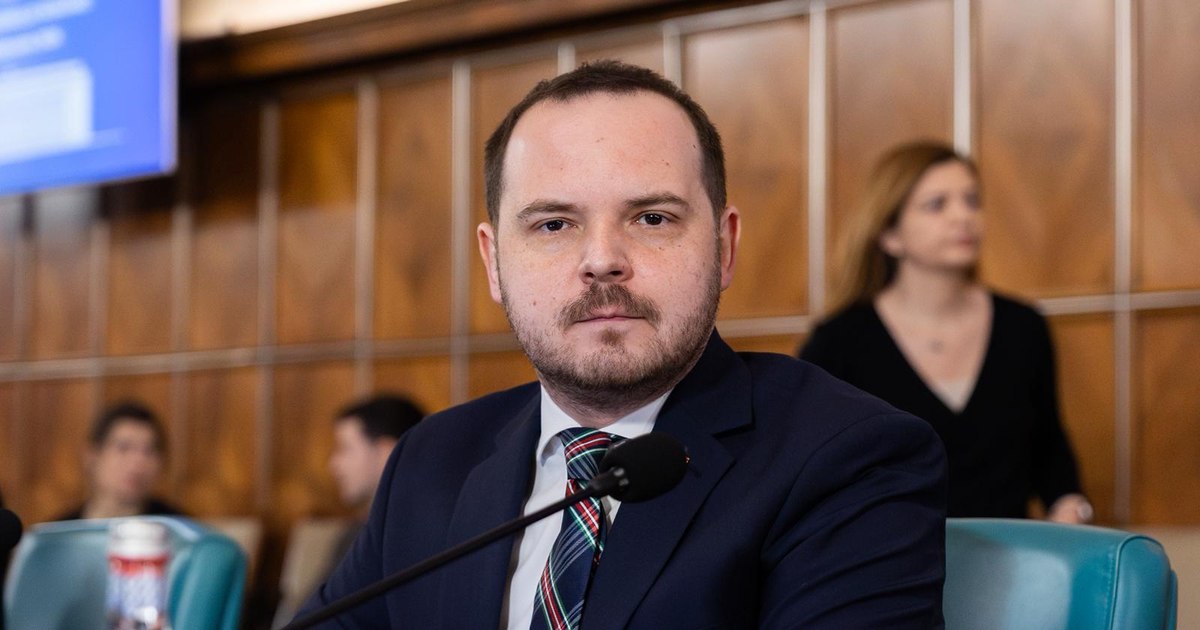
The phenomenon is not just a statistical problem, but one that influences the way people perceive society and the relationships between them. In Romania, social media specialist Cristian-China Birta warns that excessive exposure to social media produces increasingly serious effects on our behavior.
Study: A very vocal minority looks like 'everyone'
According to the survey of 1,090 American adults, participants estimated that 43% of Reddit users post highly toxic comments and that 47% of Facebook users share fake news. In reality, the platforms' data shows that the majority of problematic content is generated by a small but very active minority.
The authors of the study argue that this misperception leads people to believe that society is more aggressive and morally degraded than it actually is.
The research comes as social media is increasingly associated with polarization, aggression and the spread of misinformation. And the effects don't just stay online anymore.
Cristian-China Birta: “20 super aggressive and vocal people on the Internet seem to represent all of Romania”
Cristian-China Birta says that the real problem is not only the existence of aggressive users, but the way in which people end up being constantly exposed to this type of content.
“It's just that there's a paradox here. The more we technologize, the more our weapons of defense, our shields in relation to technology and what comes into our lives through technology, should be those of tens of thousands, if not hundreds of thousands of years ago.”declares the “Truth” specialist.
It explains that a very vocal minority ends up creating the false impression that the entire society is dominated by aggression and conflict.
“20 super aggressive and vocal people on the Internet seem to represent all of Romania, which is not true. The majority of Romania is super ok, only we see those 20 people and we think, mother, what a bad Romania”, he says.
“The only solution is to stop exposing yourself”
According to Cristian-China Birta, people have wrong expectations to receive solutions exclusively from the authorities or technological platforms. He believes that real protection starts with individual control over social media consumption.
Signs that many mistake for love in a toxic relationship. Specialist: “Control can look like care”
“Nobody can force us to see the aggressive comments and the harshness that people say. Nobody can do that. We choose to look at them.” he states.
The specialist says that reducing exposure is the only effective long-term measure.
“Stop exposing yourself. It's the only solution. I don't know why we keep waiting for the government to do something to protect us, for the European Commission to do something to protect us, for anyone else to do something to protect us from the mess that comes from the social media area”, Cristian-China Birta declares.
He believes that social platforms should be treated with more caution and consumed in moderation, not fully integrated into our daily lives.
Social media addiction compared to alcohol or drug addiction
Cristian-China Birta warns that social media has become a form of collective addiction, and many users are no longer aware of how much it affects their behavior and perceptions.
“Social media was a technology that entered extremely, extremely easily…casually into our lives. Because we didn't realize it was technology,” he explains.
In his opinion, the addiction created by social platforms is increasingly similar to other forms of addiction.
“This is how we need to think about social media from now on. That it's like alcohol or like a drug”says Birta. He says that the solution can only come by consciously limiting consumption.
“Or you suddenly stop, which is quite tricky when you're as addicted as we are, but then you impose smaller and smaller doses of social media.”
Online aggression is moving into real life
According to the specialist, the effects of excessive social media consumption can already be seen in people's everyday behavior.
“Romanians are becoming extremely, extremely aggressive. But not only in social media. They take the aggression from social media and transfer it to the offline area”, he warns.
Cristian-China Birta says that this phenomenon affects relationships between people and can lead to the deterioration of social cohesion: “The social fabric, if you will, the civic fabric of our country is falling apart by the day, and at some point something very ugly is most likely going to crack if we're not careful.”
How can we protect ourselves from fake news and manipulation
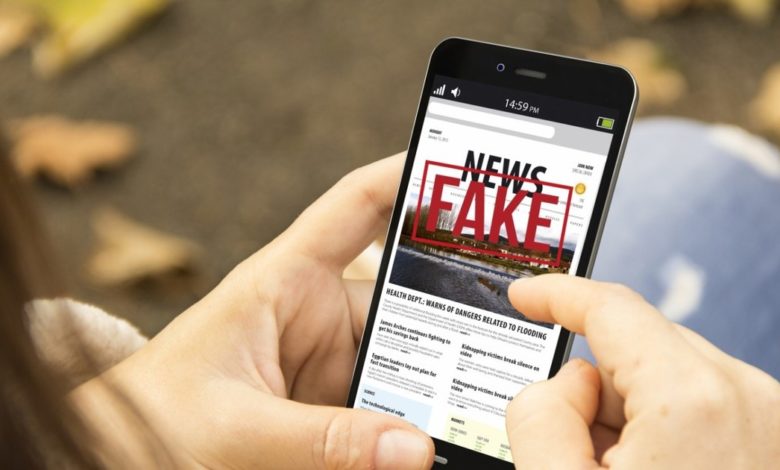
In the context of the accelerated development of artificial intelligence, Birta warns that it will become increasingly difficult to distinguish between reality and fake content.
“As technology develops, it will be increasingly difficult to distinguish fakes from reality”he says.
To avoid manipulation, the specialist says he applies three simple rules:
“If it's too good to be true, then it isn't.”
The second rule involves checking information in credible sources.
“If I see a piece of news, information, something that seems wow, that it's super interesting, let me go to the 3-4-5 official or mega-trusted sources I have and check there,” he claims.
When do parents become an embarrassment to their children? “The chasm is deepened by prides, frustrations and unresolved traumas”
In addition, he advises caution when information appears to have an emotional or manipulative purpose.
“If I see that a piece of news, information has a purpose (…) then I ask myself certain questions.”
The specialist's conclusion is that technology can no longer be passively consumed, and users must build their own “shields” mental in relation to social media and online information.