The cheap vegetable that cholesterol experts recommend eating more often: It has major benefits for the heart and digestion

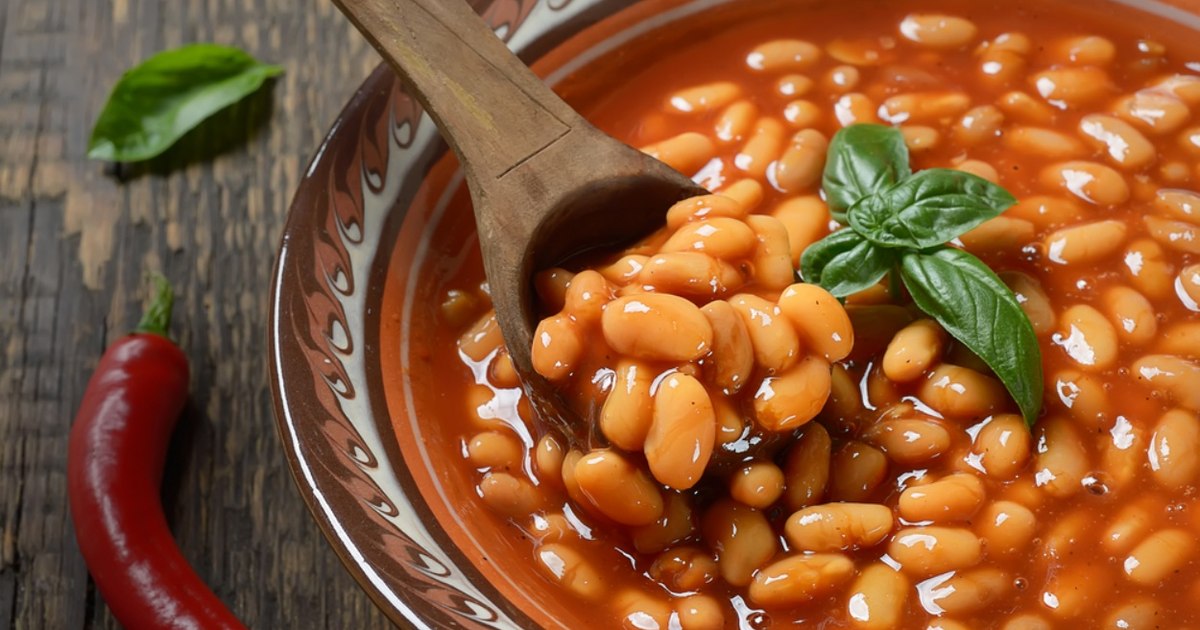
Nutrition experts point out that an inexpensive and easy-to-find vegetable should be included in the diet more often, due to its effects on cholesterol and the heart.
Beans are an excellent source of fiber Photo: archive, the truth
According to experts cited by nutrition researchers from King's College London, beans are one of the simplest and most effective sources of fiber in the daily diet.
One of the biggest proponents of beans is Dr. Emily Leeming, a dietitian and nutrition researcher who specializes in gut health.
“Beans are a winner in many ways. It's really great, but especially for fiber.” the doctor told sciencefocus.
Experts point out that around 95–96% of the population in the UK and the US do not consume enough fibre, making beans an essential food to improve the modern diet.
The benefits are multiple: supporting the intestinal microbiome, the feeling of satiety and reducing the risk of diseases such as type 2 diabetes or colon cancer.
Direct heart and cholesterol benefits
One of the most important effects of eating beans is the impact on LDL cholesterol, known as “bad cholesterol”. It favors the deposition of plaques on the blood vessels and increases the risk of cardiovascular diseases.
Experts explain that the fiber in beans binds to cholesterol in the digestive system, facilitating its removal from the body and thus reducing blood levels.
Studies cited by specialists consistently show improvements in the lipid profile in people who regularly consume legumes.
“The heart benefits of beans come from their high fiber content, which can lower bad cholesterol in the blood. Fiber binds to cholesterol so we pass it out through the stool instead of being reabsorbed into the blood,” explains Dr. Megan Rossi, dietitian and gut health researcher.
In addition, beans contain natural anti-inflammatory compounds called phytonutrients that help reduce chronic inflammation – a factor associated with diseases such as diabetes, arthritis or cardiovascular disease.
Beyond the medical benefits, beans are also considered a sustainable alternative to animal protein. Specialists point out that partially replacing red and processed meat with legumes can lead to both lowering cholesterol and controlling body weight.
What types of beans are recommended
Although all types of beans are considered beneficial, some varieties have distinct nutritional profiles. Black beans are rich in anthocyanins and magnesium, compounds associated with reducing inflammation and supporting heart health. Lima beans (or butter beans) provide a significant amount of manganese and can be used as a healthier alternative to saturated fat in cooking.
Adzuki beans, less consumed in Europe, bring a significant supply of zinc, essential for immunity and metabolism, and haricot beans, used in the preparation of canned “baked beans”, are an important source of vitamin B1 (thiamine), necessary for energy production.
Other varieties such as chickpeas, pinto beans or peas are also recommended for their high fiber content and anti-inflammatory compounds.
Nutritionists point out that there is no “super beans”but rather a benefit resulting from the diversity of consumption. Different types of legumes feed distinct bacteria in the gut microbiome, contributing to better digestive health.