The Strait of Hormuz and the increase in oil prices. Trump reveals details of talks with China

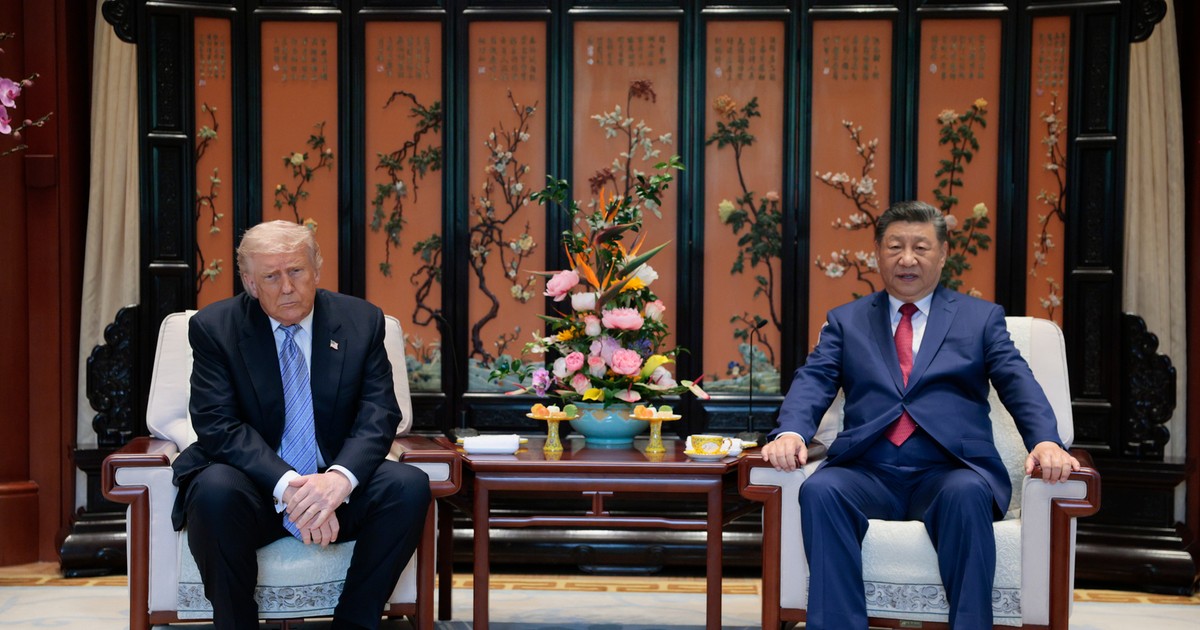
Returning from Beijing after two days of talks with Xi, US President Donald Trump said that is considering lifting US sanctions against Chinese oil companies importing Iranian oil – reports Reuters. China remains the largest recipient of Iranian raw material.
“I'm not asking for any favors, because when you ask for a favor, you have to return the favor,” Trump replied when asked by journalists whether Xi had committed to putting pressure on Tehran to open the strait.
The Chinese side did not directly comment on the talks regarding Iran. The Chinese Foreign Ministry limited itself to criticizing the war, describing it as a conflict “that should never have happened.”
Global oil prices are rising
After the February 28 attacks by the US and Israel, Iran blocked the Strait of Hormuz, through which one-fifth of the world's oil and LNG supplies passed before the conflict. Shipping disruptions caused a sharp rise in oil prices – on Friday they rose by three percent to $109. per barrel.
Read also: Orlen increases wholesale fuel prices. Analysts predict price increases
Tehran announces that it will soon announce a mechanism for managing traffic through the strait. According to the chairman of the national security committee of the Iranian parliament, Ebrahim Azizi, only commercial ships and companies cooperating with Iran will be able to use the corridor, and fees will be charged for specialized services.
Mediation does not bring results
Although the US has stopped airstrikes, it maintains a blockade of ports. According to available data, 78 merchant ships have already been diverted and four have been immobilized.
Iran clearly communicates a condition: the strait will be opened only after the American blockade is lifted.
— We don't want Iran to have nuclear weapons. We want open straits, Trump emphasized.
Read also: The market reacts to Donald Trump's words. “They want to buy oil from the US”
However, Tehran rejects demands regarding its nuclear program, including the transfer of stocks of enriched uranium.
Read also: China's symbolic move? Here's who they invited to visit after Donald Trump
Diplomacy in the shadow of escalation
Pakistan's mediation activities provide hope for breaking the deadlock. Iranian media report talks at the ministerial level, but the lack of specifics suggests that a breakthrough is still distant.
At the same time, internal pressure in Iran is growing. Thousands of people have reportedly been killed since the beginning of the conflict, and the authorities are intensifying repression against political opponents. Dozens of people were executed on charges of collaborating with foreign intelligence services, and dozens were sent to prison.
Read also: American industry is recovering. Experts warn against one risk
Rising stakes before the elections
Talks between the US and Iran remain frozen after both sides rejected recent proposals. Tehran is signaling its readiness for China to participate in the negotiations, while emphasizing its lack of trust in Washington.
Donald Trump talks openly about frustration. “Iran should make an agreement,” he said in an interview with Fox News.
The conflict around the Persian Gulf is becoming one of the key tests for the US administration – also in the context of the upcoming elections and the impact of rising oil prices on the global economy.