“There were a lot of sensitive issues.” Ukraine's path to the creation of a special tribunal
Since 2022, Ukraine has been pushing for the creation of a special tribunal, since the International Criminal Court can only try cases of war crimes if they were committed by a member state. Russia is not a party to the Rome Statute and can use its veto power in the UN Security Council to block any changes.
In 2023, the International Center for the Prosecution of the Crime of Aggression against Ukraine (ICPA) began operating in The Hague, which was the first step towards the creation of a special tribunal. Now an evidence base is being formed there, coordination between prosecutors and the preparation of materials for the future Office of the Tribunal Prosecutor continues, Prosecutor General Ruslan Kravchenko said on May 15.
In April 2024, representatives of 44 countries in The Hague supported the creation of a special tribunal. In addition, a number of European and international institutions have come up with such an initiative, in particular the Parliamentary Assembly of the Council of Europe, the European Parliament, the parliamentary assemblies of NATO and the OSCE.
The European Foreign Ministers gave the political start to the creation of a special tribunal in May 2025 in Lvov. Then the technical work on the draft legal instruments necessary to create the institute was officially completed.
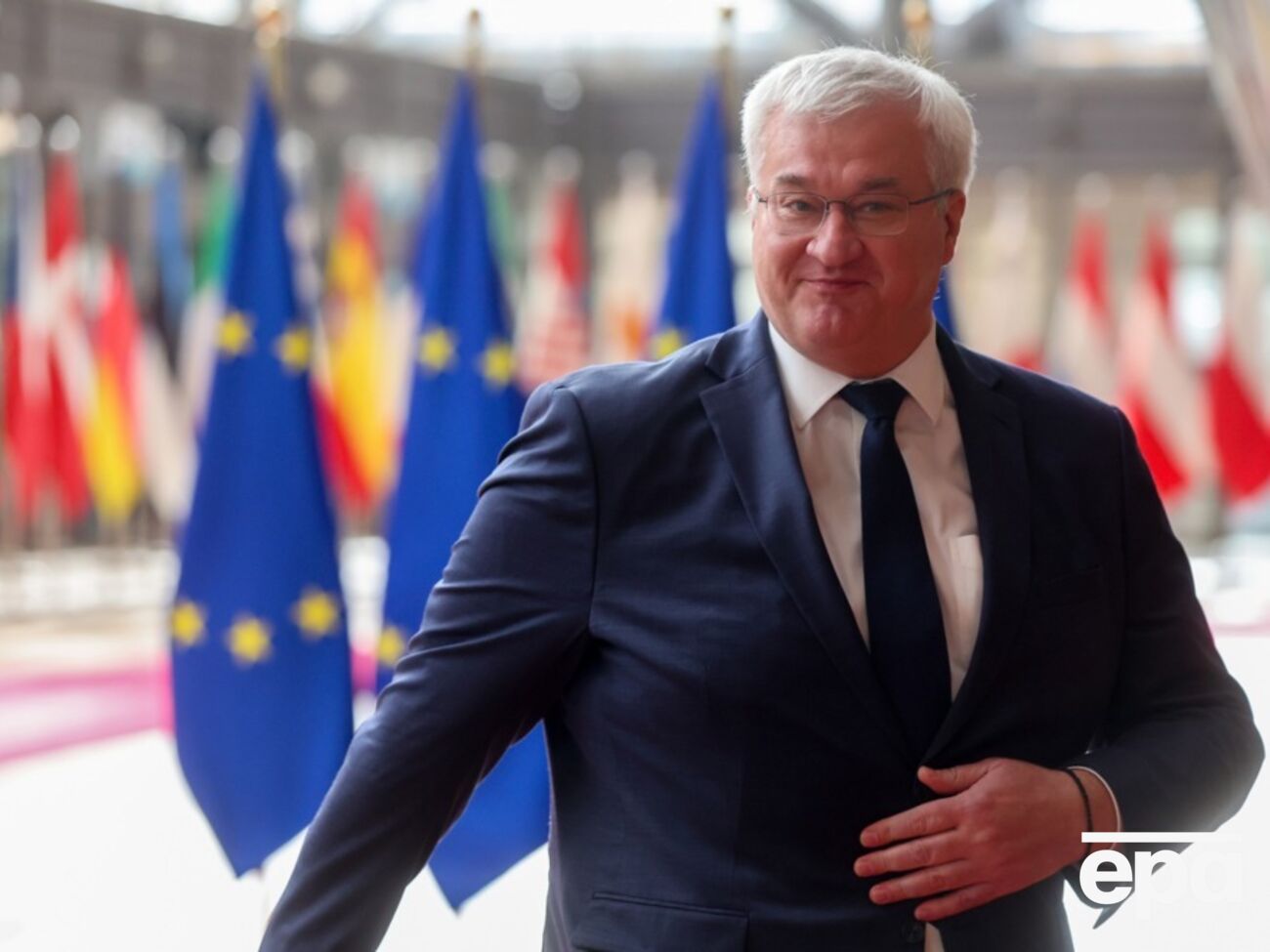
“During the discussions there were a lot of sensitive issues. Each state made this decision [о поддержке спецтрибунала]based on their national interests. But we achieved this,” said Ukrainian Foreign Minister Andriy Sibiga on May 15 during the “United News” telethon.
On March 21, 2025, the Office of the President of Ukraine reported that in Strasbourg, at the final, 14th meeting, the coalition of states (Core Group) agreed on the main documents for the launch of a special tribunal. In June of the same year, Ukraine and the Council of Europe signed an agreement on its creation.
Now, according to Sibiga, 37 participants from three continents have already joined the special tribunal. He is also confident that this geography will expand in the future.
The next stage, according to the Prosecutor General of Ukraine, should be practical preparation for the launch of the tribunal: the formation of a steering committee and preparatory team, determining the premises, selecting judges, prosecutors and staff, approving procedures and securing funding.
How will the institution that is supposed to punish Putin work?
The tribunal will be created within the Council of Europe. On May 15, Ukraine received official confirmation that it will be located in The Hague, Sibiga said. The European Union has already allocated the first €10 million for its activities.
According to the statute of the special tribunal, after an investigation, the prosecutor sends an indictment to the head of the tribunal for approval by the pre-trial judge.
However, if the indictment concerns the head of state, the head of government or the minister of foreign affairs, the judge does not approve it and suspends the proceedings until the official leaves office.
If, after confirmation of the indictment, the accused does not appear before the special tribunal, the trial will be held in his absence.
In the event of a conviction, the convicted person has the right to have the case re-examined in his presence before a special tribunal.
The charter also provides for the following provisions: no immunities for aggressors; fully international jurisdiction; cooperation with the ICC rather than competition; legal establishment of truth.
The Tribunal will have the power to impose, inter alia, life imprisonment on the perpetrators.
Does the creation of a special tribunal pose real threats to the leadership of the Russian Federation?
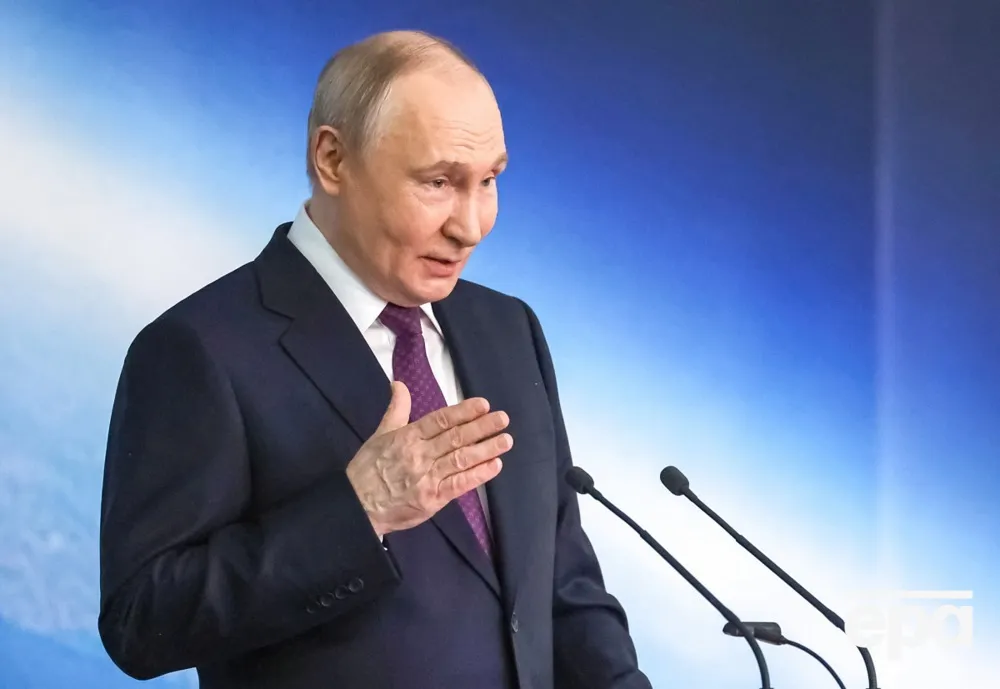
“Putin has always dreamed and still dreams of making history. By creating this special tribunal, we gave him a chance, a permit and a ticket to The Hague,” Sibiga said.
According to the head of the Ukrainian Foreign Ministry, the approval of the agreement in Chisinau on the creation of a steering committee for the special tribunal was a “historic step” towards the creation of a justice infrastructure.
The Office of the Prosecutor General of Ukraine has documented more than 256 thousand war crimes of the Russian Federation and has approximately 1,100 suspects. Part of the evidence related to the planning, preparation and conduct of the war against Ukraine should form the basis for the work of the special tribunal.
Unlike war crimes, crimes against humanity and genocide, for which responsibility lies with the perpetrators, responsibility for the crime of aggression lies with those who ultimately control the aggressive state, explains Euronews.
In practice, this applies to the so-called “troika” – the president, prime minister and foreign minister – as well as high-ranking military commanders who led the attack on the sovereignty and territorial integrity of Ukraine.
Putin, who is the most wanted figure, is unlikely to be tried in the near future, the media believes.
As journalists note, the “troika” will be “untouchable” for trials in absentia as long as they remain in power. The prosecutor could still bring charges against Putin and his Foreign Minister Sergei Lavrov, but the cases won't begin until they leave their posts.
But trials in absentia can be carried out against those who are not included in the “troika” while they are in office, for example, the Chief of the General Staff of the Russian Armed Forces Valery Gerasimov; Commander of the Russian Air Force Sergei Kobilash and Secretary of the Russian Security Council Sergei Shoigu.
High-ranking officers from Belarus and North Korea, two countries that directly helped Russia in the war, could also be held accountable. The defendants are expected to be tried in groups rather than individually, with the exception of Putin.