
The Minister of Climate, Paulina Hennig-Kloska, recently announced that approximately 60 percent returned to the deposit system in the second quarter. bottles put on sale in the first quarter of this year. “We can see with the naked eye that plastic is disappearing from our surroundings,” she said. I can see with the naked eye too. I see plastic. Only it doesn't disappear from the surroundings – it moves to the balcony.
Before someone calls me an enemy of ecology – I am not. I have been sorting for years, I take the yellow container seriously, and I sincerely support the idea of reducing plastic. But the deposit system in its current form is, for me – a consumer, a father of a family – primarily a source of daily frustration that no one at the top seems to understand.
There is a deposit. There is no infrastructure
Let's start with the foundations, because there is a crack from which the rest of the problems grow. The deposit was implemented at a time when the refund infrastructure is very weak (I live in a city with 200,000 inhabitants). Stores add 50 cents per can and bottle to the bill. The cashier will charge, the terminal will collect, and the receipt will be confirmed. Beautifully. Now try to get that deposit back.
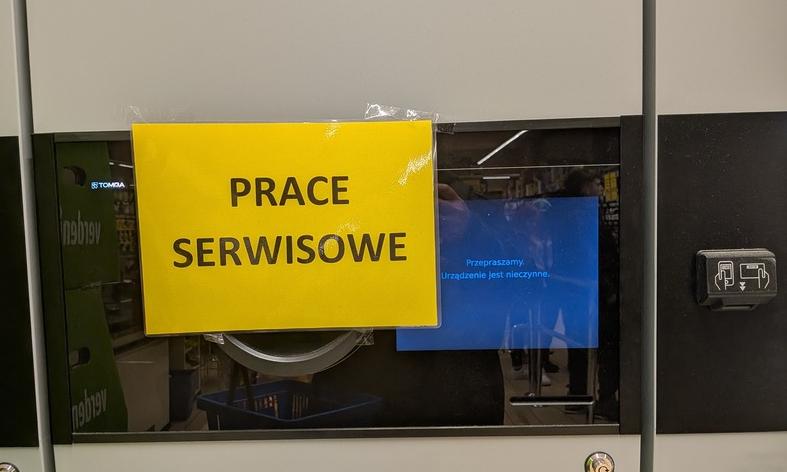
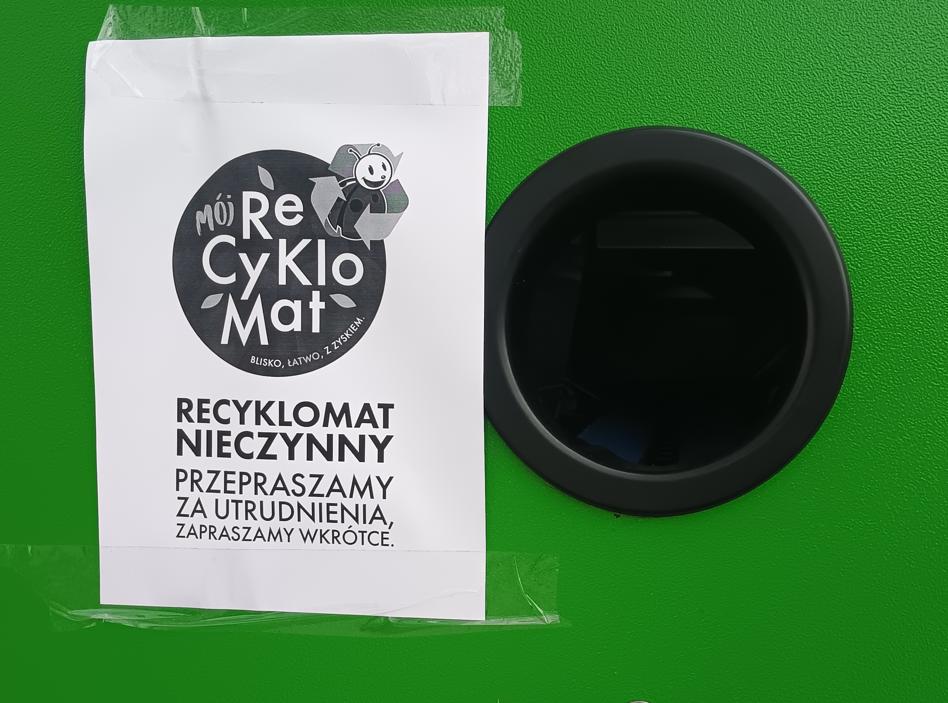
In one supermarket, the vending machine is out of order. In the second one – overflowed, it displays a message that it is not accepted. The third one has run out of “bands” and they won't accept bottles. In the fourth – a queue of people with bags full of empty bottles, with the expression on the face of someone who has just realized that he has lost half of his Saturday.
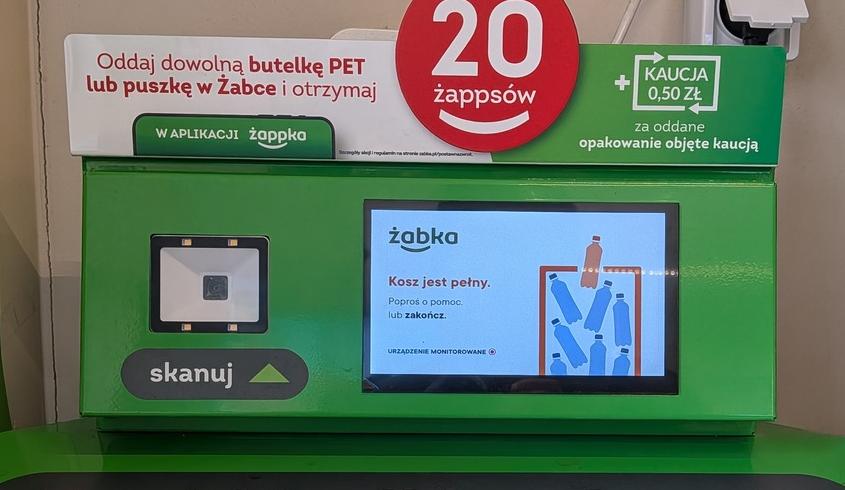
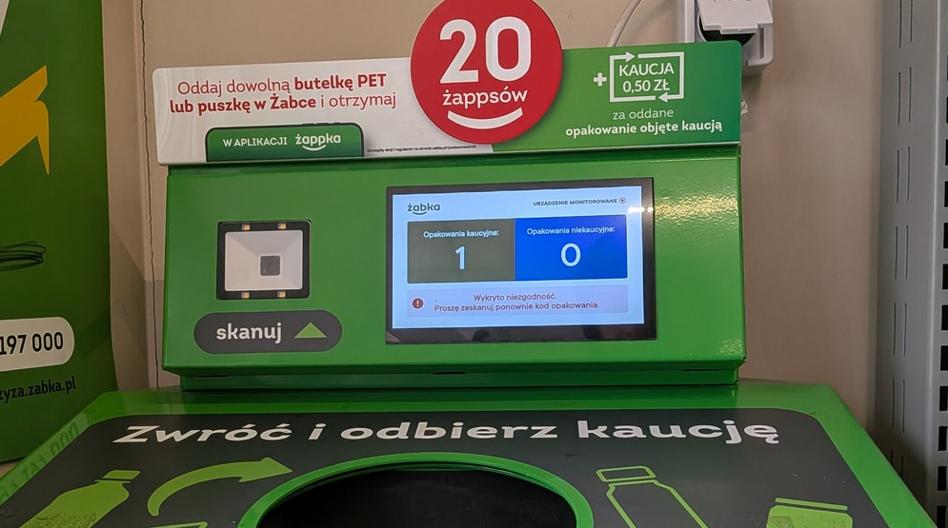
And when you finally get there, the roulette begins. Just yesterday I gave away ten identical Coke cans. The machine accepted six. Four – no. He swallowed them, displayed an error message and asked to scan again. But how should I remove them from the device to try in another store? “You can't take it out, it's gone,” says the store staff. I lost 2 zlotys.
We were made into idiots
I'll say it straight because that's how I feel and that's how many people I talk to feel. The deposit system in its current form has turned us into idiots, walking with nets from store to store. We hit the wall, collecting rejections and escaping 50-cent coins.
I live in a family of five. An IKEA bag fills up with bottles and cans in two or three days. Because the bottles cannot be crushed – the machine will not accept them. Because they must have a readable barcode. Because the label cannot be damaged. As a result, half of the balcony is now used as a warehouse for recyclable materials.
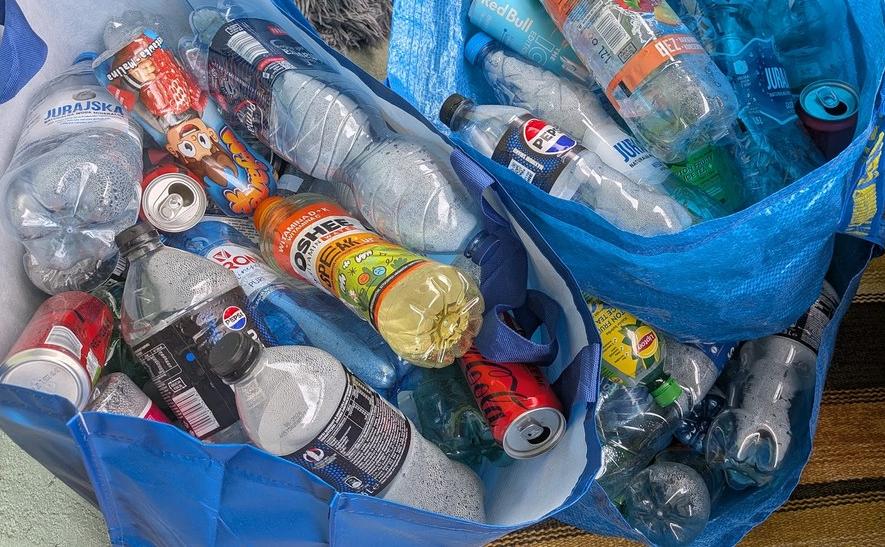
And when you collect the whole bag and drive to the market, you immediately get suspicious looks. Wholesaler? Smarty? Professional collector? Clucking and irritated sighs behind your back. The media add fuel to the fire by describing record holders with vouchers worth several hundred zlotys – as if returning the deposit for their own bottles was something suspicious. Meanwhile, I just drink water, my family drinks drinks, and there are a lot of bottles because there are five of us. No crime.
You cannot return bottle A to store B
This is another absurd barrier. I bought water in store X, but I want to return the bottle in store Y because it is closer to home. It's impossible. Store Y does not sell this brand, so the machine will not accept it. Theoretically, every store over 200 square meters is obliged to collect packaging, but in practice it only accepts the packaging it has on offer. It's a bit like an ATM dispensing only the banknotes it has previously accepted.
The situation is not improved by the fact that the Central Database of Deposit Packaging still does not include all products. You buy a drink with the deposit logo, you pay the deposit, but the vending machine does not recognize the bottle because the manufacturer did not register the EAN code. Consequences? They are borne by the consumer, not the producer.
Cash for cash? Not in this system
And here we come to the issue that probably irritates me the most. I pay for the bottle in cash. The deposit is part of the price I pay here and now, in Polish zlotys. What do I get in return when I return it? Bon. Code. Voucher to be redeemed in this one specific store. Within thirty days.
Why can't I get my deposit back in the same form in which I paid it? It's my money. I put them out at the checkout, and now the system forces me to shop at a specific place and at a specific time. It's not a refund – it's a loyalty program I didn't sign up for.
And let's try to play it in practice. I'm going on vacation with my family. On the last day, I return a bag of bottles to the local supermarket. I receive a voucher worth several dozen zlotys. Available in this store. Within a month. I get in the car, return home three hundred kilometers away and the voucher goes into the trash. Along with my deposit.
60 percent is not a success – it is an admission of a problem
Let's go back to the statistics provided by the minister. Sixty percent of the bottles were returned to the system. That means forty percent didn't come back. Given the scale of the market, these are hundreds of millions of packages for which consumers paid a deposit and did not get it back. Who makes money from this? Certainly not consumers. Certainly not the environment, because these forty percent of bottles are somewhere – in garbage cans, in yellow containers, in a ditch. However, the money stays in the system.
Minister, I do not question the purpose. I question the execution. The deposit system in Poland was launched without preparing the infrastructure, without an educational campaign worthy of this name, and without basic respect for the consumer's time and money. We are told to pay more, carry bottles like luggage, stand in queues, accept vouchers instead of cash and smile because we are saving the planet.
I'm saving. I'm happy to save. But I would like someone to save my time, my money and what's left of my patience.


