Russia is changing the rules of the game: a new law gives Putin the green light for military interventions abroad

Russia's State Duma has approved a bill that significantly expands the Kremlin's prerogatives on the use of armed forces abroad, a document that could legalize new military interventions under the pretext of “protecting Russian citizens.”
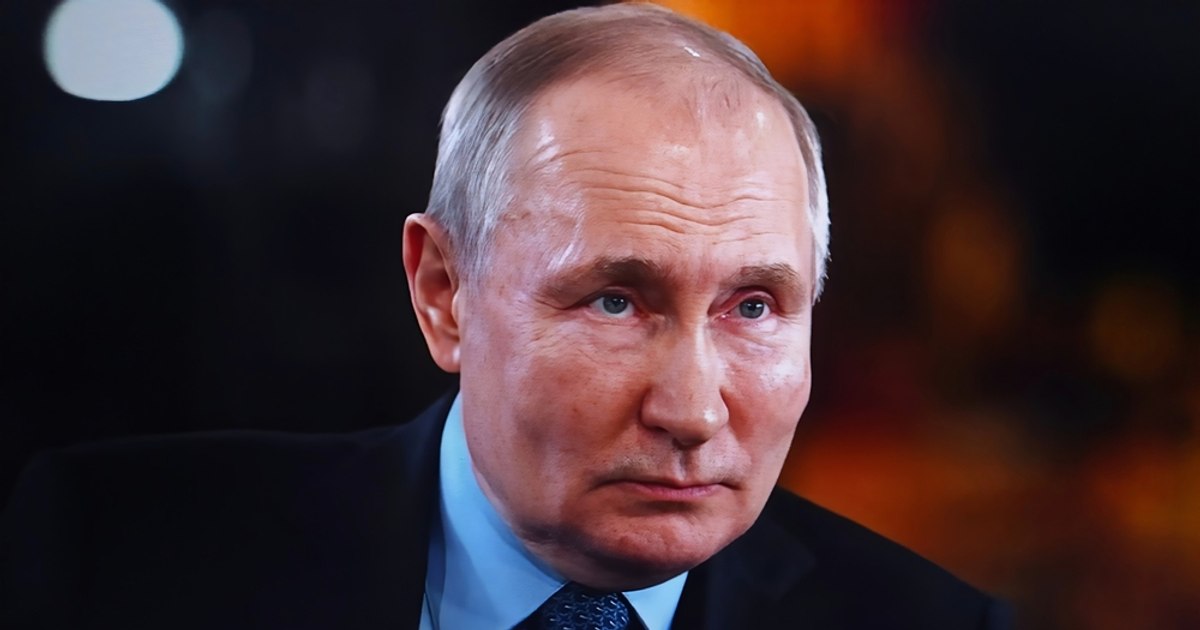
Vladimir Putin PHOTO: Shutterstock
The legislation would allow President Vladimir Putin to order the sending of troops outside the borders of the Russian Federation in situations where Russian citizens are arrested, investigated or, in Moscow's view, “abuse” by foreign states, international courts or organizations that Russia is not a part of, according to Politico.
The President of the State Duma, Viaceslav Volodin, justified the initiative by accusing the West of using the justice system as “a repressive machine” against decisions that do not align with European positions.
“Under these circumstances, it is important that we do everything we can to protect our citizens abroad,” he declared.
The draft law is to be promulgated by Vladimir Putin within 14 days.
In Kyiv, the reactions were harsh. The Ukrainian Foreign Ministry categorized the measure as a confirmation of “Russian expansionism”.
“This decision can be described in two words: aggressive anarchy,” said for the spokesperson of the Ministry of Foreign Affairs of Ukraine, Heorhii Tîhi.
“By granting himself the unlimited right to use Russian occupation forces abroad under the pretext of supposedly protecting Russian citizens, Putin is effectively admitting that aggression has become the norm of Russian state policy.” the official added.
The official argued that the new legislation normalizes the use of military force under political and ideological pretexts.
The dispute arises against the backdrop of already high tensions between Moscow and the West, in the context of the war in Ukraine.
President Volodymyr Zelenskiy previously warned that the Baltic states could become possible targets for Russia if support for Ukraine declines, but the statement was rejected by Estonian officials.