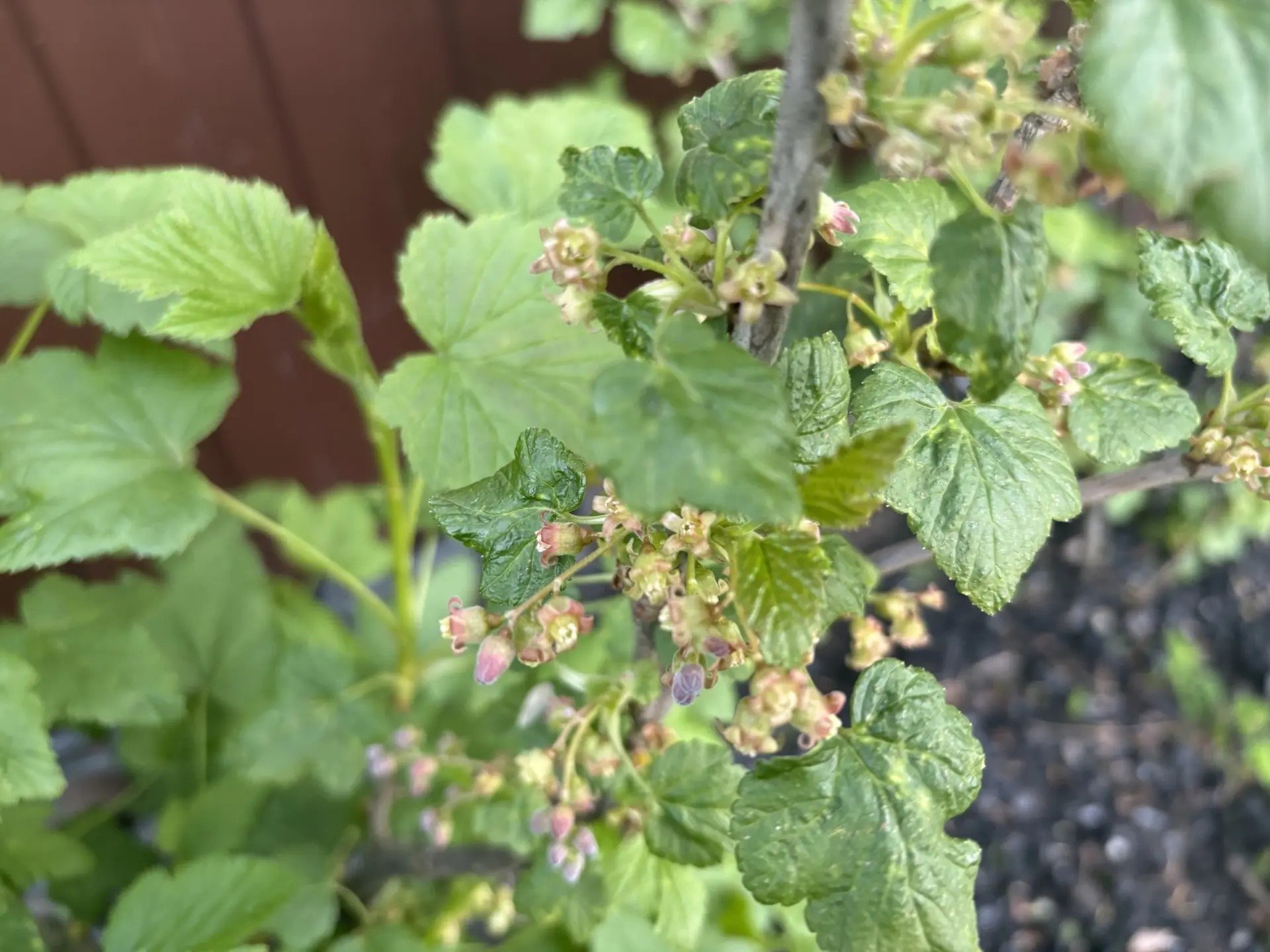
In the spring, at different stages of growth, currants require a different set of nutrients. If you add nitrogen during the flowering period, the bush will produce a lot of greenery, but there will be almost no berries. And if you are late with potassium, you can lose a third of the harvest even before the berries begin to ripen. Below is how he came up with a competent feeding system.
How to feed currants during flowering (folk methods)
Root nitrogen fertilizers at this time only bring harm – because of them, the flowers begin to crumble. It is better to use gentle homemade formulations and foliar sprays.
Infusion from potato peelings – this is not just a peel buried in the ground, but an extract. The difference is serious: the cleaning in the ground rots for too long and unevenly, and the root system receives nutrition very late. The preparation is as follows: 1 kg of dry skins is poured with 10 liters of boiling water, the container is insulated and left for 8–10 hours. Then filter and pour 3 liters under each bush.
Boric acid used for spraying on flowers: 1 g per 1 liter of warm water. Treatment is carried out in the morning on a dry, windless day. Boron promotes better pollination and strengthening of ovaries.
Yeast solution (once per season): 100 g of fresh yeast are diluted in 10 liters of warm water with the addition of a spoon of sugar, left for 3-4 hours, then diluted with water in a ratio of 1:5 and poured under the root. Yeast revitalizes beneficial soil microflora and improves the absorption of previously applied substances by roots.
Fertilizing after flowering to obtain large berries
After the petals have flown around and the ovaries have formed, the last spring feeding is applied. At this stage, proper fertilization of currants in the spring ends – then the plant can cope on its own. Potassium and phosphorus are used again, but in smaller quantities. Prepare a solution of potassium monophosphate: 15–20 g per 10 liters of water, 5–7 liters per bush.
At this time, aphids often settle on currants. Without chemicals, an infusion of tobacco dust helps to cope: 200 g per 10 liters of water, leave for a day, add a little laundry soap for stickiness and spray the bush from bottom to top – this is where this pest usually sits. In case of severe damage, treatment is repeated after 5–7 days.
Read also what fertilizing to apply in May to ensure sweet and crunchy peppers.
Based on materials from the Zen channel “Ideal Vegetable Garden” (12+).