Production will stay transferred back to Sweden, and about 80 people will lose their jobs in Poland.
Read also: A new gigantic investment in Poland. The government reveals details [TYLKO U NAS]
The Garo company, present in the Szczecin Special Economic Zone since 2012, decided to consolidate its operations in plants in Hillerstorp and Gnosjoe in southern Sweden. The process of withdrawal from our country is to be carried out in stages in 2026.
Costs and wages under the microscope
The main reason for making this drastic decision are the rising costs of doing business on the Vistula River. The company's management board directly points to the increase in remuneration, which eliminated the previous financial benefits resulting from the presence in Poland.
“Cost benefits in Poland have decreased due to rising wages,” says the company's official statement.
Additionally, Garo emphasizes changes in the production technology itself. The company's current product portfolio is no longer as labor-intensive as it used to be, which means that lower labor costs in Poland are no longer a key factor affecting the profitability of the project.
Read also: The merger of Bank Pekao with PZU is becoming less and less realistic. Politics blocks plans
Sale of property in Szczecin
The decision to move production involves the liquidation of the sales office in Germany and the production property in Szczecin being put up for sale. The Swedes estimate that they will obtain from 110 to 130 million crowns (approx. 10-12 million euros) from the sale of the Polish plant.
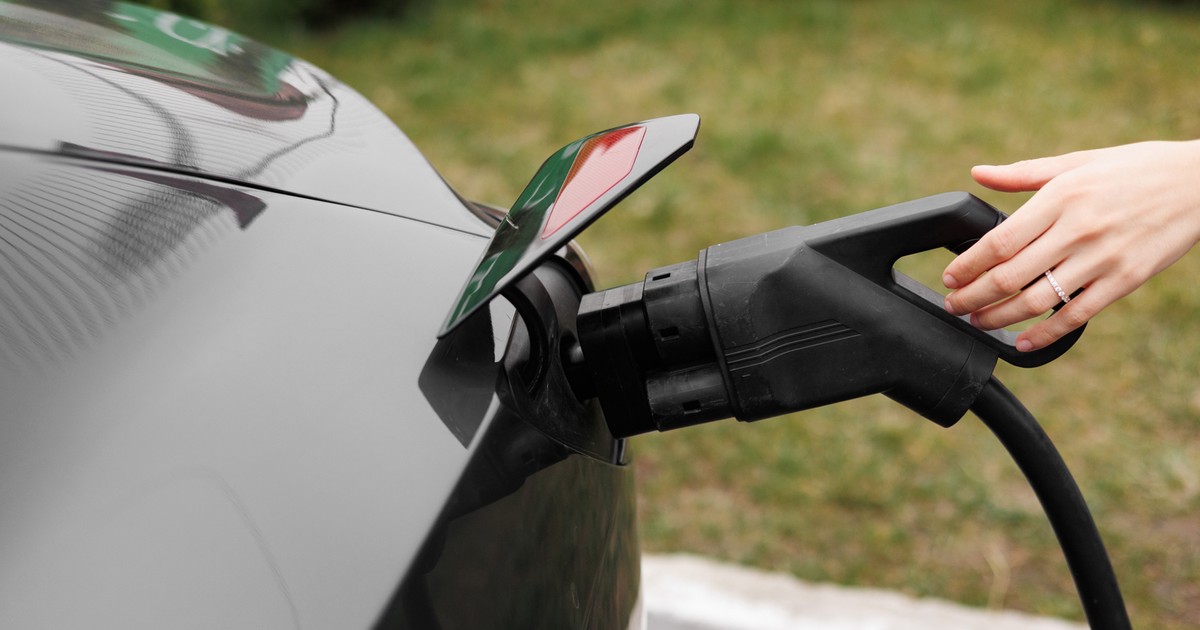
Garo is a company with a long tradition, founded in 1939 and listed on the Stockholm Stock Exchange. In addition to the infrastructure for charging “electrics”, it also produces other advanced electrical installation devices.
Trend of returns to Sweden?
Garo's case is not an isolated one. Earlier this year, another Swedish brand decided to make a similar move – Troax, a manufacturer of warehouse equipment systems. At that time, company representatives emphasized that the priority was no longer low costs, but automation and long-term stability.
Experts note that the Polish labor market is undergoing transformation. The growing wage pressure means that companies based on simple production processes are increasingly looking for savings in full automation in their own countries, instead of maintaining plants in regions that are no longer “cheap”.