
Students today walk off the stage after receiving their diploma and into a difficult job market, where economic uncertainty and AI-driven changes are putting some junior positions at risk.
However, their technological proficiency may prove to be an advantage.
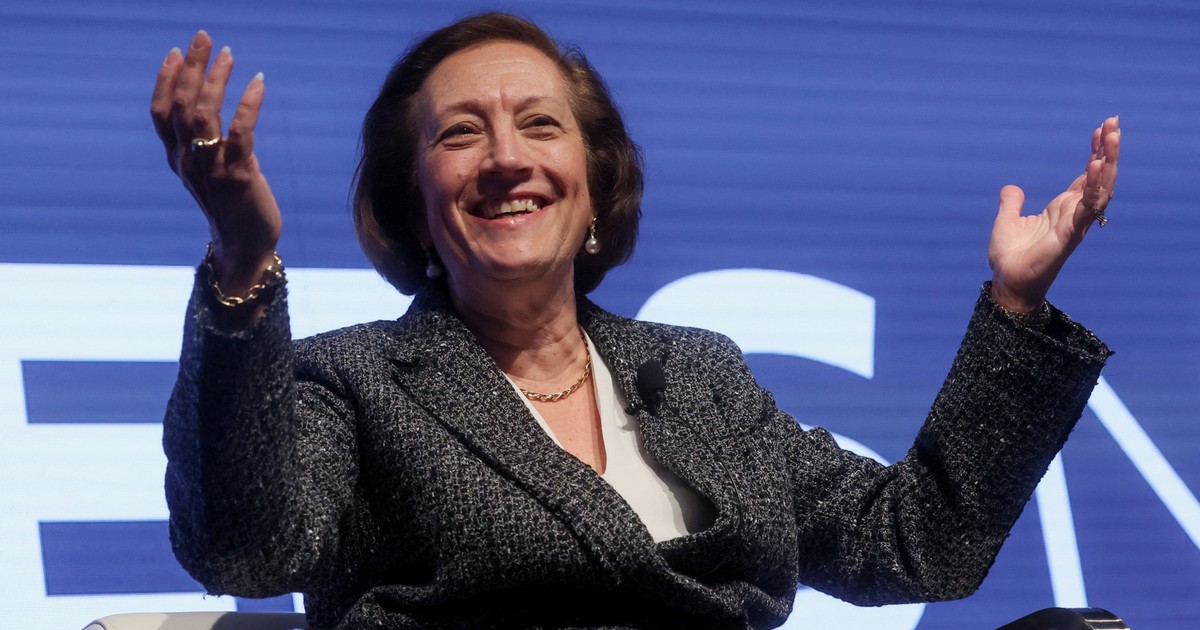
— What the new graduate brings is a digitally natural way of solving problems that many of us don't understand – says Judy Marks in an interview with Business Insider. “This is their value,” he emphasizes.
Read also: Do you want to study and then earn good money? Go for these fields of study [RANKING WOJEWÓDZTW]
Today's college graduates started their studies around the time of ChatGPT's launch and graduated in parallel with the rapid spread of AI tools.
Their innate ease with technology may give them an edge in today's market, says Marks, who runs one of the world's largest elevator companies.
— From day one, they will implement technologies faster than we have ever done before and will have a real impact on change says Marks.
He adds that graduates should remain open, flexible and use their voice in the workplace.
“You're part of this organization for a reason,” Marx suggests. — Add value and change things for the better – he adds.
Each generation had its challenges
While the job market may seem bleak amid warnings about the end of office work, Marks has some words of encouragement.
“We all entered the job market in times of change,” notes CEO Otis. — So don't let this get into your head — appeals to young people.
People looking for their first job face real problems. According to the New York branch of the Federal Reserve, the unemployment rate among new university graduates increased to approximately 5.7% at the end of 2025, compared to approximately 5.3%. in the third quarter. At the same time, the percentage of graduates working in positions that do not require higher education has reached its highest level since 2020 – 42.5%.
Still, earlier cohorts of graduates also faced their own set of difficulties — from the 2008 financial crisis and the pandemic to last year's tariff threats that disrupted companies' growth prospects.
Marx, which today leads a company with a market capitalization of $28.39 billion. and employing approx. 72 thousand employeesbuilt her career in an industry strongly dominated by men – at a time when there were even fewer women in it. She said although the experience is different today, entering the workforce as a newcomer has always had its challenges.
On the positive side – Today's graduates don't have to feel locked into one rigid career path because jobs are likely to change constantly.
— Who knows what career paths you will choose? Don't worry about it says Marks, adding that young graduates shouldn't be overly concerned about career pace expectations.
Read also: Four people who changed their careers to work with AI. Here's how they did it
Instead, Otis CEO suggests they create their own career path while continuing to work hard.
— Hard work still matters – he convinces.
The above text is a translation from American edition of Business Insider


