The Trump administration tightens the noose around Cuba: Massive deployment of US air and naval forces to the island's borders

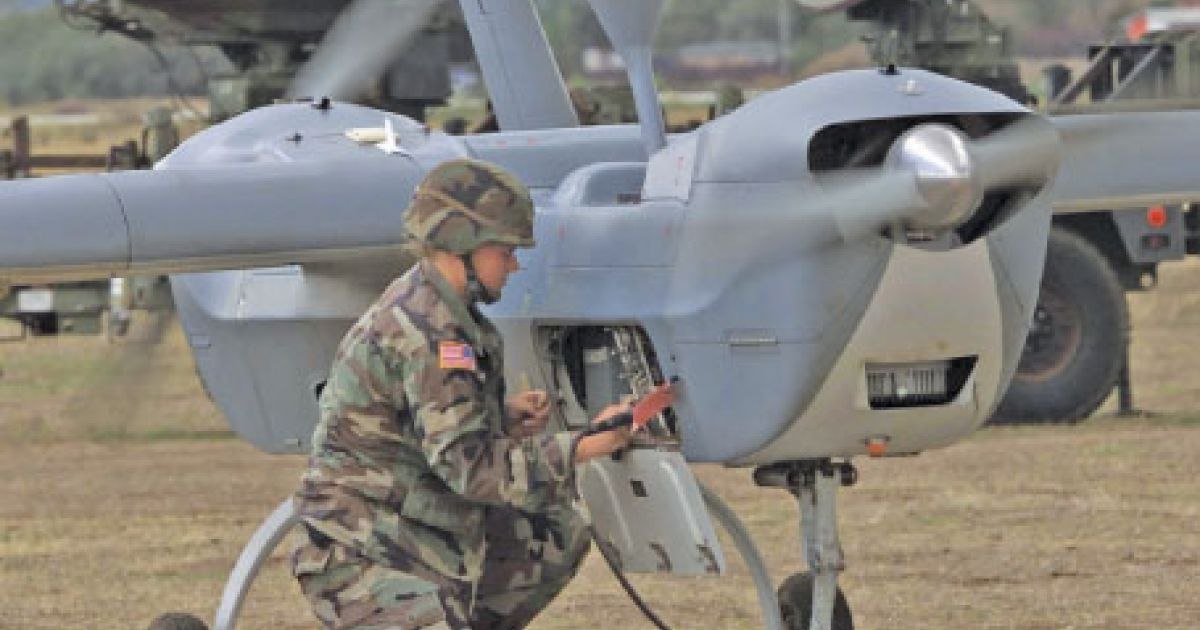
Washington has mobilized an impressive arsenal of at least 25 military aircraft and drones to monitor Havana's strategic points. The move confirms the hard line of the White House, which aims to erode the communist regime through constant military and economic pressure.
American surveillance drone/PHOTO:X
The United States has moved to a new stage of confrontation with the regime in Havana, intensifying reconnaissance missions in the vicinity of Cuban territorial waters without precedent. According to data provided by air traffic monitoring platforms and confirmed by military sources cited by CNN, the Pentagon has operated, since February 4, 2026, no less than 25 spy flights executed by the US Navy and the US Air Force.
The information offensive: Havana and Santiago de Cuba, under the Pentagon's magnifying glass
The American operation is not just a routine one, but a show of technological might. Washington is using a mix of manned aircraft and state-of-the-art drones to scan the island's critical infrastructure.
Analyzes show that the main targets of surveillance are the capital, Havana – the nerve center of political power – and the strategic port of Santiago de Cuba, the second largest city and a logistical hub essential to the economic survival of the regime.
Data extracted from monitoring services, such as FlightRadar24, indicate a “tactical anomaly”: if until the beginning of this year such flights were sporadic and discreet, now the American presence in the airspace bordering Cuba has become an aggressive constant.
Trump's strategy: From sanctions to monitored “asphyxiation”.
This military escalation bears the unmistakable stamp of Donald Trump's second term. The White House appears determined to end 67 years of one-party rule on the island, using a complex mechanism of pressure: sanctions are calibrated to cut off the government's vital financial flows, the stated goal is the political transition to a democratic model, and the use of advanced technology to anticipate any movement of Cuban security forces.
Recently, Secretary of State Marco Rubio – himself a fierce critic of the regime in Havana – laid out the situation in an unequivocal statement: the current status-quo is “unacceptable” for the security interests of the United States, and Washington has the firm intention of forcing a radical paradigm shift in the Caribbean basin.
It remains to be seen how Havana will react to this methodical “asphyxiation”, as the constant presence of US drones on the horizon has become a silent but resounding warning that the old guard's time may be running out fast.