If you plant tomatoes in the ground strictly on certain dates, the bushes will freeze in place. In fact, you need to check if the soil is ready. There are two screening tests to get the timing right.
Ground temperature
The minimum temperature at which the tomato root begins to eat and drink water normally is plus 14–15 degrees. If it is colder, the seedlings do not grow, even if they look vigorous. It is enough to stick your finger into the ground to a depth of 10 centimeters and hold for ten seconds. The earth should feel warm—not cool or neutral. If your hand is cold, it is too early to plant.
Another way: pour a glass of water at room temperature into the hole. If the water drains slowly and smells damp, you should wait.
Moisture and structure
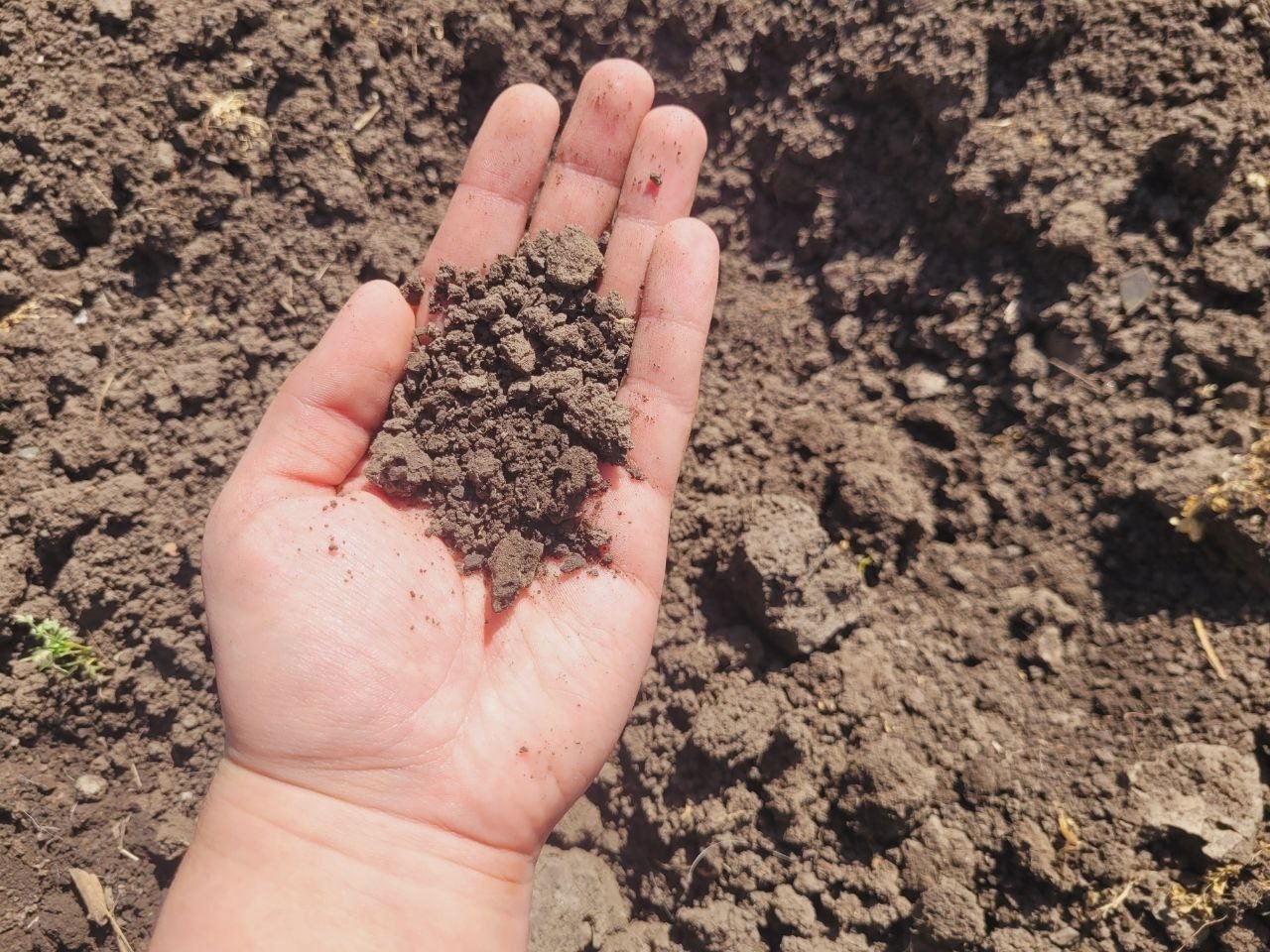
The author of the Zen channel “About Fazenda. Country Life” (12+) checks the structure like this: he takes a handful of earth from the depth of the bayonet of a shovel and squeezes it in his fist. Then he opens his palm and looks. If the lump holds its shape and does not stick to your hand, you can plant it. If the soil smears and leaves a wet mark: it is better to wait three to four days. If the lump crumbles by itself: the soil is a little dry, but for tomatoes this is even better than overwatering: when planting, just water it.
“In my practice, the most difficult option is heavy clay soils after the May rains. They retain moisture for a long time, but on top they already seem dry. A finger is 2 centimeters dry, 10 centimeters is wet clay. I always check at depth, and not on the surface,” shares the summer resident.
If the ground is ready and frost is still possible
Spunbond with a density of 30–60 g/m² protects seedlings down to minus 3–4 degrees – this is enough for most May frosts. The film retains heat better, but condensation accumulates under it, and it needs to be opened during the day.
Many people underestimate an important point. Seedlings that have fallen into warm and properly prepared soil tolerate short-term frosts much easier than those that have stood in cold soil for weeks without shelter. A warm root gives the plant a margin of safety.