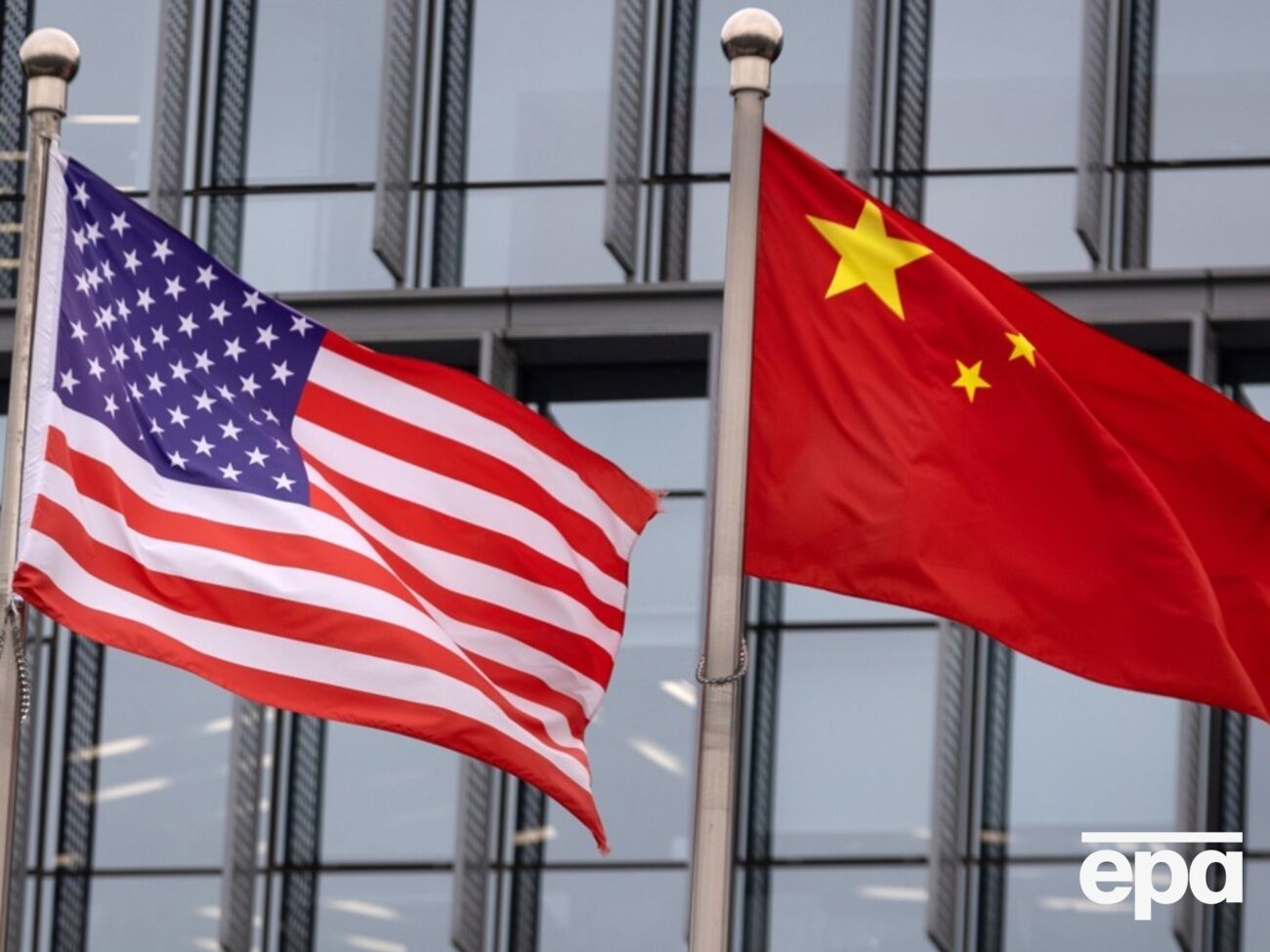
In China, sentiments of self-superiority are growing amid the belief that the United States is experiencing a period of decline, writes political scientist and columnist for The New York Times Yanzhong Huang on May 10.
The narrative about the “decline of the United States” is actively spreading on social networks and state media. As the author writes, this increases Beijing’s confidence in its own positions and may push the Chinese authorities to take a tougher line in relations with Washington.
One symbol of this rhetoric is the viral meme “American Death Line,” a video game expression used in China to describe the supposedly precarious situation of Americans living “on the edge” due to debt, illness and high expenses. Although crime rates in the United States remain among the lowest in decades and the American economy remains vastly superior to China's, the image of a “weakening America” is becoming increasingly popular among the Chinese.
According to the author, such views are fueled both by China's internal problems – a slowing economy, a real estate crisis and rising unemployment – and by state propaganda. Chinese state media regularly highlight crises and political conflicts in the United States, and nationalist bloggers and pundits promote a narrative of Chinese superiority.
Against this background, the Chinese leadership perceives US pressure less and less as a threat requiring concessions. On the contrary, Beijing believes it can use its advantages – such as control over the supply of rare earth metals, green energy technologies and pharmaceutical components – as a tool for leverage in trade and geopolitical disputes.
The author warns that rising nationalist sentiment in China could complicate relations between countries, including around Taiwan and the South China Sea. As a way to reduce tensions, he suggests that the United States should be more active in restoring humanitarian and educational contacts with China, including simplifying visas for students and developing academic exchanges.