Google, Microsoft and xAI they agreed to provide Center for AI Standards and Innovation (CAISI) of the US Department of Commerce access to their AI models before their public releasereports Bloomberg. Also OpenAI and Anthropicwhich had existing evaluation partnerships with CAISI extending into 2024, renegotiated their contracts to align them with the priorities of Trump's AI roadmap.
Contracts mean that now every major US AI pioneer company has voluntarily agreed to government pre-release testing of its AI models. According to the Department of Commerce, CAISI has conducted more than 40 model evaluations to date, including evaluations of unpublished, state-of-the-art systems.
US wants access to AI models before publication
|
AI
New CAISI agreements came a day after reports that the Trump administration was considering implementing a mandatory process through an executive order to review AI models before they are released. The voluntary agreements announced on Tuesday, as well as any potential mandatory review framework, will run in parallel, although it is unclear how they will link together.
The administration's efforts to shape AI policy have accelerated since Anthropic announced last month that its heralded Mythos model was successfully detecting cybersecurity vulnerabilities. White House Chief of Staff Susie Wiles, Treasury Secretary Scott Bessent and Cybersecurity Director Sean Cairncross became more involved in Mythos-related activities, and The White House has already expressed opposition to Anthropic's plan to expand access to this model.
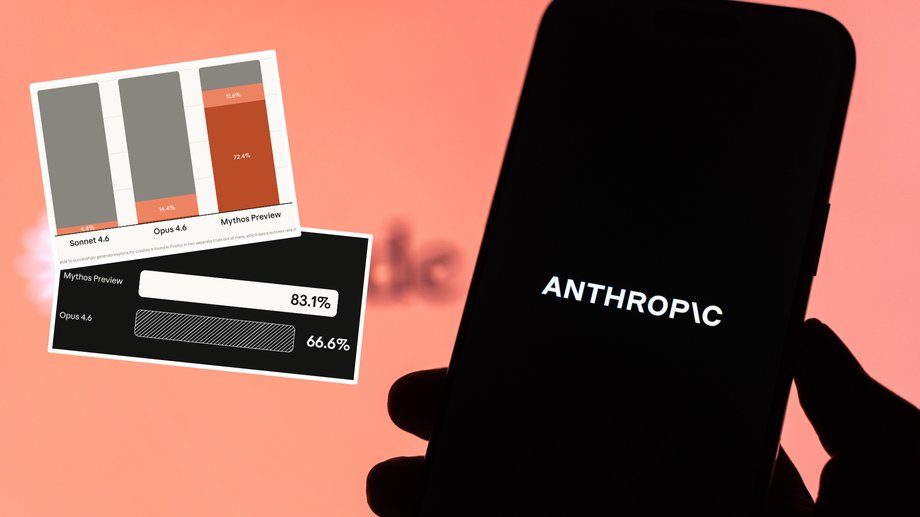
Claude Mythos Preview is the latest model from Anthropic
|
Stockinq, Anthropic / Shutterstock
Change of power – change of rhetoric
CAISI operates under NIST (National Institute of Standards and Technology) and was originally established in 2023 under President Biden as the AI Safety Institute. However, last June, the Trump administration changed the entity's name to the Center for AI Standards and Innovation.
Commerce Secretary Howard Lutnick called this change moving away from what he called regulations “used under the guise of national security”. Despite the change in rhetoric, the center's core function has remained largely the same: assessing pioneering models in cybersecurity, biosecurity and chemical weapons risks.
CAISI – Center for AI Standards and Innovation
|
Kaustuv Basu/Bloomberg Government
The center still has no permanent legal status, and some lawmakers have introduced bills to codify it, but nothing has been enacted. Trump's AI Action Plan, announced last July, directs CAISI to serve as part of the AI evaluation ecosystem and lead assessments of models related to national security. It also directs regulators to consider the use of evaluation when applying existing law to AI systems.
“This expanded industry collaboration helps us scale our work in the public interest at a critical time,” new CAISI director Chris Fall said of the new agreements. Fall took over after previous CAISI director Collin Burns, a former Anthropic and OpenAI researcher, was fired just four days after starting the job. Even though Burns moved elsewhere in the country and gave up his stake in Anthropic to take the position. As the Washington Post reported last month, White House officials were concerned about Burns' ties to Anthropic given the U.S. administration's ongoing dispute with the company since March.
Big Tech companies and Anthropic investors are trying to calm down the startup's conflict with the Pentagon
|
Ivan Cholakov / Ascannio / Shutterstock
- Also reads: Anthropic didn't sell the human surveillance technique, so the Pentagon blacklisted the company. Justice Made in the USA
The White House wanted to use artificial intelligence from Anthropic to mass surveillance of people and in autonomous weapons that make decisions without human intervention. However, when the company refused, The Pentagon has deemed Anthropic a supply chain threat and has blacklisted companies that pose a threat to national security (due to which other American companies would have to end their cooperation with it) and called the company “radical leftist and WOKE” because it refused to provide access to the AI model that he wanted to use, even though he had previously used its other systems.
OpenAI has established cooperation with the Pentagon. The creators of ChatGPT took the place of Anthropic
|
Aleksandar Malivuk, own editing / Shutterstock
A federal judge later called the move “Orwellian.” Both Defense Secretary Pete Hegseth and Trump have outlined a six-month phase-out of Anthropic tools from government use, and two ongoing lawsuits remain unresolved.
The dismissal of Burns, the illegal blacklisting of Anthropic and the forced renegotiation of the contract are squarely in line with the hostile set of pressure and blackmail applied by the US federal government to the company. This shows what could threaten companies for not expressing it voluntary consent.
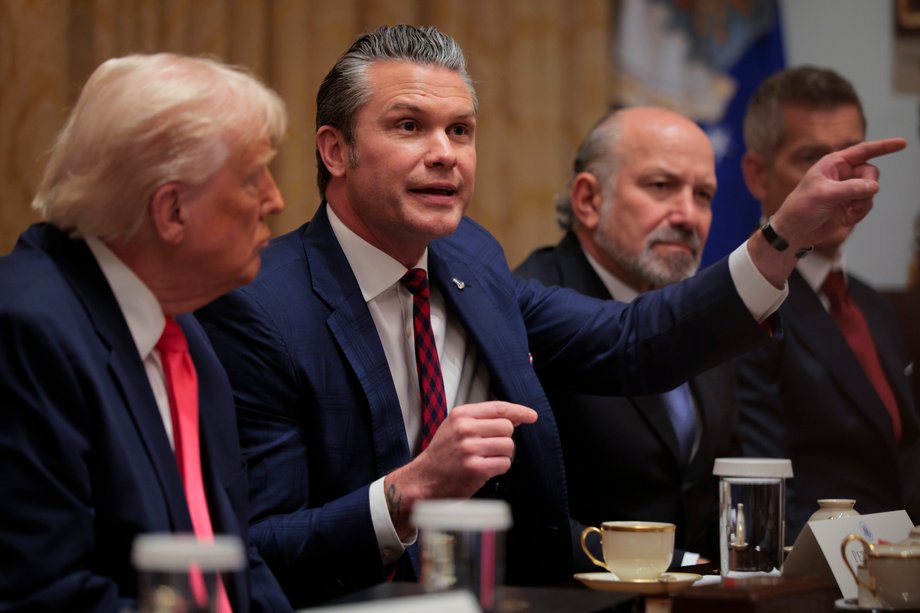
US Secretary of War Pete Hegseth
|
GettyImages
Picture of the situation
The US is building an informal certification system for leading AI systems and forcing companies to provide government administration access to their AI models before their public release. Companies choose “voluntary” cooperation instead of tough regulation and potential retaliation from the government administration. Models with surveillance and offensive potential (cyber/bio) are a flashpoint. The Trump administration is beginning to shift from “minimum regulation” to “security control and military application without inhibiting the market.” This is reminiscent of the very early stages of nuclear energy regulation.