Poland and Russia cannot stop arguing about history [KOMENTARZ]

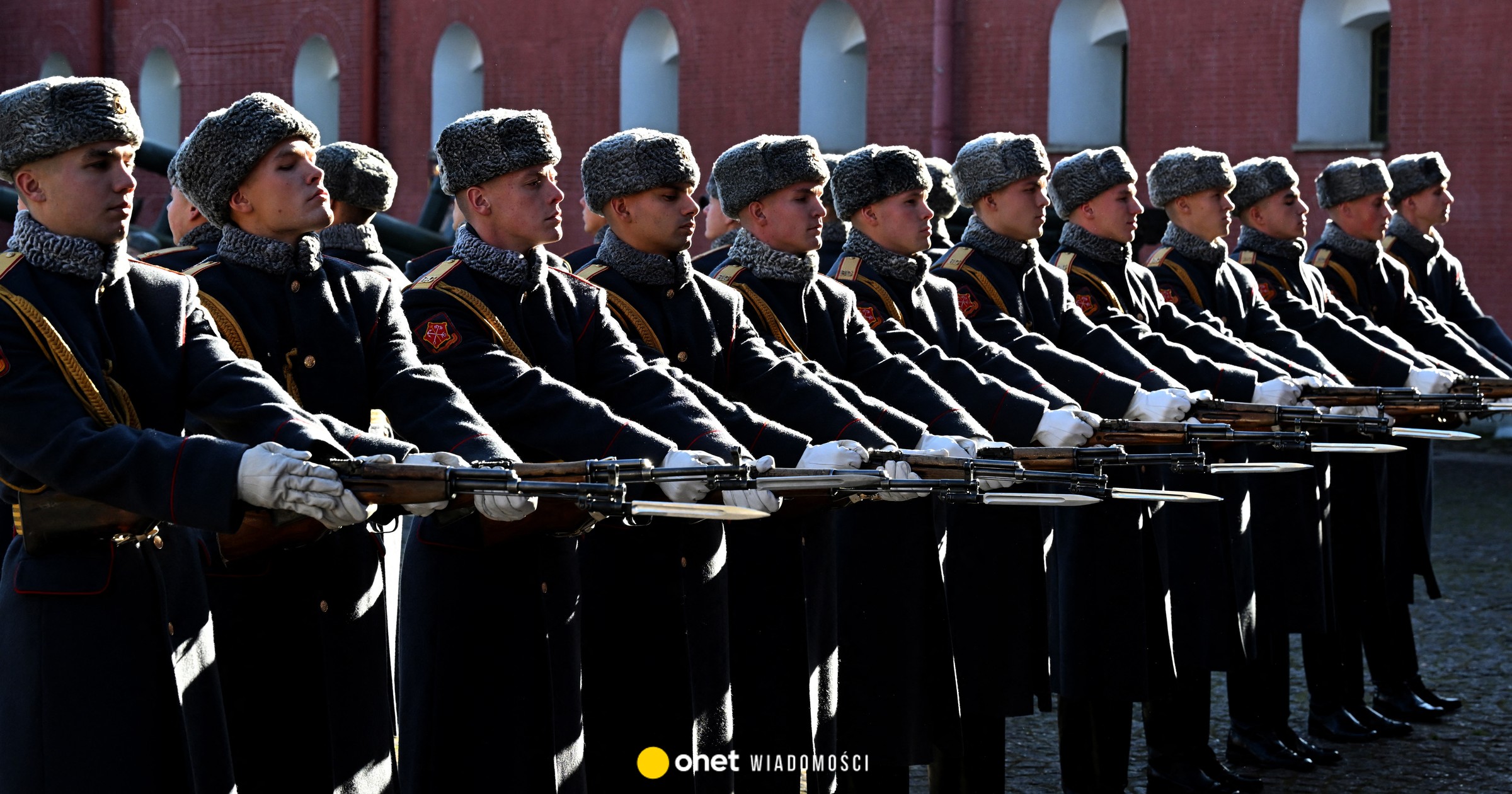
In Poland, Soviet soldiers are perceived as oppressors. In Russia, Poles are presented as eternal enemies.
It is a dispute in which concepts such as memory, historical trauma and patriotism are present. During a recent trip to Poland, reporters from The Moscow Times asked experts about this conflict – and learned how important it is.
— History is very important in broadly understood Polish culture, said Floris van Berckel Smit, an expert in the field of applied history who conducted field research in Poland. “It is deeply rooted in society, which is why Polish politicians must take these historical sentiments into account.”
One of the more visible examples of these sentiments is the liquidation of Red Army monuments in Poland. This process began in the 1990s, during the initial period of the country's departure from communism, when Soviet street names were also changed. 10 years ago, the Act on the decommunization of public space was passed, which regulated the process of removing public facilities promoting the “totalitarian system”.
A poll conducted shortly after the invasion began showed that 97 percent Poles have an unfavorable opinion of Russia.
— In our memory in Poland, in our activities, we focus on the history of the 20th century, says Piotr Długołęcki, a historian from the Polish Institute of International Affairs (PISM), in an interview at the PISM headquarters in the center of Warsaw.
As he said, for over a century, Poland's relations with Russia have been among the most important and sensitive – next to relations with Germany and the Jewish nation.
— These areas of history arouse emotions in Poland and are very important for Poles, for Poland as a country, for our society and our nation, he says.
Poland's relations with Russia have not always been toxic. Długołęcki reminds that before the invasion of Ukraine, Polish and Russian historians maintained close contacts. Although interpretations of history varied greatly, at least there was dialogue. As an example, he pointed to the adjacent room – a large conference room where PISM hosted Russian scientists.
When asked whether he imagines something like this could happen again, Długołęcki is cautious. — After the end of the war, in the future, we will be able to do something new, he says. “But I don't think so at this point.”
“In Russian public discourse, Poland has been one of the greatest enemies for several decades.”
Russia has interpreted the reexamination of history in Poland and the Baltics as an attack on its reputation as the liberator of Europe, a deep source of national pride. A Russian Foreign Ministry report published last year condemned the destruction of monuments and said Poland was spreading the myth of “double occupation” by Nazi Germany and the Soviet Union.
In one recent case, considered particularly egregious in Poland, officials in Russia organized an exhibition on “Polish Russophobia” at the Katyn massacre memorial complex in the Smolensk region.
A massacre in which the Soviets murdered 22,000 in 1940. Poles, is for Poles one of the most tragic events of the war. In a very symbolic gesture, the State Duma of Russia officially recognized in 2010 that the order was issued personally by Joseph Stalin.
According to Sergei Medvedev, a historian and professor at Charles University in Prague, the purpose of such a brazenly hostile move as the Katyn exhibition is multidimensional.
On the one hand, this allows Russia to propagate the view of World War II that “Russia was the only victim and the combined forces of Europe, including Poland, led to this war,” as well as to “whitewash the crimes” of the Soviet Union's secret police. Such actions are also intended to mobilize voters in Russia, inciting them against Poles. — Putin's fight is a fight for history, for minds, for the interpretation of history, says Medvedev.
Bartłomiej Gajos, a historian and expert on Polish-Russian relations, presents an even more severe assessment, calling Russia's actions “psychological preparation of Russian society in the event of a war with Poland.”
“There are different points of view on this matter”
Standing in a park in Maszewo in northern Poland last December, Karol Polejowski, deputy director of the Institute of National Remembrance, said that “there is no place for Soviet facilities in a free Poland.” The excavator then knocked the old pillar to the ground. It was a monument erected in 1947 to commemorate the liberation of the city by the Red Army.
“We say 'no' to the Soviets, objects of propaganda, Russians who believe that these lands somehow belong to their sphere of influence,” Polejowski said.
The Institute of National Remembrance is leading decommunization activities. The organization declined to make its experts available for an interview or to answer questions for this article. As for Russia, it has a clear policy: Soviet monuments must be destroyed.
Although most Poles share this general sentiment, not everyone agrees with this uncompromising approach.
— There were debates in Poland that we should present [pomniki]regardless of the past, regardless of the values they carry, says Gajos. “There are different points of view on this matter.”
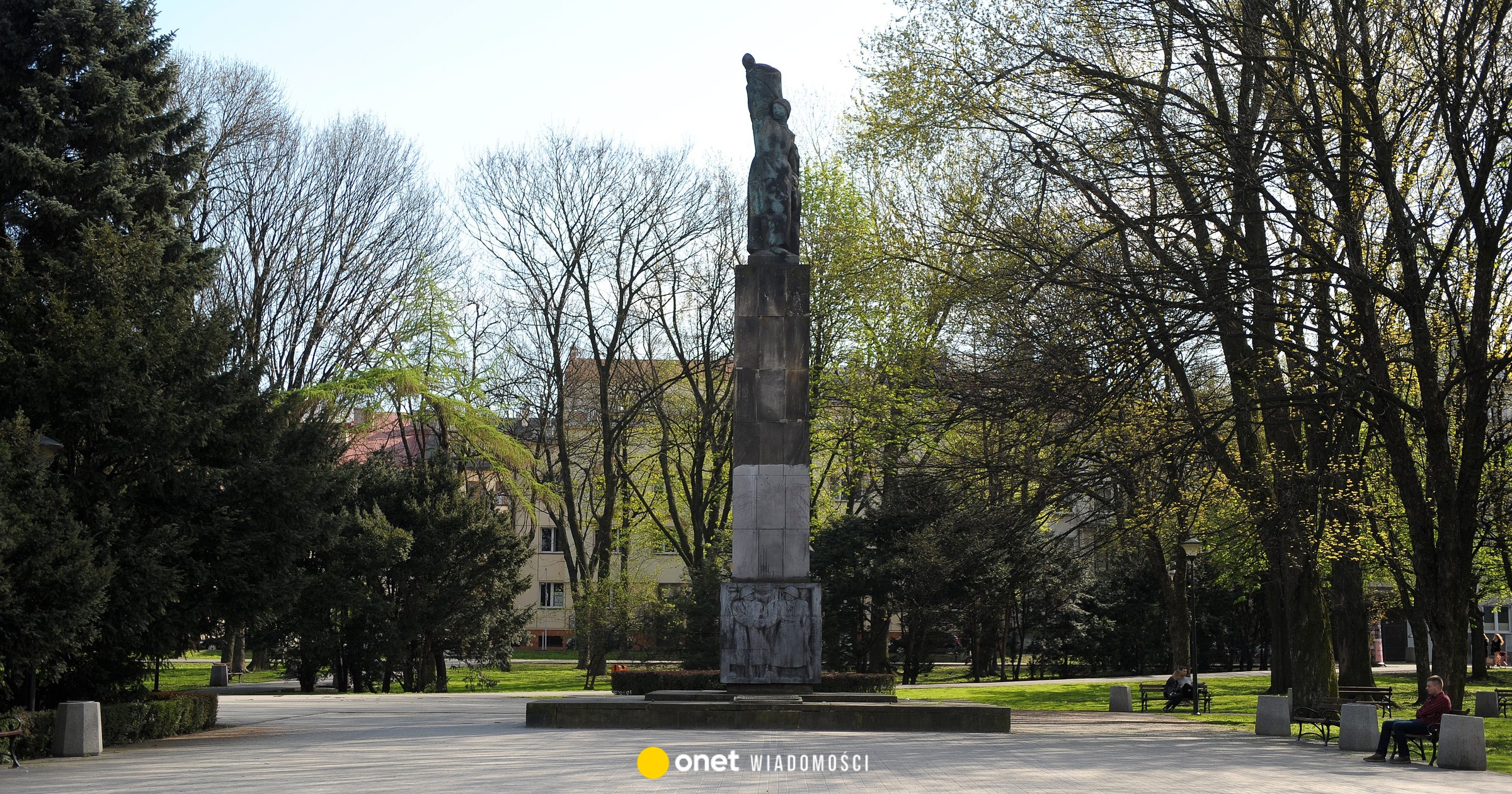
The monument in Rzeszów is a good example of this. The Institute of National Remembrance wants to demolish it, but – according to local media – the city authorities plan to simply remove it from public space, keeping some of its elements elsewhere.
Recently, after years of disputes, the Institute of National Remembrance and the city seemed to have reached an impasse. In February, the Institute of National Remembrance published an extensive statement presenting its position.
“Placing him [pomnika] elements in a war cemetery maintained by the Polish state would be contrary to the idea of decommunization because it would make them inviolable under the law,” the Institute of National Remembrance said.
Some argue that there are better solutions to commemorate the past without glorifying it. In Lithuania, for example, many Soviet monuments that once dominated public space are gathered in one place – a sculpture garden.
Gajos said this is the model he likes better. – I would remove them [pomniki] from public space, but I wouldn't destroy them, he says. “It's part of history.”