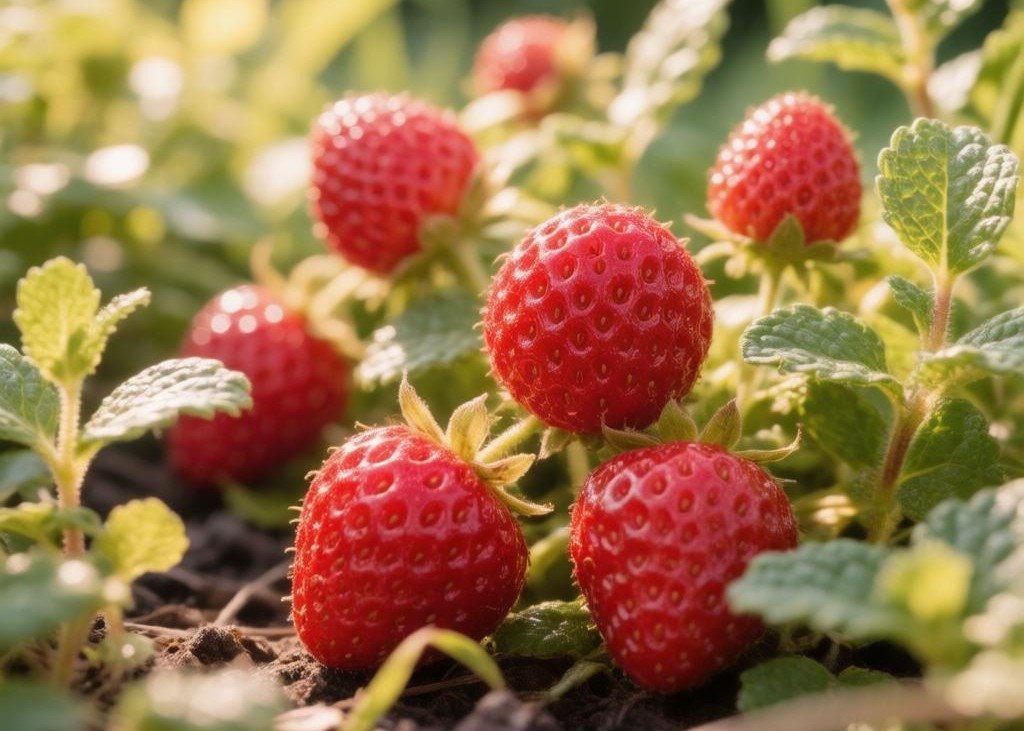
At the beginning of May, garden strawberries actively grow foliage and produce their first flower stalks. It is during this period that culture is especially sensitive to external conditions. Ignoring basic procedures leads to weakening of plants and a decrease in the quality of future fruits. The author of the Zen channel spoke about how to properly prepare beds for flowering and protect plantings from spring frosts.
What to do:
- Clean the beds: Remove last year's dry leaves and old mulch that prevent the soil from warming up. This will reduce the risk of developing gray rot and allow air access to the root system.
- Feed: Apply a complex fertilizer with a predominance of nitrogen or water with nettle infusion. Plants need resources to form strong flower stalks and a powerful root system.
- Water: Strawberries require even moisture, especially before flowering. Apply water strictly at the root, avoiding dripping on the leaves and buds.
- Protect against disease: Inspect bushes for signs of powdery mildew or spotting. At the first symptoms, treat the plantings with safe biological products or whey solution.
If you pay due attention to strawberries in May, by mid-summer you will notice how the bushes become stronger, and the fruits are filled with juice and aroma. Competent care guarantees stable and tasty results throughout the season.
Question and answer:
When is the best time to remove old mulch from strawberry beds?
The optimal time is mid-May, when the soil has completely warmed up and the threat of return frosts has passed. Early harvesting can lead to freezing of young roots.
Do I need to cover the beds during spring frosts?
When the temperature is predicted to drop below zero, the plantings are covered with spunbond or agrofibre. The shelter is removed immediately after the onset of stable heat to prevent overheating.