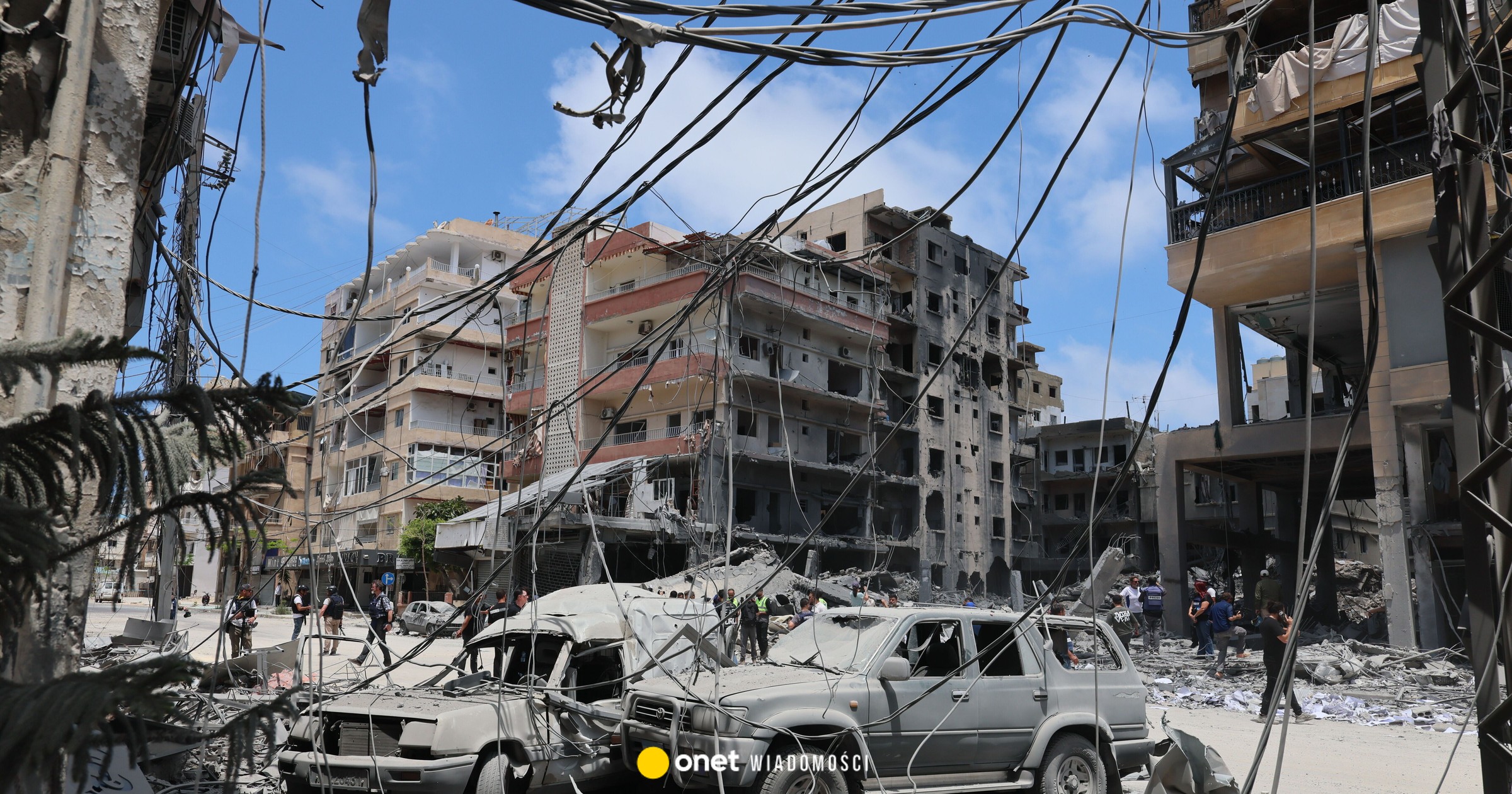
Iran hit wider range of US military assets in Middle East than reported, analysis of satellite imagery shows

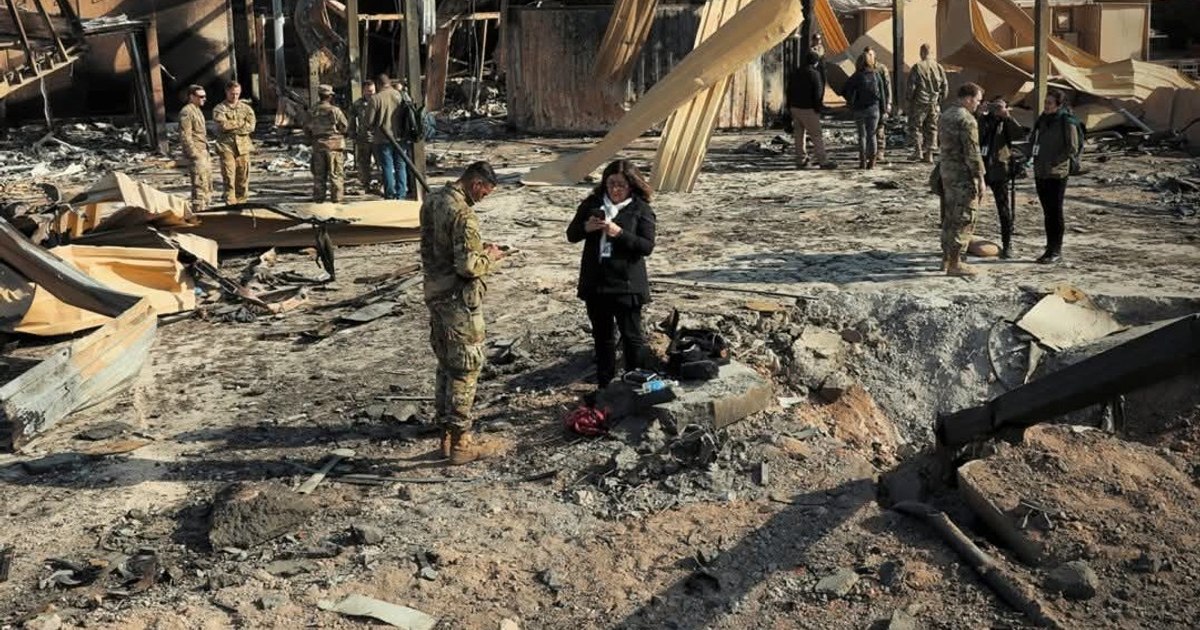
Airstrikes attributed to Iran have damaged or destroyed at least 228 structures and equipment at US military bases in the Middle East since the start of the war, according to an analysis by The Washington Post based on satellite images. The level of destruction is considerably higher than that publicly acknowledged by US authorities or previously reported.
Damage to an American base in the Gulf PHOTO Archive
According to the analysis, hangars, barracks, fuel depots, aircraft, as well as essential radar, communications and air defense systems were hit. Because of the high risk of attack, some US bases have been deemed too dangerous to operate at normal capacity, and much of the personnel has been relocated out of range of Iranian forces, according to officials.
Since the start of the conflict on February 28, seven US service members have died in attacks on facilities in the region – six in Kuwait and one in Saudi Arabia – and more than 400 have been wounded by the end of April, according to US military data. Most of the injured quickly returned to work, but at least 12 cases were classified as serious.
Access to high-resolution commercial satellite imagery is currently limited after two major providers restricted their release at the request of the US government. Instead, media outlets close to the Iranian state have consistently published images purportedly showing damage to American bases.
The Washington Post analyzed more than 100 satellite images published by Iranian sources and verified the authenticity of 109 of them by comparing them with images provided by the European Copernicus satellite system and other operators. 19 images were excluded from the analysis due to being inconclusive, but no evidence of manipulation was identified.
In total, the American publication identified 217 structures and 11 equipment destroyed or damaged at 15 US military bases in the region. Experts who analyzed the data believe the scale of the damage suggests an underestimation of Iran's strike capabilities and insufficient adaptation to new forms of warfare, including the use of drones.
The attacks targeted critical equipment, but also soft targets such as common spaces, experts say
“The Iranians have deliberately targeted accommodation buildings in multiple locations with the intention of causing mass casualties,” commented William Goodhind, a researcher with the Contested Ground research project, which analyzed the images. “Not only are equipment, fuel depots and air base infrastructure being targeted, but also vulnerable targets such as gyms, canteens and accommodation buildings.”
Among the targets affected are satellite communications facilities in Qatar, Patriot defense systems in Bahrain and Kuwait, as well as energy facilities and fuel depots.
More than half of the damage analyzed by WP occurred at the headquarters of the 5th Fleet and at the three bases in Kuwait – Ali al-Salem Air Base, Camp Arifjan and Camp Buehring. Camp Arifjan is the regional headquarters of the US Army.
How Iran managed to strike where the Americans seemed invincible. The inconvenient truth for Trump: “This shows misjudgment”
Some countries in the Persian Gulf have refused to allow the US military to conduct offensive operations from their bases. A US official said bases in Bahrain and Kuwait were among the worst hit, possibly because they allowed attacks from their territory, including the use of High Mobility Artillery Missile Systems (HIMARS), which can launch missiles more than 310 miles away.
US Central Command declined to comment on the findings of the analysis, but disputed the characterization of the destruction as extensive and emphasized the complexity of assessing damage in such situations.
High costs of interceptors
Experts say that although the strikes were accurate, they did not significantly affect the US military's ability to conduct air operations in Iran. However, the high costs of intercepting missiles and drones, as well as the vulnerability of fixed infrastructure, raise questions about long-term military strategy.
The strikes were extremely accurate, noted Mark Cancian, an adviser at the Center for Strategic and International Studies and a retired Marine Corps colonel. “The Iranians hit with precision. There are no random craters to indicate misses,” he says.
Air defenses have been able to intercept many of these attacks, but that success has come at a high cost, consuming large numbers of interceptors, experts say. According to an estimate by the Center for Strategic and International Studies, the US military used at least 190 THAAD interceptors and 1,060 Patriot interceptors between February 28 and April 8, representing 53% and 43% respectively of their pre-war stockpiles.
In addition, analysts believe that the vulnerability of US bases has been amplified by the lack of sufficiently fortified shelters and insufficient adaptation to the use of attack drones, a type of weaponry that has proven difficult to intercept. A military expert, Decker Eveleth, an analyst at the Center for Naval Analyses, pointed out that these systems “have small payloads, but they are much more accurate and harder to intercept, which makes them a much greater threat to US forces.”
Experts said the vulnerability of military bases to Iranian attacks is likely the result of several factors.
Among them, experts noted first that Iranian forces have proven to be more resilient than the Trump administration would have anticipated. Kelly Grieco, a senior fellow at the Stimson Center, a think tank, pointed out that plans to destroy Iran's missile and drone forces quickly enough to prevent them from causing serious damage underestimated “the depth of Iran's pre-positioned targeting intelligence on US fixed infrastructure.”
Some attacks also appear to have exploited structural vulnerabilities, such as co-locating aircraft. In one case, a command and control aircraft was reportedly destroyed after being repeatedly parked in the same unprotected area.
A US official said damage at the 5th Fleet headquarters in Bahrain was “extensive” and that activities had been relocated to the United States at the MacDill base in Florida, suggesting a quick return of personnel to the region was unlikely. Other military sources indicated that some bases may no longer be used on a large scale in the future.