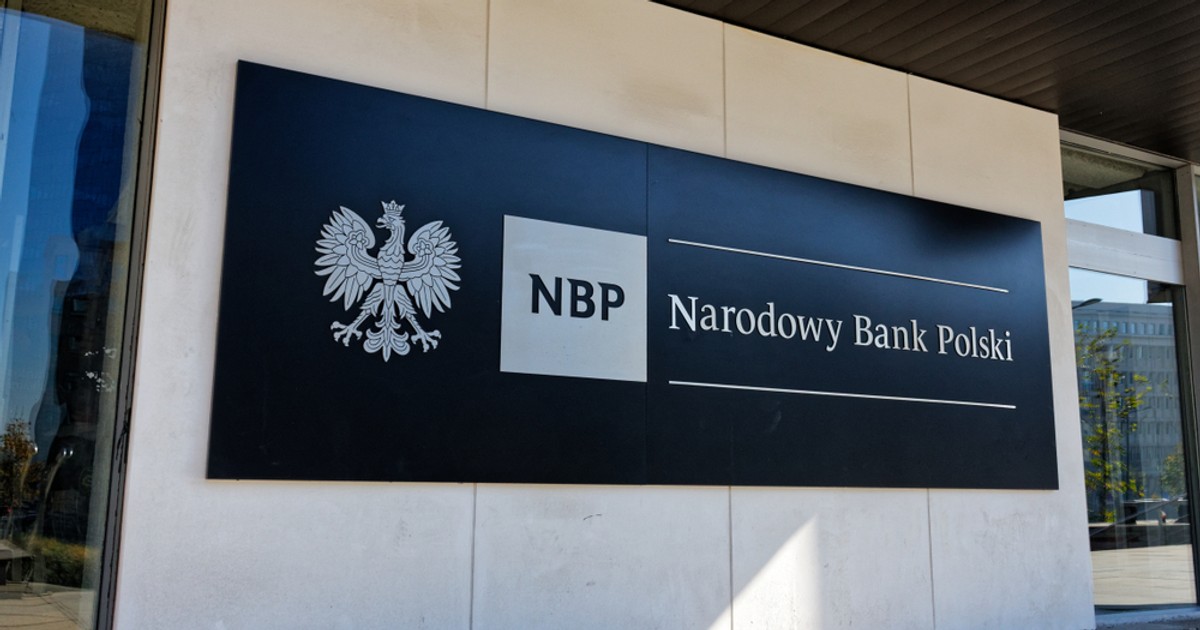
A two-day meeting of the Monetary Policy Council begins on May 5, during which a decision on NBP interest rates will be made. The decision will be announced on Wednesday, May 6. The steps taken by the Monetary Policy Council may translate into the finances of both borrowers and the entire financial market.
The market expects that the Monetary Policy Council will leave interest rates unchanged at its May meeting. A new factor that national monetary authorities may take into account is the attitude of major central banks. Last week, the European Central Bank left rates unchanged, but signaled the possibility of a rate increase in June.
Will interest rates fall in May 2026? MPC decision soon
This year, the Monetary Policy Council reduced interest rates once, by 25 basis points. The reduction took place in early March, after the outbreak of the war in the Persian Gulf. At that time, the Monetary Policy Council was not yet able to take into account the impact of the conflict on inflation – it was difficult to predict that the conflict would drag on for so long. As a result, the main NBP interest rate, the reference rate, dropped from 4%. up to 3.75 percent
See also: Benefits and pitfalls of interest rates. Here's how to understand them in practice
“The Monetary Policy Council will leave rates unchanged, but will tighten the rhetoric,” Adam Antoniak, an economist at ING Bank Śląski, told PAP. The economist believes that “due to the recently recorded increase in inflation and the prolonged conflict in the Persian Gulf, the Monetary Policy Council will want to demonstrate that it is in a mode of increased vigilance and that it is ready to respond to possible risks that threaten to increase inflation, even by increasing interest rates.”
The Monetary Policy Council reacts, borrowers expect. When will interest rates change?
In a comment quoted by TVN24, PZU chief economist Dawid Pachucki predicts that “the Monetary Policy Council will remain in the 'wait and see' mode.” “In our opinion, there are currently no strong reasons to tighten monetary policy,” he adds.
See also: The MPC is against the wall. Expensive oil complicates the fight against inflation again
In an interview with PAP, the ING economist also indicates that July may be crucial for decisions on interest rates, when a new inflation projection will appear. It will then be possible to better assess the impact of the Gulf conflict on the economy. For now, banks do not expect any sudden changes, as can be seen from the stable WIBOR quotations.
The lack of an increase in interest rates is good news for people repaying loans. However, even without official decisions, the intensified rhetoric of the Monetary Policy Council may affect the increase in WIBOR and, therefore, the amount of installments.