Republicans are losing support among young people. This factor is crucial

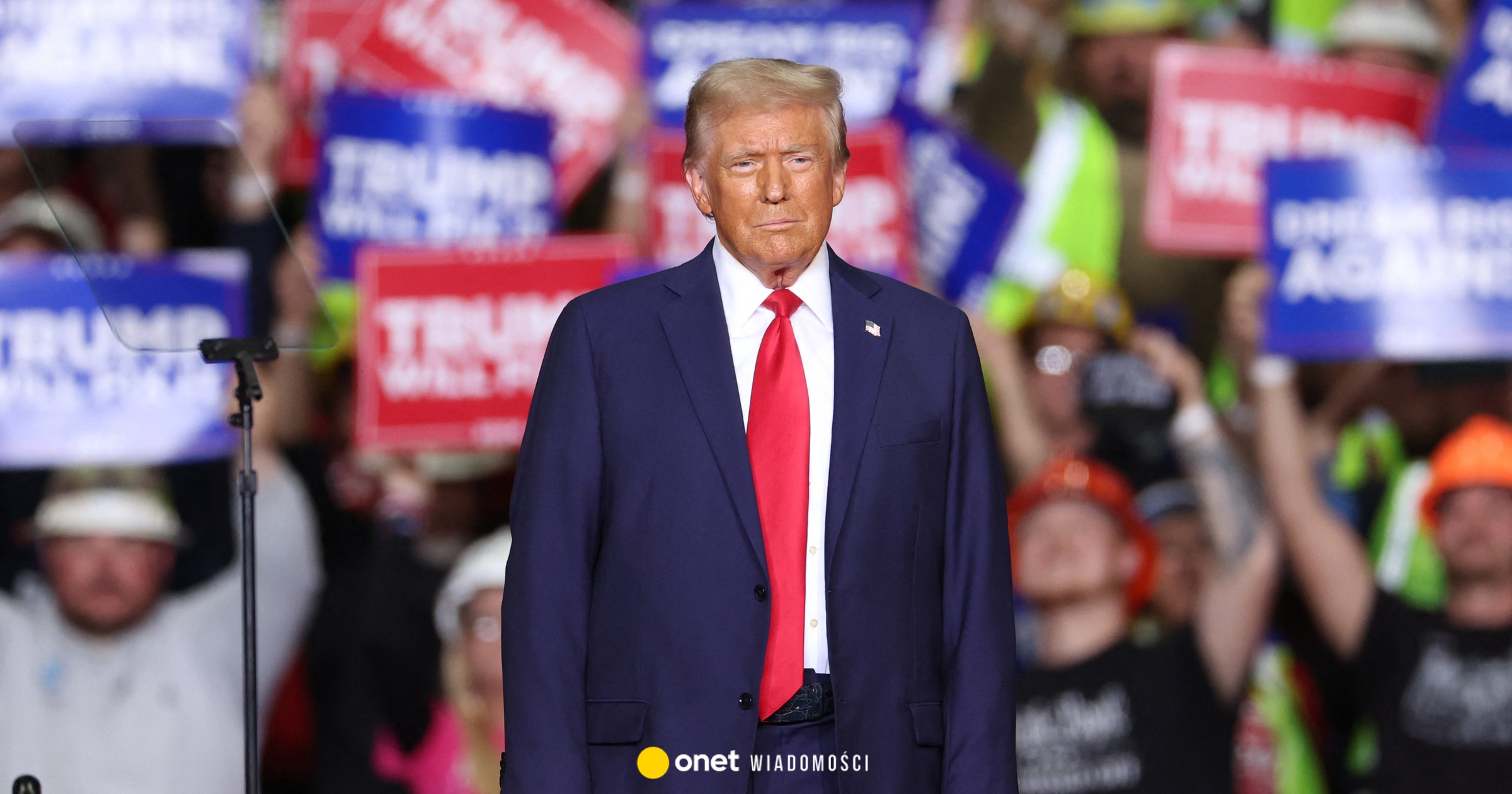
Two years after young voters swung right in 2024, helping Republicans regain full control of Washington, economic concerns are driving 18- to 34-year-olds back to the left ahead of the midterm elections, according to a new nationwide survey of more than 1,000 young Americans.
The poll, conducted by the nonpartisan organization Generation Lab and made available exclusively to POLITICO, is a clear warning signal for Republicans.
It shows that young Americans plan to vote for Democrats in November by 52 percent. up to 19 percent Broken down by party, the data shows that the Republican Party has a serious problem with its voter base: only 58 percent young Republican voters say they will vote for this party, and almost a third choose the option “neither one nor the other” or “I will not vote”. For comparison, 85 percent young Democrats intend to go to the polls to vote for their party.
Americans are concerned about the cost of living
As in 2024, deep dissatisfaction with the state of the economy is fueling anger towards the ruling party. Currently 81 percent young Americans rate the economic conditions in the US as bad or disastrous — including 68 percent Republicans. The younger the age group, the less optimism.
In many ways, the poll results appear to be a mirror image of the difficulties Democrats faced in the 2024 election cycle, when polls indicated that voters did not feel first-hand the Biden administration's positive economic picture.
“We tie it closely to what people see, feel and touch in the context of their personal economic situation,” Cyrus Beschloss, founder and CEO of Generation Lab, told POLITICO. “Saying affordability is 'bullshit' definitely doesn't help – as long as young people are aware of it,” he adds.
However, a caveat remains. — An incredibly low percentage of young people vote in elections Beschloss said. While this demographic group can tip the scales in Republicans' favor or against them, “their power is much more concentrated in social power” as cultural barometers and pacesetters “than in electoral power.”
This is how Republicans fight for voters' votes
Republicans are fully aware of voters' concerns about the cost of living and the economy, but they say they can persuade Americans with a message that focuses on cutting government spending, new tax cuts and blaming Democrats.
“After years of skyrocketing costs and economic uncertainty under Joe Biden and the Democrats, coupled with alienating, out-of-touch rhetoric from the left, young Americans are fed up with empty promises,” an RNC spokeswoman said [Krajowy Komitet Partii Republikańskiej] Kiersten Pels. “They want real results, and Republicans are speaking directly to them in a way that resonates,” she added.
A strong push from the Republican Party may yet pay dividends. “I really… I wouldn't underestimate how much the Republican world has focused on running a really tight operation, not only to get more young men into their camp, but to keep them there,” Beschloss said.
Democrats are also fighting for young voters
But Democrats have built their own infrastructure to compete, including networks of creators candidates can engage with as well as new resources for communication through YouTube, podcasts, social media, influencers and Substack.
Young voters and presidential elections. The popularity of politicians is key
But the perspective goes beyond the midterm elections: Generation Lab also asked young Americans about the 2028 presidential election — and at this early stage, name recognition seems to be crucial.
Democrats like Kamala Harris and House Rep. Alexandria Ocasio-Cortez (D-N.Y.) the most, 31 percent and 23 percent, respectively. Republicans choose Vice President J.D. Vance (25%), followed by HHS Secretary Robert F. Kennedy Jr. (13%). In seventh place ex aequo, with a result of 4%. all young Americans included: Jon Stewart, Mark Cuban and Tucker Carlson.