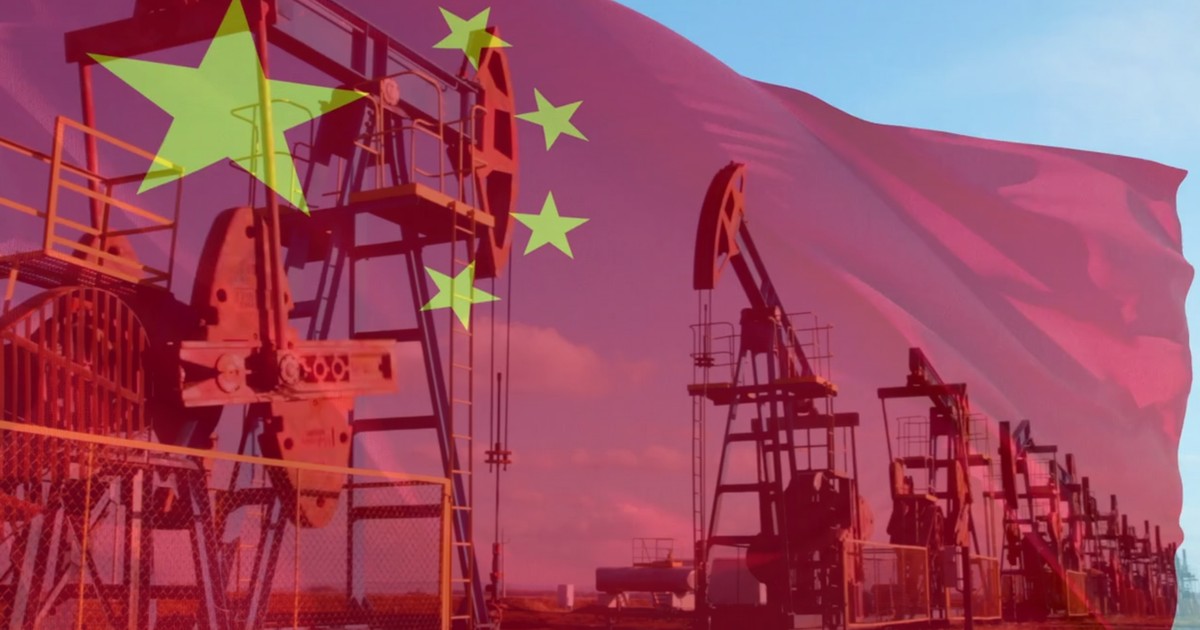
The Chinese Ministry of Commerce (MOFCOM) has officially banned the recognition and compliance with American sanctions imposed on five domestic refineries – PAP reports from the “Renmin Ribao” daily. In a statement issued on Saturday, China's Ministry of Commerce stressed that the US sanctions “unreasonably prohibit or restrict the normal economic, trade and related activities of Chinese enterprises with third countries” and “violate international law and the fundamental principles governing international relations.”
At the end of April, the US Treasury Department added five independent Chinese refineries to the sanctions list, including Hengli Petrochemical (Dalian) Refining and Shandong Shouguang Luqing Petrochemical. Washington accuses them of illegal trade in Iranian oil, which involves freezing their assets and banning transactions with American entities. The goal is to limit Tehran's sources of financing.
Read also: A new era of space weapons. Russia tests systems near the US
Business in a bind
Experts point out that Beijing's decision leads to a stalemate for international corporations. Complying with American restrictions means breaking the Chinese ban on respecting foreign sanctions and risking penalties in China. In turn, ignoring US sanctions may result in additional restrictions from Washington, including secondary sanctions.
The formal basis for Beijing's actions is the “anti-sanctions” regulation, in force since January 2021, which gives the Ministry of Commerce the right to prohibit companies from complying with foreign sanctions deemed unjustified.
Read also: New OPEC+ decision on oil production
Geopolitics in the background
The dispute goes beyond just oil trading. China's decision comes at a time of diplomatic impasse over Iran. Analysts also see it as a political signal before Donald Trump's meeting with Xi Jinping scheduled for mid-May.
The stakes are high. As PAP journalist Krzysztof Pawliszak emphasizes, according to Kpler data from 2025, the so-called “teapot” refineries are responsible for approximately 25 percent. processing capacity in China, and the Middle Kingdom receives over 80 percent oil exported by Iran.