Something more like James Bond. Operation Pimlico, MI6's most daring mission to rescue the Cold War's most important spy

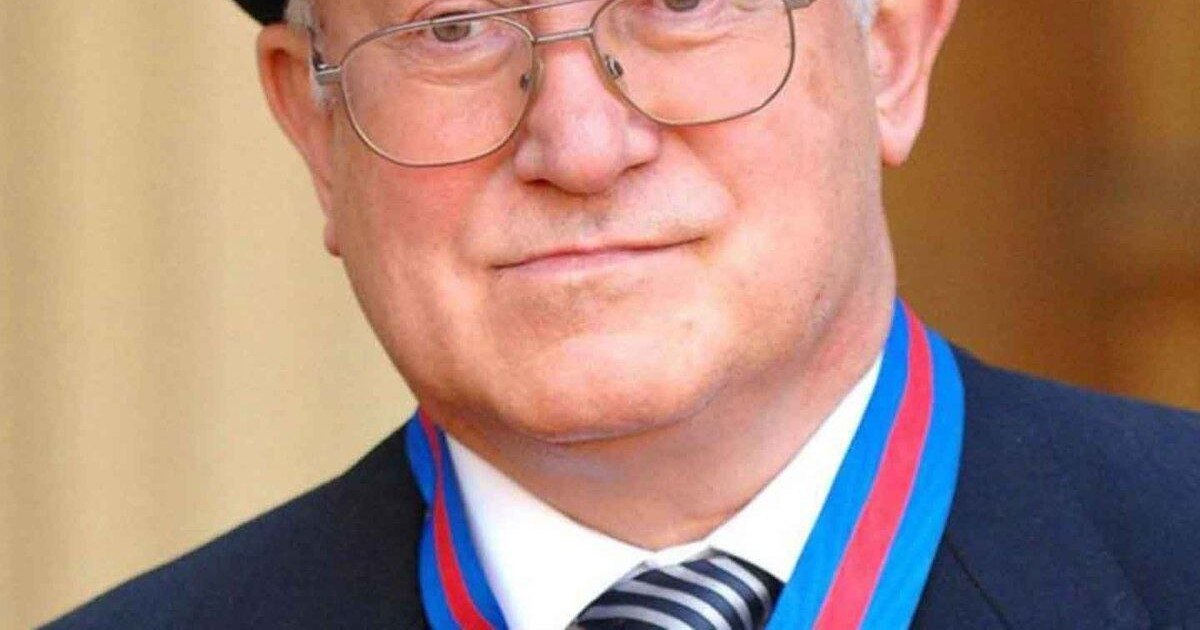
Oleg Gordievsky was one of the West's most valuable agents during the Cold War. When the KGB leadership began to suspect that he was, in fact, a double agent for the British services, his life was in immediate danger. The only option was a quick evacuation from the Soviet Union – a mission considered, at the time, almost impossible.
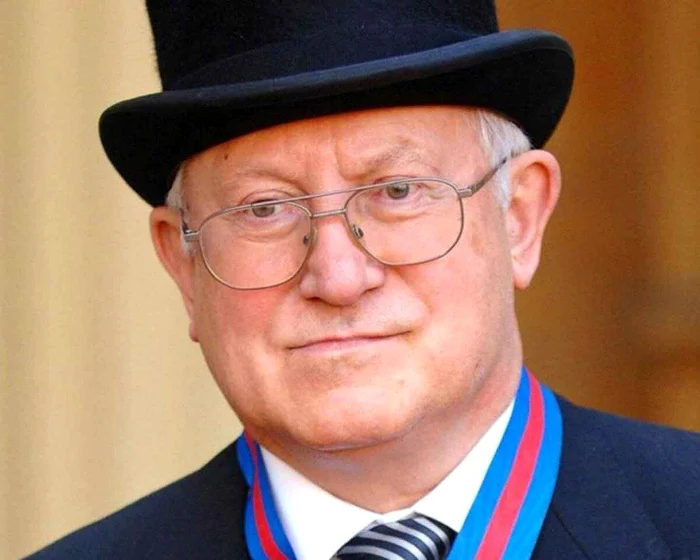
Oleg Gordievsky came from a family of KGB officers/FOTO:X
The moment the suspicions became real
In May 1985, the 46-year-old Gordievsky was urgently summoned to Moscow from his post in London under the pretext of a major KGB promotion. In reality, his superiors had learned through a CIA leak that he might be working for MI6 for years.
In a dacha near Moscow, during an interrogation disguised as an official conversation, he was offered alcohol mixed with truth serum. Although he was on the verge of giving up, Gordievski managed to control his reactions and deny any accusations. The KGB did not have enough evidence to arrest him, but placed him under strict surveillance.
For Gordievsky, the message was clear: if he made the slightest mistake, torture and execution awaited him.
Why was Gordievsky so important?
Born in 1938, during the Stalinist era, Gordievsky came from a family of KGB officers. He joined the Soviet secret service, but during a mission in Copenhagen, he was deeply influenced by life and freedoms in the West. There he made contact with MI6 and agreed to become a double agent.
He was later transferred to the Soviet embassy in London, where he provided highly sensitive information about the thinking of the Kremlin leadership. Among the most important revelations were the USSR's unfounded fears of an imminent nuclear attack by the West – information that landed directly on the desks of British Prime Minister Margaret Thatcher and US President Ronald Reagan.
These data helped to reduce the tensions between East and West and also facilitated the early contacts between Margaret Thatcher and Mikhail Gorbachev.
For MI6, protecting Gordievsky had become a strategic priority.
Activation of Operation “Pimlico”
MI6 had already prepared an emergency evacuation plan, known as the “Pimlico” code name, although few believed it would ever be implemented. The plan involved extracting an agent from inside the Soviet Union—something unprecedented.
On July 16, 1985, Gordievsky gave the agreed warning signal: he was seen in a predetermined place in Moscow at the exact time, carrying a plastic bag. The signal was confirmed by an MI6 officer through a seemingly mundane gesture – eating a chocolate bar.
Margaret Thatcher soon agreed. Operation Pimlico has begun.
Escape from Moscow
Under constant surveillance, Gordievski was able to evade capture using classic counter-espionage techniques – frequent route changes, going in and out of shops, getting on and off the subway. After more than an hour, he arrived at the Leningrad station and boarded a night train without being followed.
Final destination: an isolated spot on a forest road, about 60 kilometers from the Finnish border.
In parallel, an MI6 team of British diplomats and their families was heading to the same spot under the guise of a medical and shopping trip to Finland – a cover designed to fool KGB intercepts.
The decisive moment at the border
The meeting took place at the border, after the MI6 machines managed to escape the Soviet wire in a risky maneuver. Gordievsky was hidden in the trunk of a diplomatic car, protected by diplomatic immunity.
At the border point, the risk was maximum: guard dogs could detect human scent. The situation was saved by a trivial incident – the child of one of the diplomats needed a diaper change, and the dog retreated.
The cars crossed the Soviet border, then the Finnish one, without the authorities being alerted in time by Moscow.
After the escape
Gordievsky later arrived in Norway and then in London. It was the most spectacular operation to extract an agent from the Soviet Union during the Cold War.
After the collapse of the USSR, he was reunited with his family. He lived under a protected identity in Britain, wrote several books and rarely appeared in public. In 2007, he was decorated by Queen Elizabeth II for services to the United Kingdom.
Oleg Gordievski died on March 21, 2025, aged 86, at his home in Surrey.