2026-05-03 18:00
publication
2026-05-03 18:00
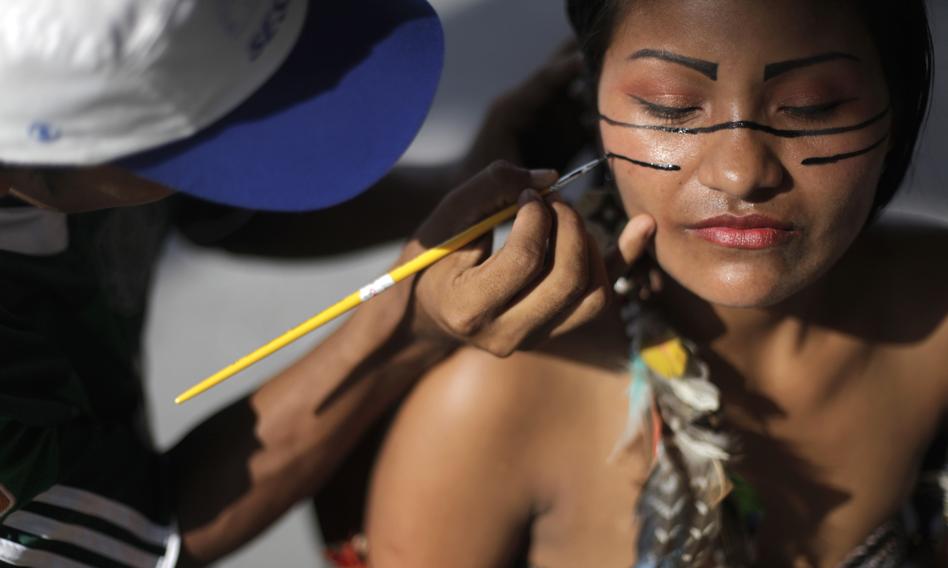
The number of people of Indian origin is growing in Brazil, according to the latest report of the National Foundation of Indigenous Peoples (Funai), subordinate to the Ministry of Indigenous Peoples. According to the document, this population is increasingly choosing to live in the city.
The authors of the study prepared in connection with the Indigenous People's Day, which falls on Sunday, indicated that one of the grounds for claiming that the population of Indian peoples has been growing in recent years are statistics from the state authorities.
They confirm data collected in the 2022 census by the Brazilian Institute of Geography and Statistics (IBGE), according to which the population of indigenous tribes has doubled over the last decade.
The Brazilian census at that time showed that between 2010 and 2022, the number of people declaring their affiliation with the indigenous population of this country increased from nearly 897,000. to over 1.69 million people.
During this period, as noted by the foundation's authorities, the percentage of indigenous Brazilian inhabitants in the country's total population increased from 0.47 percent. to 0.83 percent
The Funai report, also based on interviews with the indigenous population, shows that The increase in the Indian population in Brazil is not only the result of an increase in the number of births, but also the increase in the awareness of many citizens who began to admit their indigenous roots.
The Funai authorities emphasized that the growing Indian population was also supported by activities undertaken by this institution in 2022-2025 to appreciate people of Indian origin among Brazilians.
“This includes raising awareness of the fight against prejudice, demarcating borders, territorial protection, environmental management and guaranteeing rights,” wrote the authors of the report, also noting the growing number of linguistic and ethnic groups in Brazil.
Among the largest groups of indigenous people in Brazil are the Tikuna and Kokama, which number approximately 74,000. and 64 thousand members. The language of the former is considered the most common language of the indigenous people of Brazil. It is used by 52,000 people. people.
According to Funai's management, one of the elements of strengthening awareness among the indigenous people of Brazil is the rapidly expanding digital catalog of cultural collections. It expanded in 2024-2025 from 13,000. up to 210 thousand exhibits. 600 of them were recovered and brought to Brazil from France.
According to the report's authors, more than half of Brazil's indigenous population, almost 54 percent, now lives in urban areas.
“This means that there has been a reversal of the geographical distribution profile of the indigenous people of Brazil, over 63.7% of whose population in 2010 lived in the countryside,” noted the foundation's authorities.
Marcin Zatyka (PAP)
zat/bar/