Polish shelter infrastructure, the Civil Protection Act, civil security, development investments, public-private cooperation, the Finnish model – these concepts rarely appeared in the debate on the real estate market a few years ago. Today they are back in full force, and their importance goes far beyond the construction industry.
After decades of marginalization the topic of shelters has become one of the pillars of thinking about the state's resiliencewhich was clearly heard during the conference “Shelters in construction as the foundation of national security”, which took place on April 16, 2026 in Warsaw.
The shelter act and the civil protection system – what has changed
The Act on Civil Protection and Civil Defense adopted in 2024 and in force from December 2025 is the first such comprehensive attempt to sort out the issue of protective infrastructure in Poland since the Cold War. As Zbigniew Muszyński, director of the Government Center for Security, emphasizes, the very fact of its adoption shows changing the state's approach to civil security.
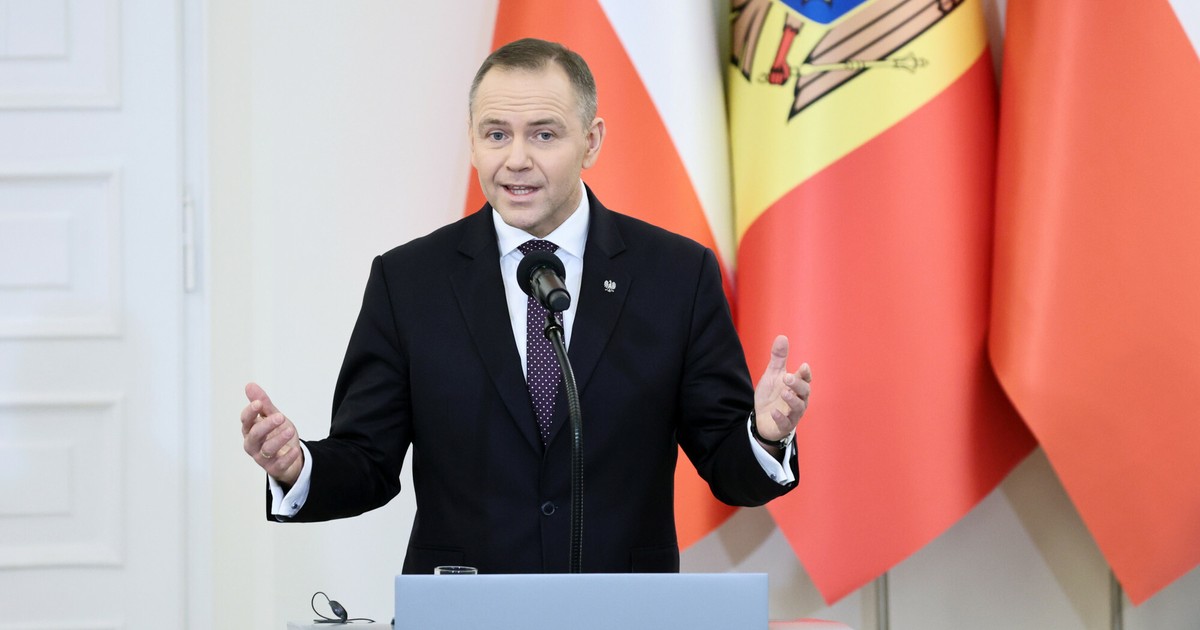
Zbigniew Muszyński, director of the Government Center for Security, during the conference of the Ministry of Interior and Administration in July 2025.
|
Wojciech Olkusnik/East News / East News
Read also: Changes in housing in 2026. Buyers will benefit, but will pay a higher price
— We are in a completely different place than two years ago — he told us during the conference. He added that after the first year of operation, the regulations are reviewed to adapt them to the implementation realities.
The new regulations cover both construction of new shelters and modernization of existing facilities. In practice, this means, among others: obligations for public administration, local governments and property owners, as well new requirements for developers.
Inventory of shelters
From the perspective of the real estate market, this is a fundamental change. According to previous analyzes by Business Insider Polska, Just a few years ago, most of the existing shelters in Poland did not meet any modern technical standards, and some of them were inaccessible to residents at all..
Today it continues widely extensive inventory of infrastructure – conducted, among others, by the State Fire Service and construction supervision. It was also created an application enabling citizens to locate the nearest places of refuge.
However, the problem remains scale of challenges. — Building a modern protective infrastructure is a long-term and capital-intensive process, emphasizes Muszyński. The system development program has been developed over several years, and its effects will be visible gradually.
Public-private cooperation and the real estate market
One of the key elements of the new system is to be public-private cooperation. Without it – as representatives of administration and business unanimously emphasize – it will be impossible to implement investments on a larger scale.
Leszek Stankiewicz, president of YIT in Poland, points out that although the current achievements of PPP in Poland are moderate, we are only at the beginning in the area of protective infrastructure. — Without the involvement of private capital, some projects might not have been built at all – he points out.
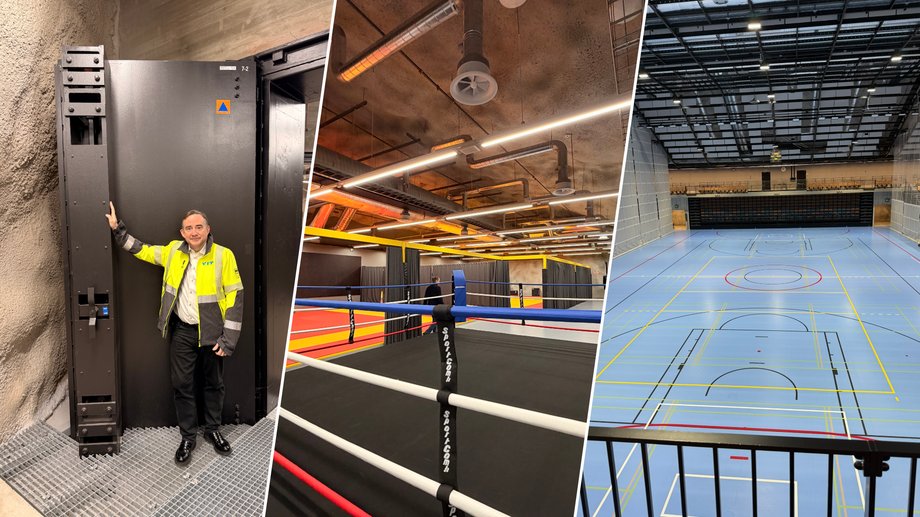
Leszek Stankiewicz, president of YIT in Poland, visited shelters in Finland
See also: Russian drones over Poland are a great test. Five exams for the economy [ANALIZA]
There is great interest from local governments, but the market is still taking shape. They appear new entities declaring their readiness to implement shelter investmentswhich – as experts emphasize – requires caution. They are crucial in this area experience and know-howwhich directly translates into user safety.
The first larger projects may start around 2027.although some of the investments are already at the preparation stage. The biggest challenges are financing, technical standards and building public trust in the PPP model.
The Finnish model and Ukraine's experience – what Poland can learn
One of the most important topics of the conference was reference to foreign experiences – especially Finland and Ukraine.
The Finnish model is considered exemplary. There are approximately 50.5 thousand in the country. shelters that can accommodate 4.8 million people – almost the entire urban population. The system was developed over decades, and the key turned out to be the approach to shelters as an integral part of construction.
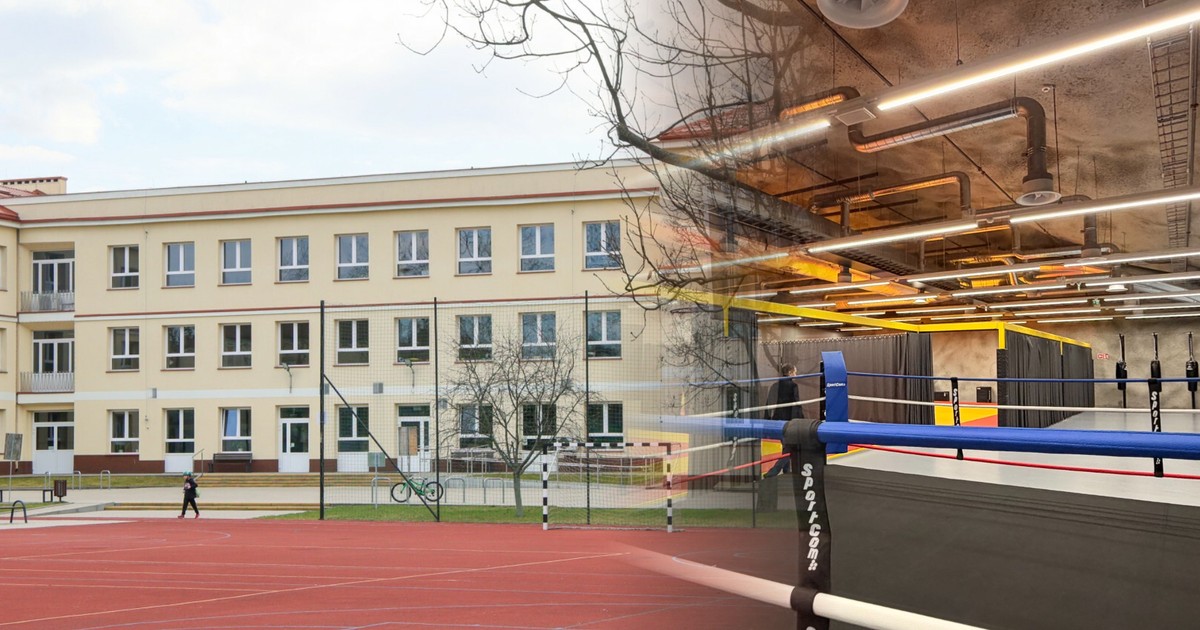
As Erkko Kiviluoma from YIT explains, a shelter “is not a cost, but a space that works for itself”. In Finland These facilities serve as parking lots, warehouses and gyms on a daily basis, generating income and increasing the value of the property.
The additional cost of building an S1 class shelter is usually only a few percent. the total investment cost, and in the building's life cycle – exceeding 100 years – it pays off many times.
It is also crucial operational preparation. About 80 percent Finnish shelters can be activated within 24 hours. “This is the result of simple solutions and well-practiced procedures,” emphasizes Kiviluoma.
In turn, Ukraine's experience shows how infrastructure works in conditions of real conflict. Architect Marco Casagrande points out that Shelters cannot be solely a technical solution.
— It is a space intended to alleviate trauma and support community – says. It is particularly important to take into account the needs of children and vulnerable people, because they determine the resilience of the entire society.
His observations also show that city dwellers do not want to stay in shelters permanently — it is therefore crucial to create infrastructure that allows normal functioning and at the same time ensures safety in crisis situations.
Poland at the beginning of the road
The conclusions are consistent: Poland is just building a system that has been developed in countries such as Finland for nearly 100 years. However, this does not mean it is necessary to copy solutions one to one.
Experts indicate that this will be crucial staging of investments, focusing on large cities and using the dual-use model — i.e. objects with dual purpose.
From a real estate market perspective, this means a new design standard. Shelters can become as obvious an element of a building as fire protection installations or parking spaces.
The biggest challenge remains time and financing. But – as our interlocutors emphasize – it is equally important mental change.
After decades of peace, safety is once again becoming a real parameter of real estate value. And everything indicates that this time it will not be a temporary trend, but a permanent change in thinking about the city and its functions.