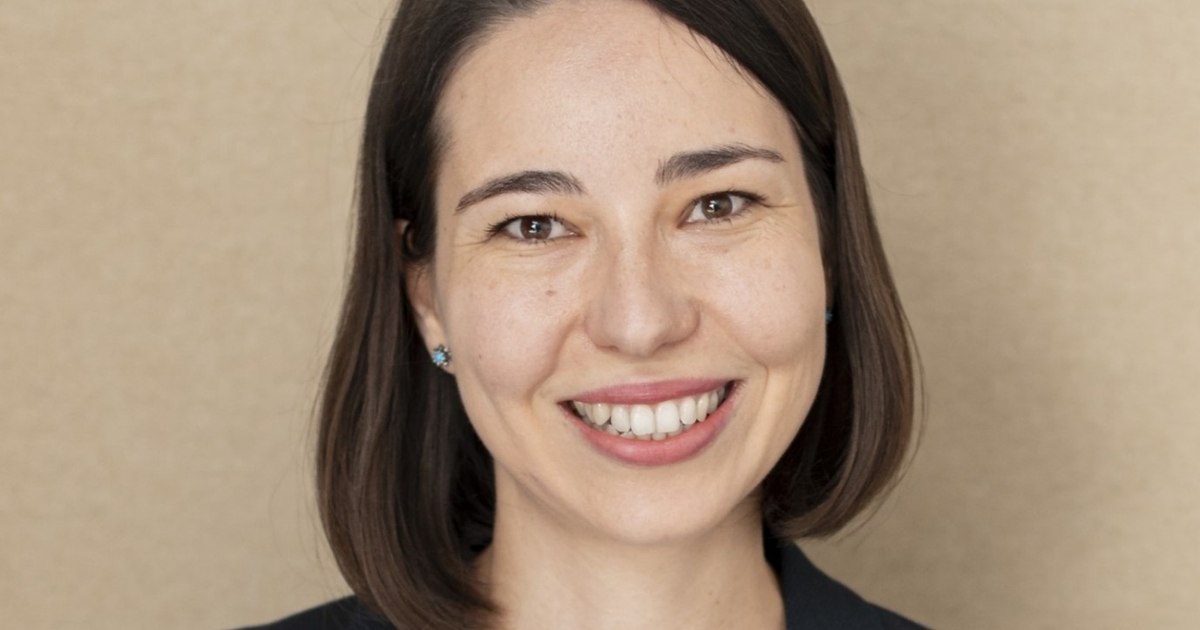
Ralf Fuecks is managing director of the think tank Zentrum Liberale Moderne in Berlin. Previously, he served as the president of the Foundation for over 20 years. Heinrich Boll. On Thursday, he returned from a trip to Ukraine, his sixth since the beginning of the Russian invasion.
Ukraine is exhausted. The winter was exceptionally difficult. Cemeteries with the graves of the fallen are expanding. Prices are rising. There is a shortage of soldiers and manpower.
Still, the country is more resilient today than it was at the beginning of Russia's major offensive in February 2022. The vast majority want the war to end, but not surrender. Almost no one believes in a quick ceasefire — and certainly not in a peace treaty with Russia.
Where should there be room for compromise? Ukrainians have made too many sacrifices in the name of independence and freedom to give up their sovereignty. Giving Russia the Donbas, its most militarily fortified area, and turning hundreds of thousands more people into refugees or subjects of Moscow is unacceptable. For Vladimir Putin, the annexation of further territories would only be an indirect goal. He never abandoned his obsession with subordinating Ukraine again to Russian domination.
Instead of counting on a quick peace negotiation, Europeans should do everything to put Ukraine in a strong position.
This means primarily: weapons, ammunition, air defense systems and drones. As much as possible and as quickly as possible. The outcome of the war will be determined by the ratio of military forces. This also applies to negotiations. Putin will only step down when he faces the risk of defeat. To this end, economic pressure on Russia should also be increased.
Sanctions put pressure on the Russian economy. The only sector of growth is the military-industrial complex. Growing budget deficits, inflation, a collapse in private investment and growing delays in modernization are exhausting resources. Russia is weakening economically.
Technology war
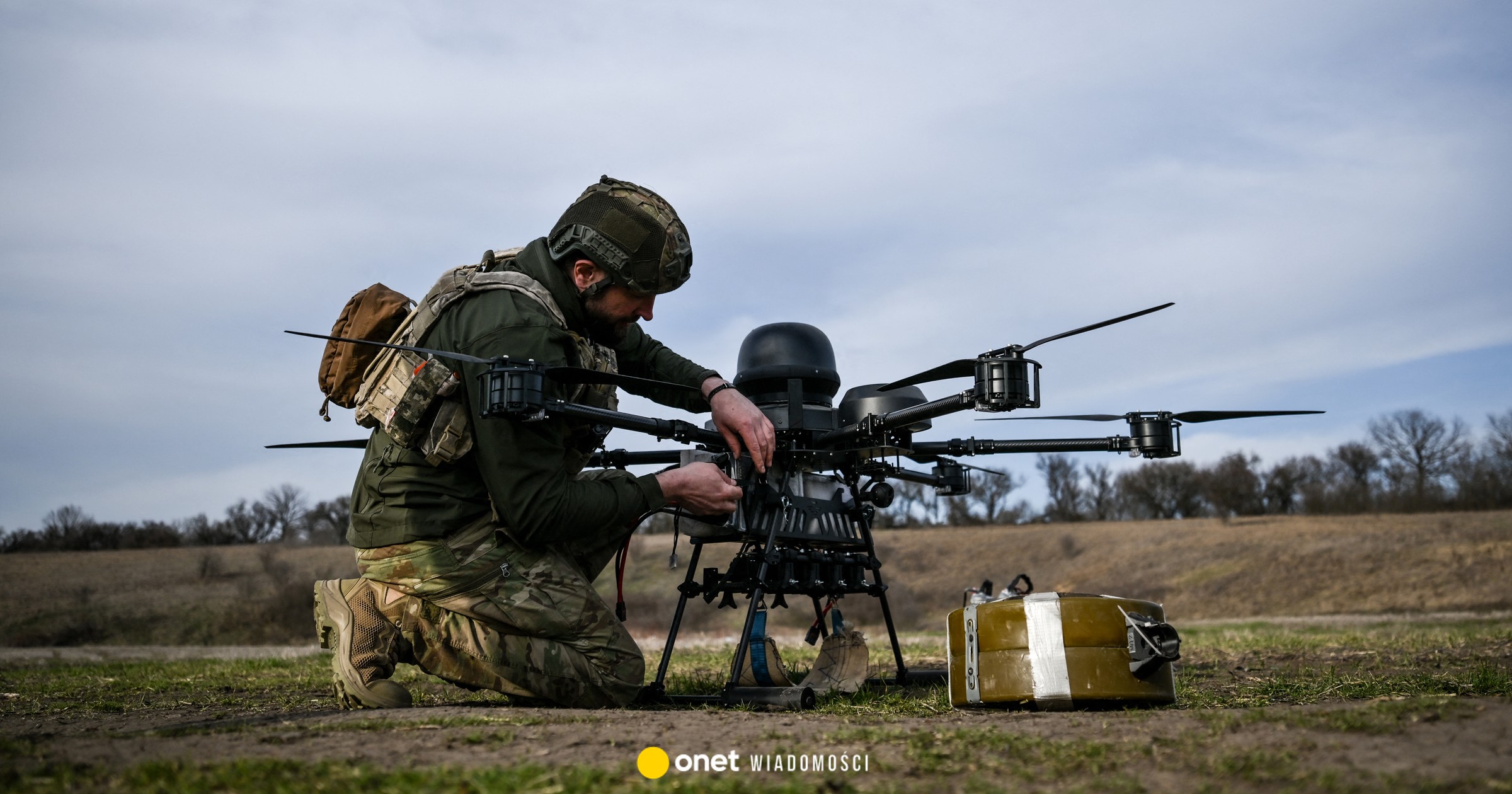
Russia attacks, Ukraine defends. Nothing has changed in this regard, even if occasional counterattacks are successful. However, Moscow also fails to achieve strategic breakthroughs, despite huge ones losses amounting to PLN 1,000. soldiers per day and more. Reconnaissance drones and satellite imagery make any troop concentration a target for drone and artillery attacks. Everything that moves within the 30 km radius of the kill zone is attacked.
The lack of soldiers, ammunition and artillery in Ukraine must be compensated with innovations. On the front lines, soldiers are being replaced by drones and combat robots. Technology becomes the deciding factor in the outcome of the war. In this respect, Ukraine often has an advantage. The Russians follow her. Their strength lies in large quantities. To stay ahead in this race, Kiev needs cooperation with Western arms companies. This must be supported by state funding.
War in the rear
When the front is largely dead, the situation behind the lines determines the outcome of the war. The Kremlin is destroying Ukrainian energy supplies, bombards infrastructure and wants to break society with the terror of drones and missiles. Meanwhile, Ukraine is turning the tables and increasingly successfully attacking arms plants, weapons depots, refineries and port facilities deep inside Russia.
In April, up to one third of oil exports were paralyzed. It is an effective weapon – both economically and psychologically. So far, the Russian population has hardly felt the war, especially since the recruited soldiers mainly come from distant provinces or prison camps. Now war returns to Russia.
Anyone who wants to put Putin on the defensive must provide Ukraine with long-range precision weapons.
The article continues below the video
Where are the Tauruses?
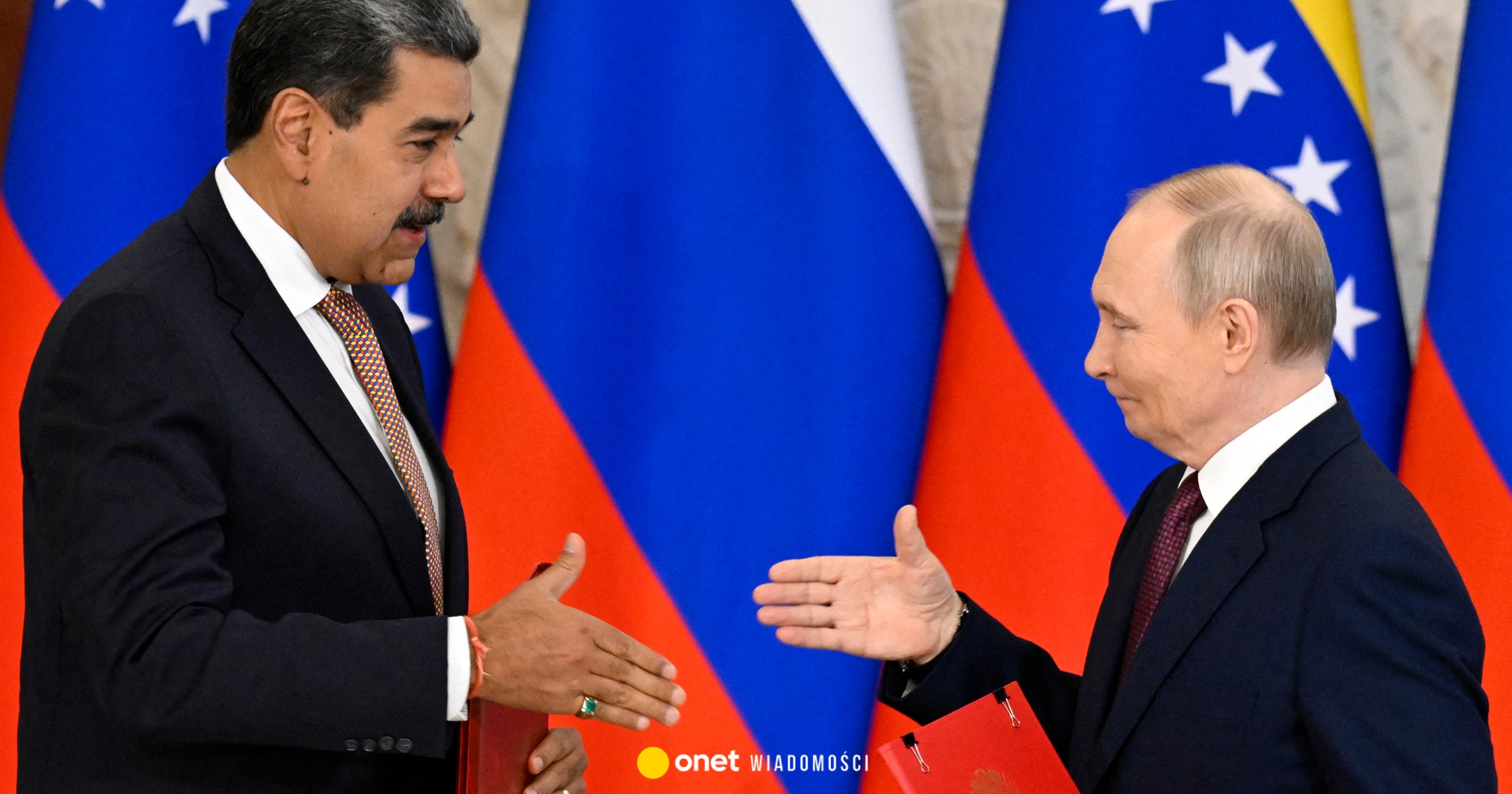
Putin will try to divide Ukraine. The czar in the Kremlin is not only using US President Donald Trump as a diplomatic weapon. He is betting on forces in the EU that prefer to return to “business as usual” with Russia today rather than tomorrow. Viktor Orban's defeat in Hungary was a blow to Putin. But there are enough other right- and left-wing populists and bourgeois opportunists on whom he can count.
At the same time, the Kremlin will try to divide Ukraine politically and create an opposition modeled on Georgia, which will want to base itself on Russia, not Europe. Anyone who wants to prevent this must maintain Ukraine's military and financial capabilities and, at the same time, support it integration with the EU and a common European security system. The longer the war lasts and the more EU accession becomes a pipe dream, the easier Putin's task becomes.
War refugees
The war is leading to the depopulation of Ukraine. Okay. 7 million people sought refuge abroad, of which 1.3 million in Germany. These are mainly women, children and the elderly, but also 350,000. men aged 18 to 63. Not everyone is subject to compulsory military service, but almost everyone is missing as labor force.
Okay. half of these men receive citizen benefits. There are liberal voices in Ukraine that call for leniency towards emigrants. But the gap between those who defend their country and those who turn against it is widening. Avoiding military service is not only a moral issue. It's a crime.
The federal government can do a lot to ensure that more Ukrainians stay in the country or return. An important contribution is the health rehabilitation of veterans, their professional integration and help for the families of the fallen. Anyone who puts their life at risk should be sure that they and their loved ones are taken care of. The key issue is ensuring energy supplies.
Finally, the federal government should launch return programs for war refugees that will facilitate their reintegration. A free and strong Ukraine is the pillar of a free, strong Europe.
I’m Ashley Davis as an editor, I’m committed to upholding the highest standards of integrity and accuracy in every piece we publish. My work is driven by curiosity, a passion for truth, and a belief that journalism plays a crucial role in shaping public discourse. I strive to tell stories that not only inform but also inspire action and conversation.