Washington is threatening sanctions against companies that pay Iran tolls for transiting the Strait of Hormuz

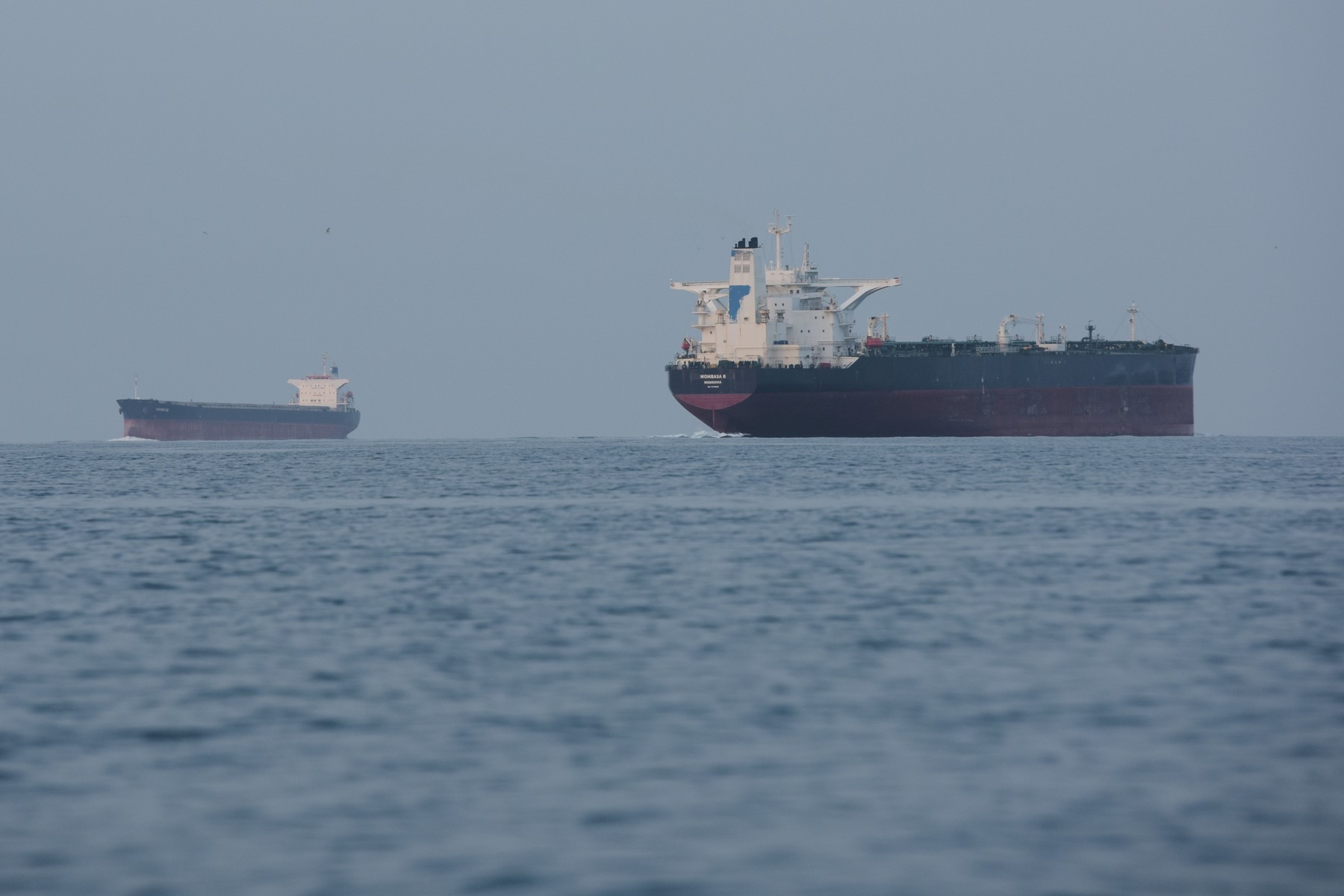
Any shipping company that pays fees to Iran to transit the Strait of Hormuz risks punitive sanctions, the US Treasury Department warned on Friday, according to Reuters.
Tehran has proposed imposing taxes or tariffs on ships transiting the Strait of Hormuz as part of proposals to end the war with Israel and the United States.
The warning issued by the Office of Foreign Assets Control (OFAC), the institution within the US Treasury responsible for sanctions, shows that US authorities have become aware of Iran's demands for payments to guarantee safe passage through the strait.
OFAC told companies this week that paying these fees could put them at risk of penalties. The institution stated on Friday that disguised payments in the form of charitable donations, to organizations such as the Iranian Red Crescent Society, or indirect transfers are also not allowed.
The US Treasury did not provide Reuters with details on which states or companies have already made such indirect payments. However, there were reports that at least $2 million was paid for a ship to cross the Strait of Hormuz.
The warning came as Iran submitted its latest proposal for negotiations with the US through Pakistani mediators, a move that could increase the chances of breaking the deadlock in efforts to end the war with Iran.
OFAC stated that Tehran's requests may include multiple forms of payment, including traditional currencies, digital assets, offsets, informal exchanges, or other in-kind payments, including donations presented as charitable acts to the Iranian Red Crescent Society, the Bonyad Mostazafan Foundation, or Iranian embassy accounts.
“OFAC is issuing this alert to warn US and foreign individuals and companies of the risks of sanctions associated with making such payments to the Iranian regime or requesting safe passage guarantees,” the agency said. “These risks exist regardless of the payment method.”
OFAC also announced new sanctions against three foreign exchange houses in Iran that it says facilitate billions of dollars in transactions annually, as well as their associated shell companies.
The institution imposed sanctions related to Iran and the oil tanker NEW FUSION, under the flag of Panama, which carries oil products. “We will relentlessly target the regime's ability to generate, transfer and repatriate funds and pursue all those who facilitate Tehran's attempts to circumvent sanctions,” US Treasury Secretary Scott Bessent said.
Analysts have long said that China, the biggest buyer of Iranian oil, will continue to buy Iranian crude until the US imposes sanctions on Chinese banks. However, such a measure could affect relations between Washington and Beijing.