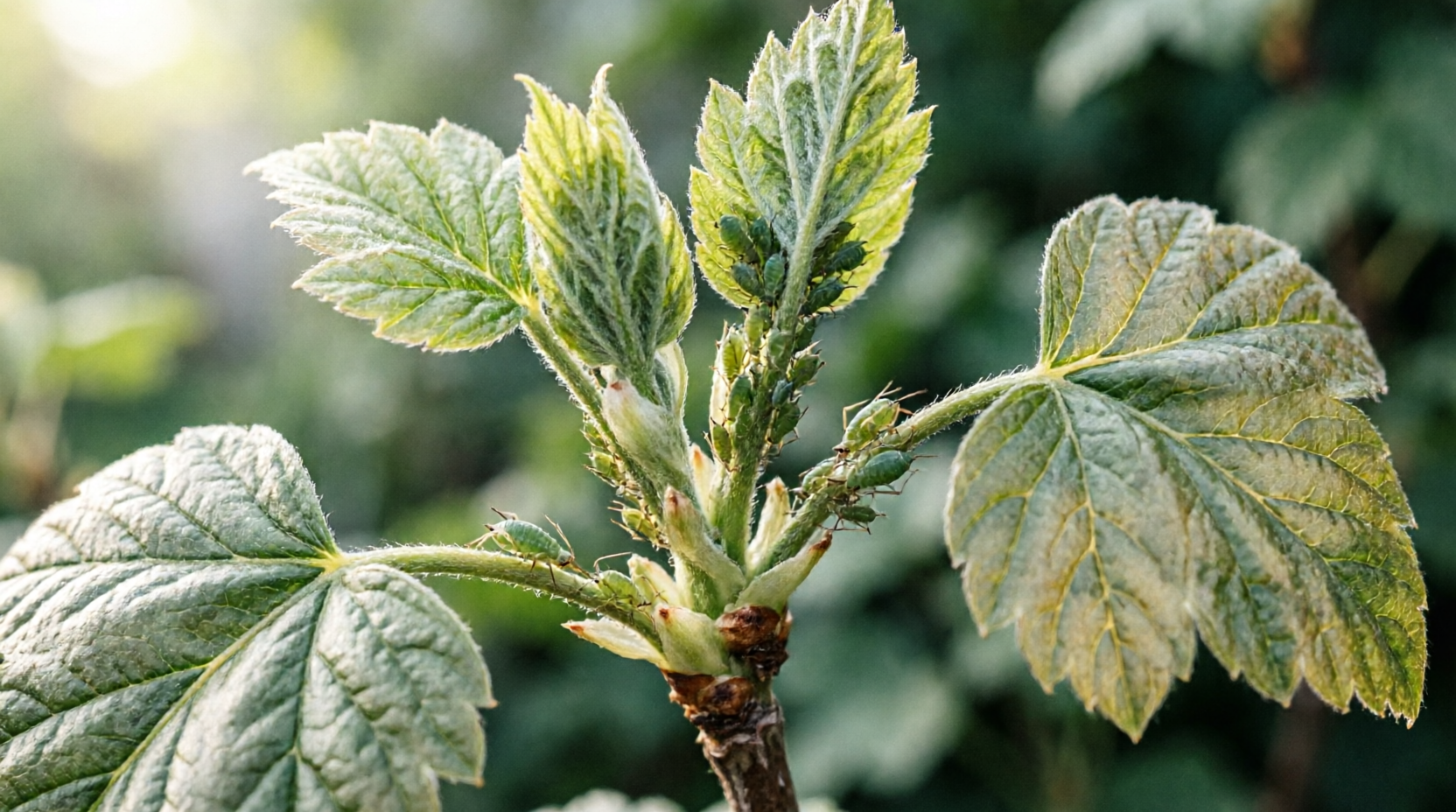
Because of just two mistakes, you risk never removing aphids from your currants – which means the bush will slowly but surely die.
According to the author of the Zen channel “Garden Cribs”, the first mistake is to ignore the root cause of the appearance of aphids, and it lies in ants. It is these insects that guard the aphids, protect them from predators and transfer them to new shoots, receiving sweet honeydew as a reward. If you don't get rid of ants, you won't get rid of aphids.
The second mistake is to spray the currants from above. Gall aphids are located on the underside of the leaf, and not on its surface. The leaves curl into a tube, and the aphids receive a reliable shelter. Therefore, you will have to tear off all the twisted tops, throw them away or burn them. The remaining leaves need to be processed from the bottom up, directing the stream under the leaves.
3-day currant processing scheme with guaranteed results
The author proposes the following processing scheme:
- 1 day. Trim off any curled shoot tips. Throw it in a trash bag and put it away. Do not compost them under any circumstances! Install adhesive belts on the trunks of currant bushes to repel ants.
- Day 2. Treat the currants with a solution of tar soap (40 g of soap rubbed into 5 liters of warm water) – it envelops the aphids and prevents them from breathing. Spray the leaves from bottom to top. Carry out the treatment in the evening so that the solution does not evaporate under the sun's rays.
- Day 3. Inspect the bushes and, if you notice aphids, repeat the treatment again.
You can store a solution of tar soap for several days – it will not lose its properties during this time.
Repeat spraying from mid-May to July every 3 weeks, and keep the adhesive ant belts on until August.