The small state with a population the size of a European city that is getting rich from the war in Iran

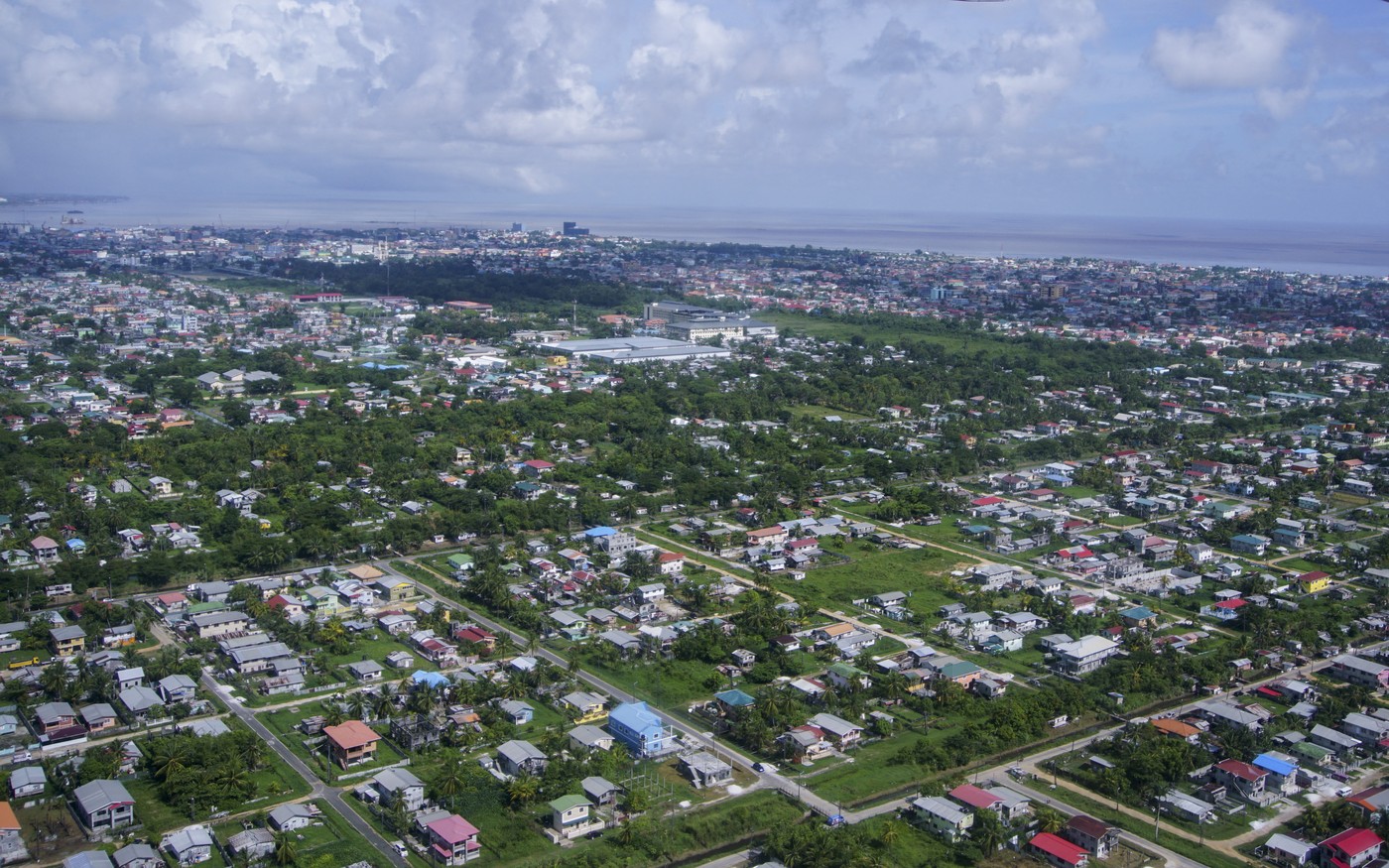
It is not at risk from missiles and drones, it has nothing to do with the Strait of Hormuz or the Middle East.
And yet in Guyana, a country of less than a million people located at the northeastern tip of South America, the war with Iran translates into money. A lot of money.
Since 2019, when production from offshore fields began, its economy has grown fivefold – the fastest growing in the world. And now, with oil prices over $120 a barrel, profits are rising.
For Guyana, the unrest in the Strait of Hormuz is not a geopolitical crisis. They are an opportunity, notes the Greek press.
The billions that flow
Revenues are flowing at a rate rarely seen in an economy of this size. Estimates suggest they reach $623 million per week. The huge Stabroek field alone, operated by a consortium led by ExxonMobil, produces nearly 1,000,000 barrels per day.
If prices remain at these levels, total revenues for 2026 could reach $33 billion. In addition, there is also a “war bonus”: Europe, desperate for energy, pays a premium of up to 10 dollars per barrel.
Geopolitics that opened roads
The situation is also favorable for the country from a political point of view. The re-election of President Irfaan Ali calms the markets, while the arrest of Nicolás Maduro weakens Venezuela's claims to the territories of Guyana.
This allows drilling to resume in areas previously considered “off-limits”.
At the same time, the energy giants are accelerating. New floating production systems (FPSOs) are emerging ahead of schedule, aiming to rapidly increase production.
Wealth can also become a trap
The other side of success is darker. The economy is becoming more and more dependent on oil. Already in 2025, fossil fuel revenues cover about half of the state budget, while oil production accounts for three quarters of GDP.
Food and housing prices have increased by 75% since 2021. The oil sector is absorbing the workforce. And the avalanche of money creates risks of waste and cronyism. The specter of the “resource curse” returns.
The big bet
The government is investing in infrastructure – roads, bridges, energy projects – and trying to limit inflation. But the pressure is mounting.
As income increases, so does the temptation to overspend. The question is not whether Guyana will get rich. But if he manages to avoid paying the price. Because in the history of commodities, oil doesn't just bring wealth. It also brings crises.