Rare intervention by Japan in the foreign exchange market. The move made to support the national currency

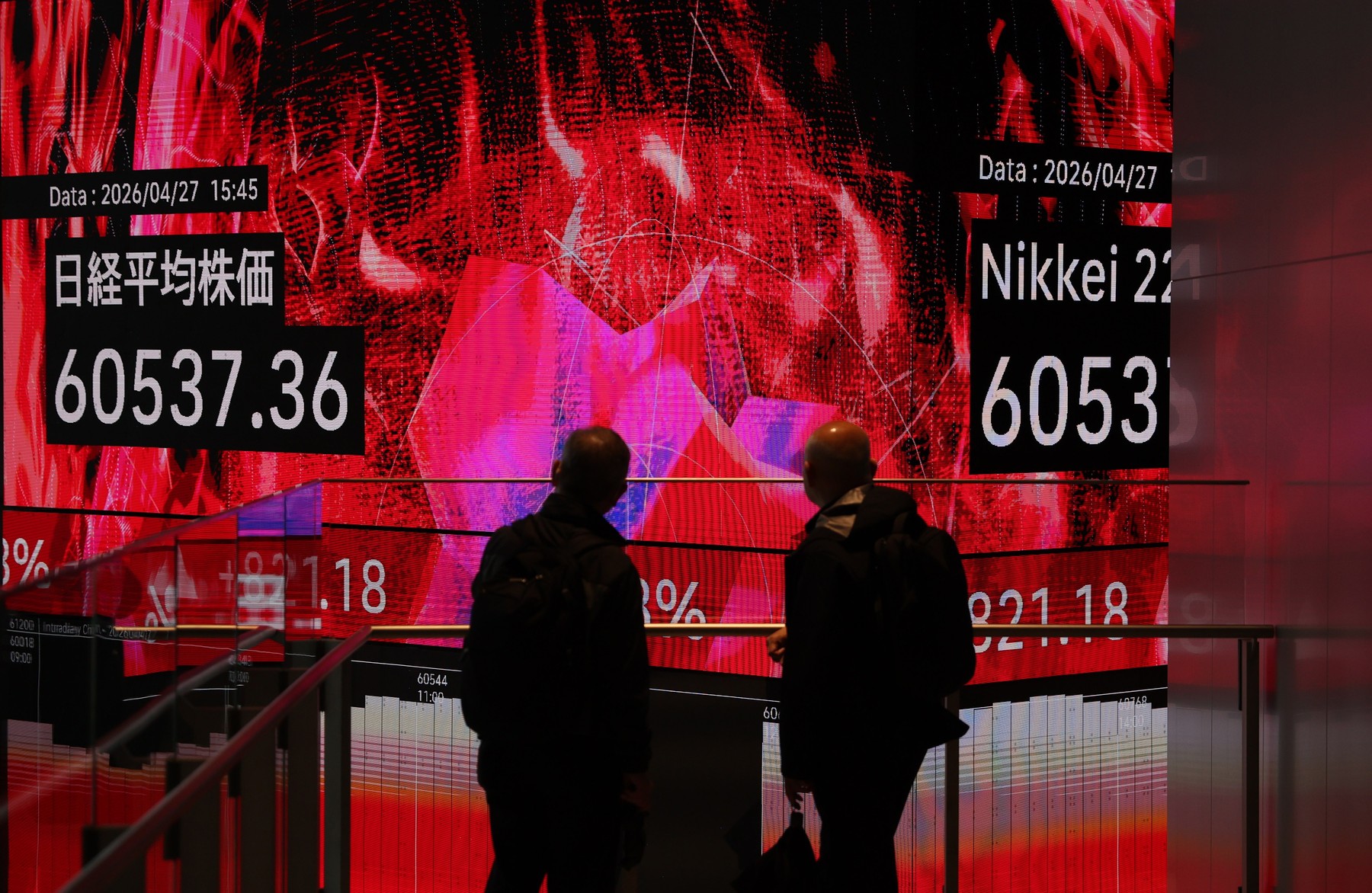
Japan intervened on Thursday to support the yen against the U.S. dollar, its first official currency market action in nearly two years, sending the Japanese currency up as much as 3 percent, two sources familiar with the situation told Reuters.
The sources, one from the government and the other from the market, spoke on condition of anonymity because they were not approved to speak to the media.
The dollar initially fell to 155.5 yen after the move, its lowest level since March 2. It was last quoted at 156.355 yen, down 2.5 percent, with the greenback on track for its biggest one-day drop since December 2022.
Earlier in the session, the greenback hit a high of ¥160.725, its strongest level since July 2024.
Before Thursday's intervention, investors had amassed the largest short position in the yen in nearly two years, selling the currency against the euro, Swiss franc, pound sterling and Australian dollar on the view that neither interest rate hikes nor the threat of intervention would help the Japanese currency.
The bet was also the biggest since Japan last intervened in currency markets in 2024, testing policymakers' resolve to rein in yen speculation.
Japan's Finance Minister Satsuki Katayama said on Thursday that the time to take “decisive action” in the market is nearing, the strongest signal yet of potential currency intervention to support the falling yen.
“After depreciating earlier today to 160 yen to the dollar, reaching levels that would have been extremely uncomfortable for the Finance Ministry, the case for active market intervention – and not just another verbal intervention – has strengthened significantly,” said Chris Scicluna, head of research at Daiwa Securities in London.
“Indeed, given the developments in the energy market, both the Japanese government and the BoJ (BoJ) would have been concerned about the amplification of the inflationary impact and the negative effects on corporate profits and real household incomes caused by the events in the Middle East. Now that the Ministry of Finance has drawn a firmer line on the yen, it is the BoJ's turn to strengthen the yen's stability by raising of the interest rate in June,” Scicluna added.
The Nikkei publication previously reported, citing a government source, that officials had intervened by buying the currency, which on Thursday morning was at its weakest level against the dollar since July 2024.
Atsushi Mimura, a top foreign exchange diplomat, also said earlier that the time to take decisive action was approaching, adding that “extremely speculative” moves in the foreign exchange market were on the rise.
Japan's finance ministry has threatened to intervene in the currency and oil markets and on Thursday reiterated that action could be “on all fronts”.
“This is our last evacuation warning to the markets,” Mimura told reporters. When asked if he was hinting at the possibility of an imminent intervention on the yen, Mimura replied: “I think the market players know what I mean.”
The Foreign Exchange Division of Japan's Finance Ministry could not be reached for immediate comment.
In line with the drop in the dollar, US crude oil futures also fell to $105.37 a barrel, after previously hitting a three-week high.
Elias Haddad, global director of market strategy at Brown Brothers Harriman, based in London, believes that despite Japan's actions in the currency market, the yen could depreciate again.
“We still have a fairly cautious normalization cycle from the Bank of Japan, and with the Federal Reserve, the threshold for further easing is higher,” Haddad said.
“Also, the upward pressure on crude oil prices remains intact, and this is a negative shock for Japan in terms of trade… So until this 'fog of war' clears and we start to see energy prices fall, it will likely be some time before our initial outlook for yen appreciation materializes,” the expert added.
Looking ahead to 2026, Brown Brothers expects the dollar to fall to 140 yen against the Japanese currency. That forecast remains, Haddad said.